
[ Conventional military ]
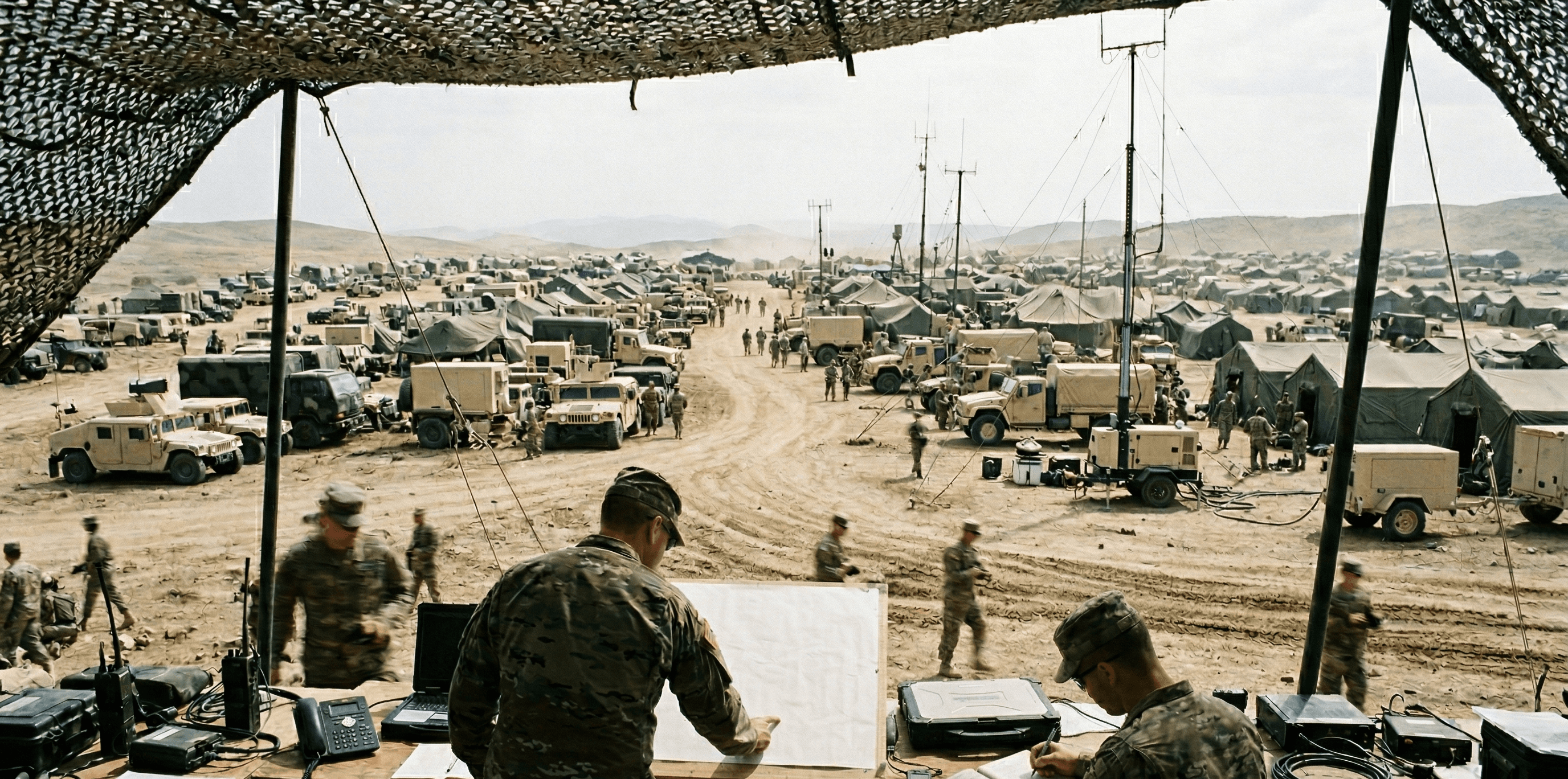
A formation cannot keep tempo if the network has to be rebuilt every time it moves. When connectivity breaks at the command post, the hit lands across command, sustainment, and the common picture.
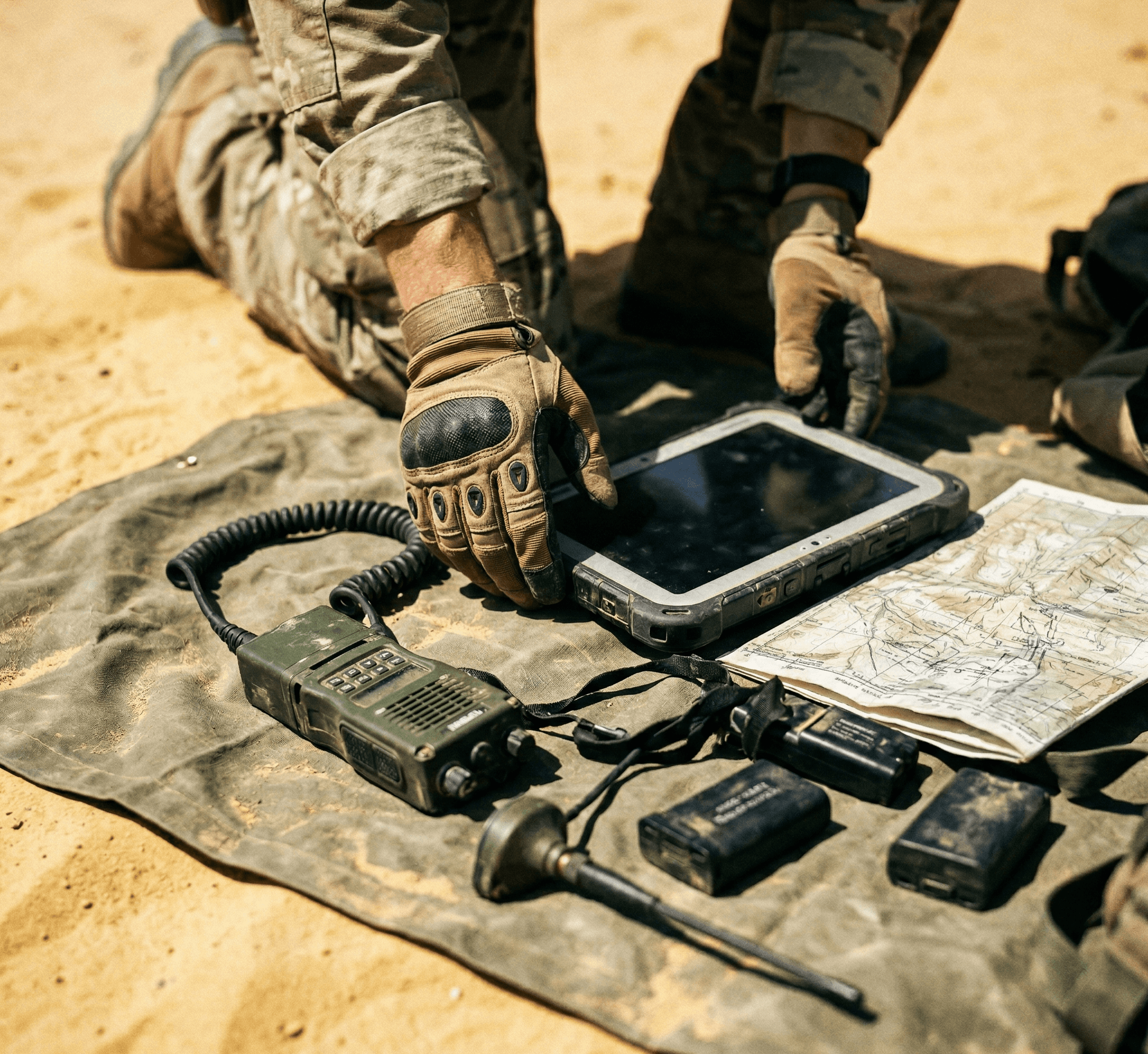
Hoplynk helps formations preserve continuity across command posts, vehicles, and support nodes, so commanders and signal teams spend less time rebuilding paths and more time moving the mission.
Command-post displacement breaks the network plan
Brigade and division staffs shift from fixed infrastructure to expedient SATCOM, radio, and vehicle-borne links every time they jump.
Mixed transport stacks create brittle handoffs
Tactical radios, PoIP, cellular, Wi-Fi, and range backhaul do not fail the same way or at the same time.
One break affects more than C2
Position feeds, fires workflows, sustainment systems, and routine staff collaboration ride the same operational fabric.
Signal capacity is uneven across the footprint
Not every battery, convoy, maintenance node, or temporary range site has people available to babysit transport changes.
Hoplynk turns large, shifting military footprints into one adaptive communications fabric.
Learn how Hoplynk's solutions can work for your team.
Autonomous Network Management
Hoplynk's Hydra AI maintains routing, failover, and intended state across dispersed military nodes so local teams are not hand-configuring every transition.
Multi-Transport Resilience
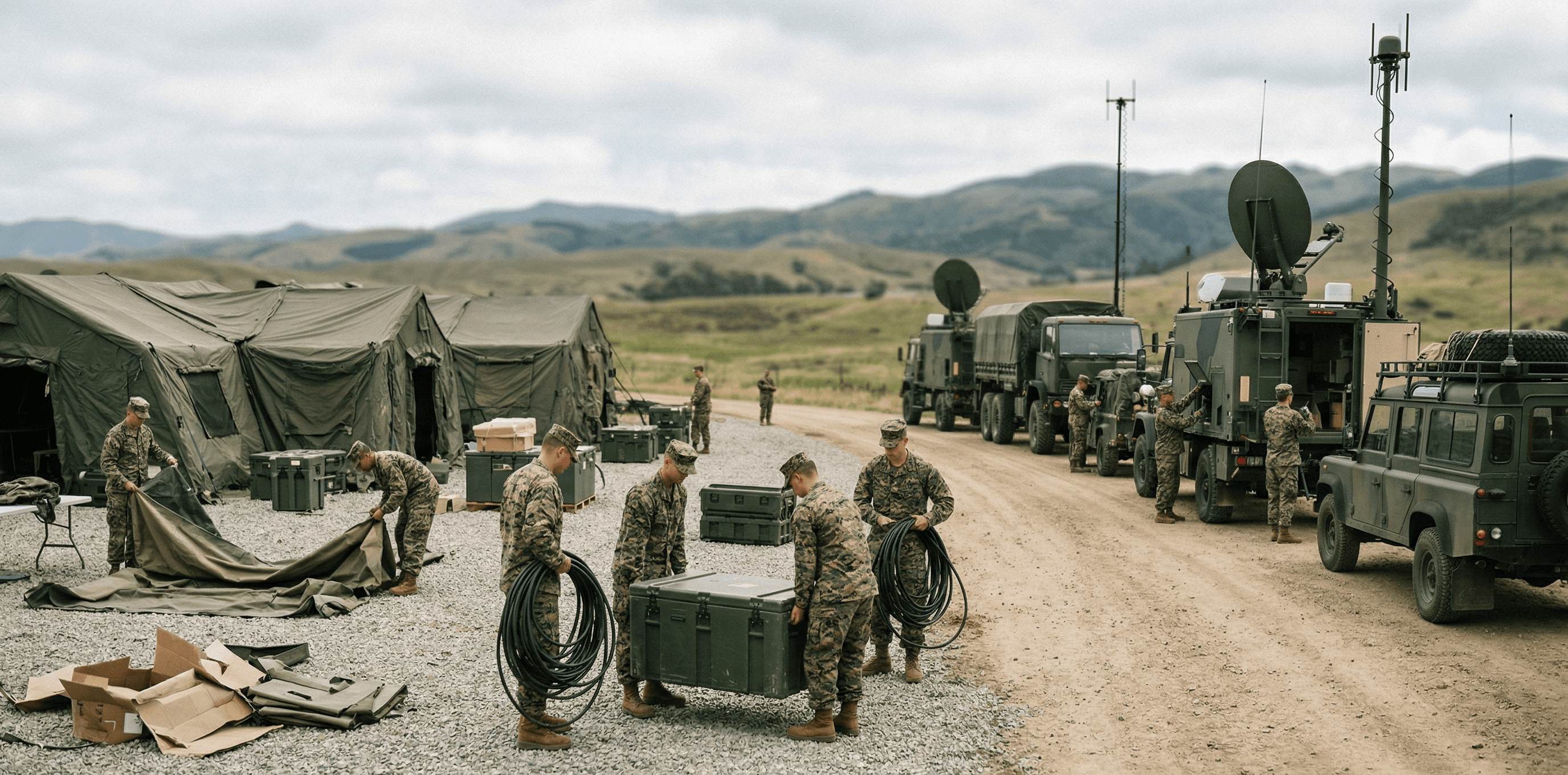
Hoplynk's integrated systems keep one working network across radio, SATCOM, cellular, Wi-Fi, and wired backhaul instead of forcing operators to manage each path separately.
Remote Policy Control
Hoplynk's Argus dashboard pushes routing policy, software updates, and access controls across command posts, vehicles, and rear sites without waiting on local signal touch time.
Echelon Traffic Governance
Critical command, position, and sustainment traffic can be prioritized when temporary infrastructure, shared range networks, or narrow backhaul start to saturate.
Predictive Reliability
Hydra continuously measures link quality and moves traffic before a degraded path turns into dropped sessions, frozen COPs, or stalled reports.
Solutions For Your Team
See how Hoplynk can help solve your unique communications challenges.
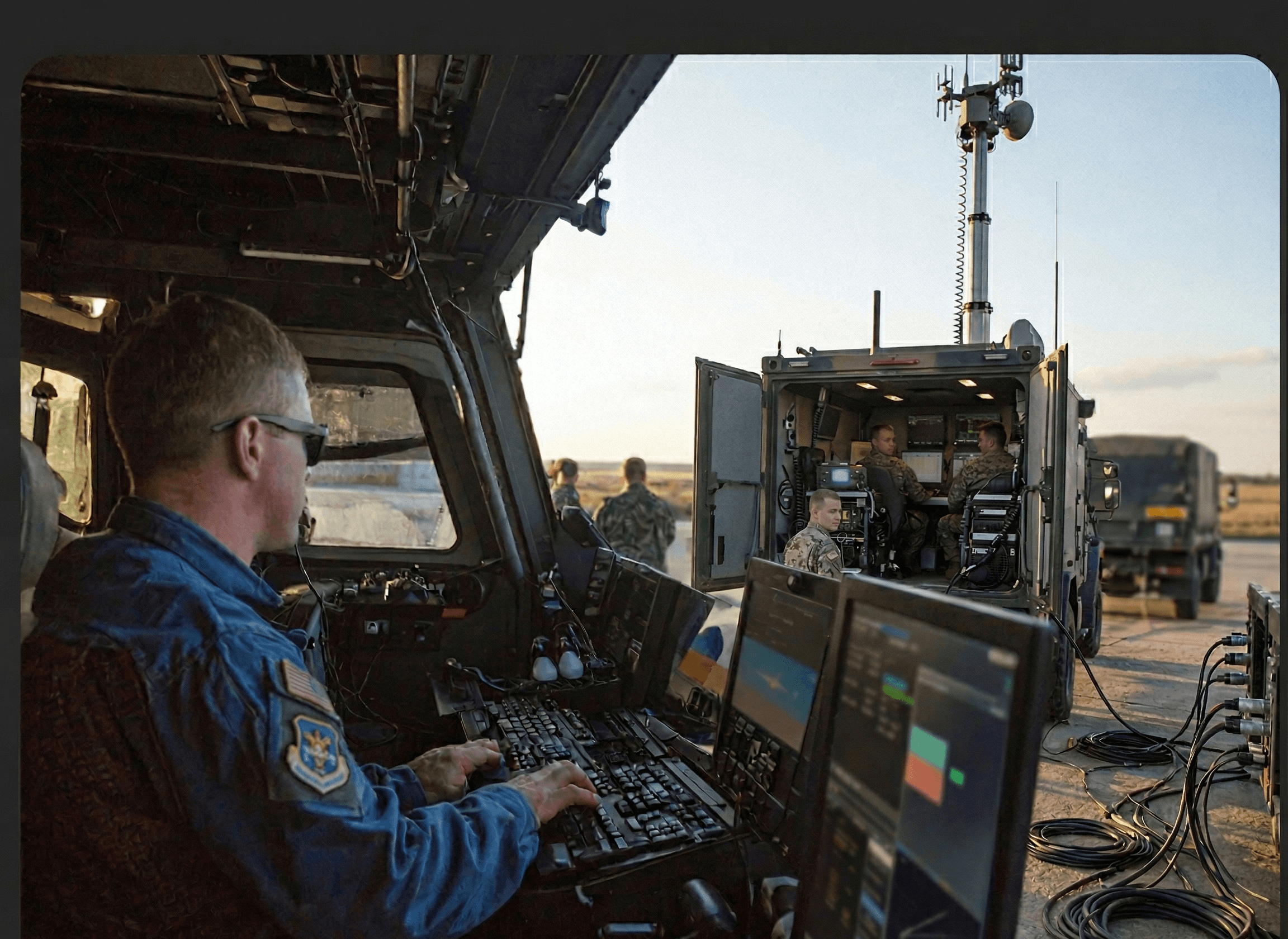
Mobile Command Posts
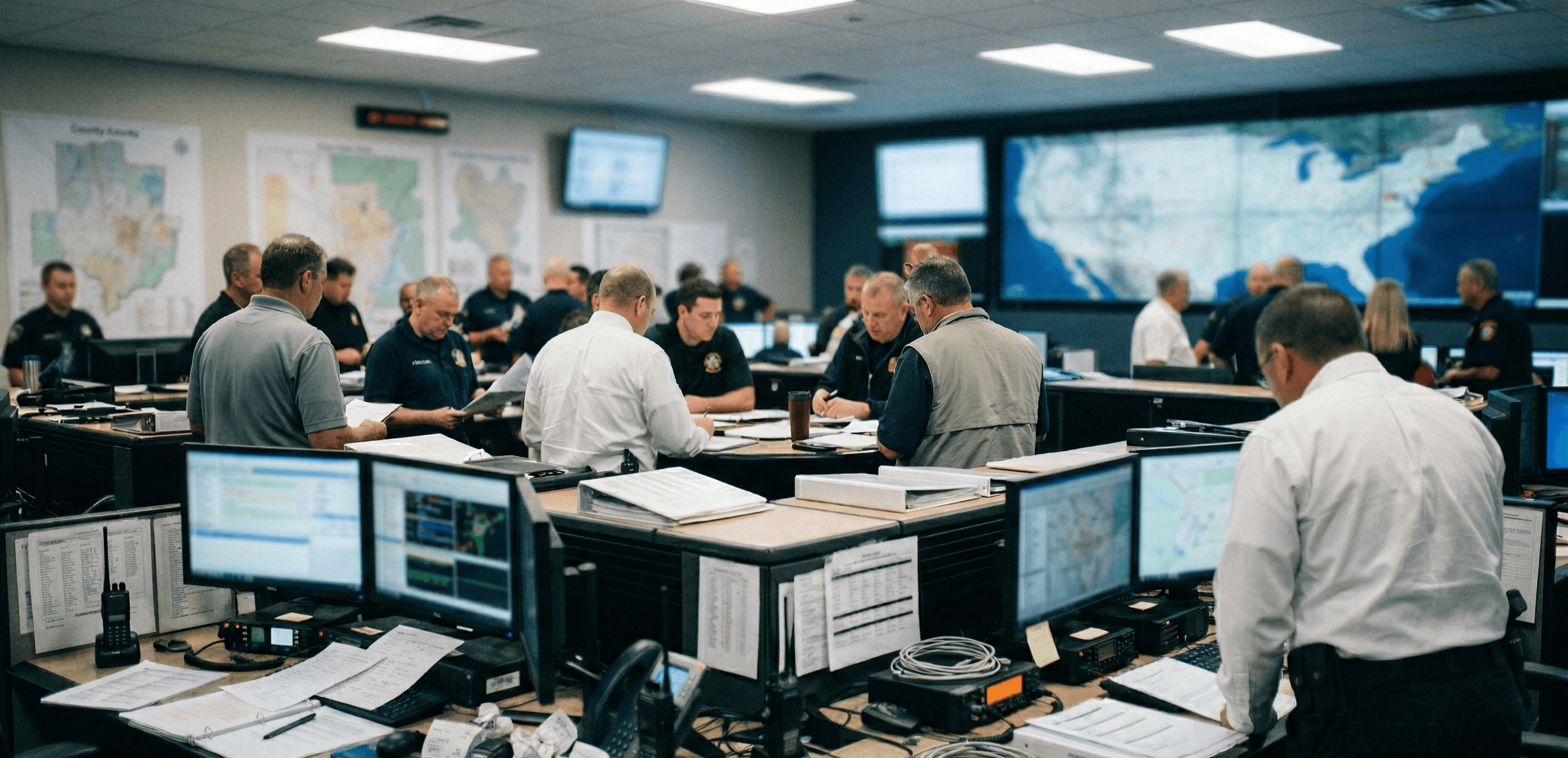
As TACs and TOCs displace from hardstand to vehicles to quick-halt sites, the challenge is preserving the common picture and staff workflows through each transport change.
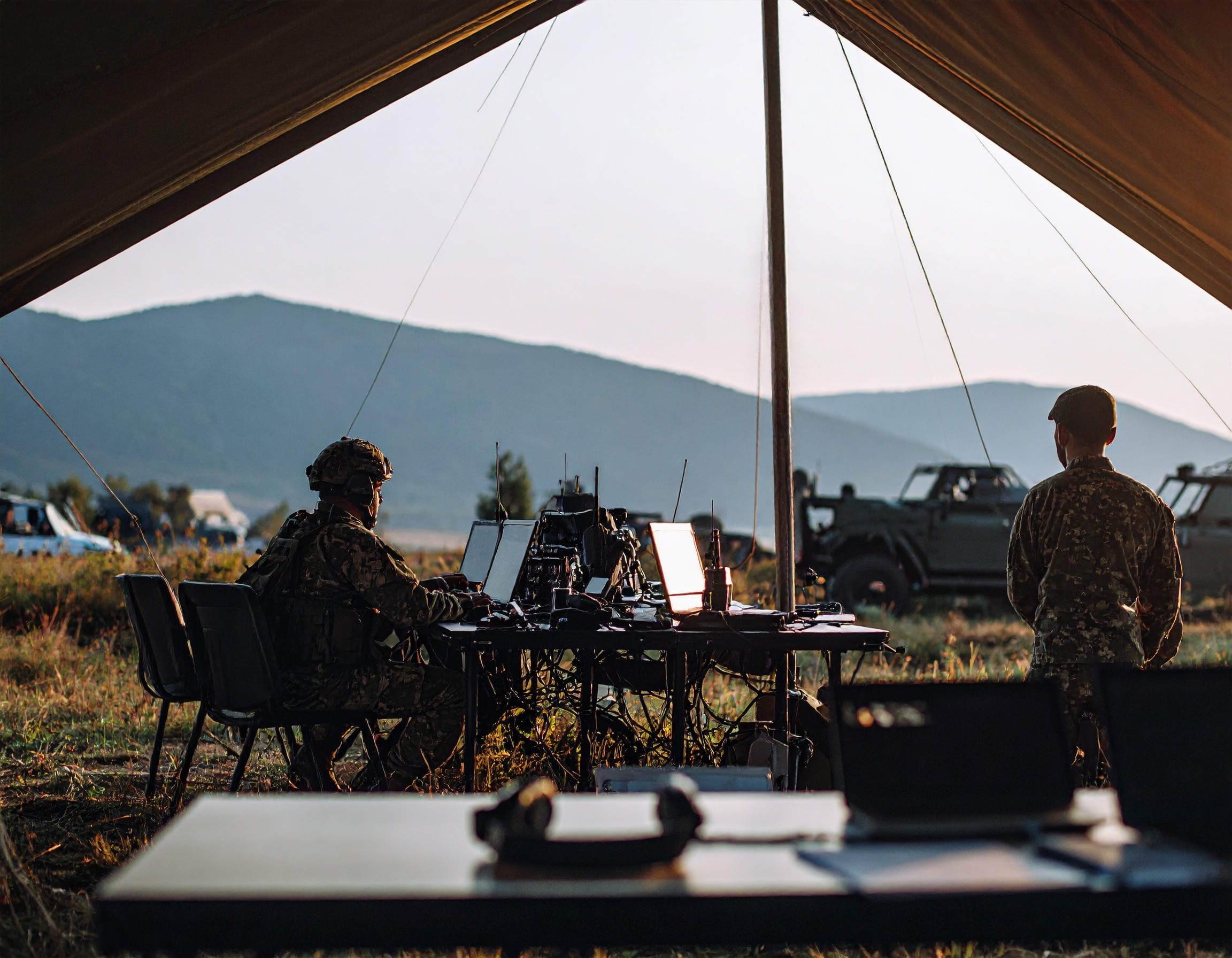
Brigade Radio Gateways
Brigade, battalion, and battery networks often mix radios, PoIP, and upper-tier backhaul that were never designed to behave as one system. Hoplynk stabilizes those edges so reports and coordination survive the translation layer.
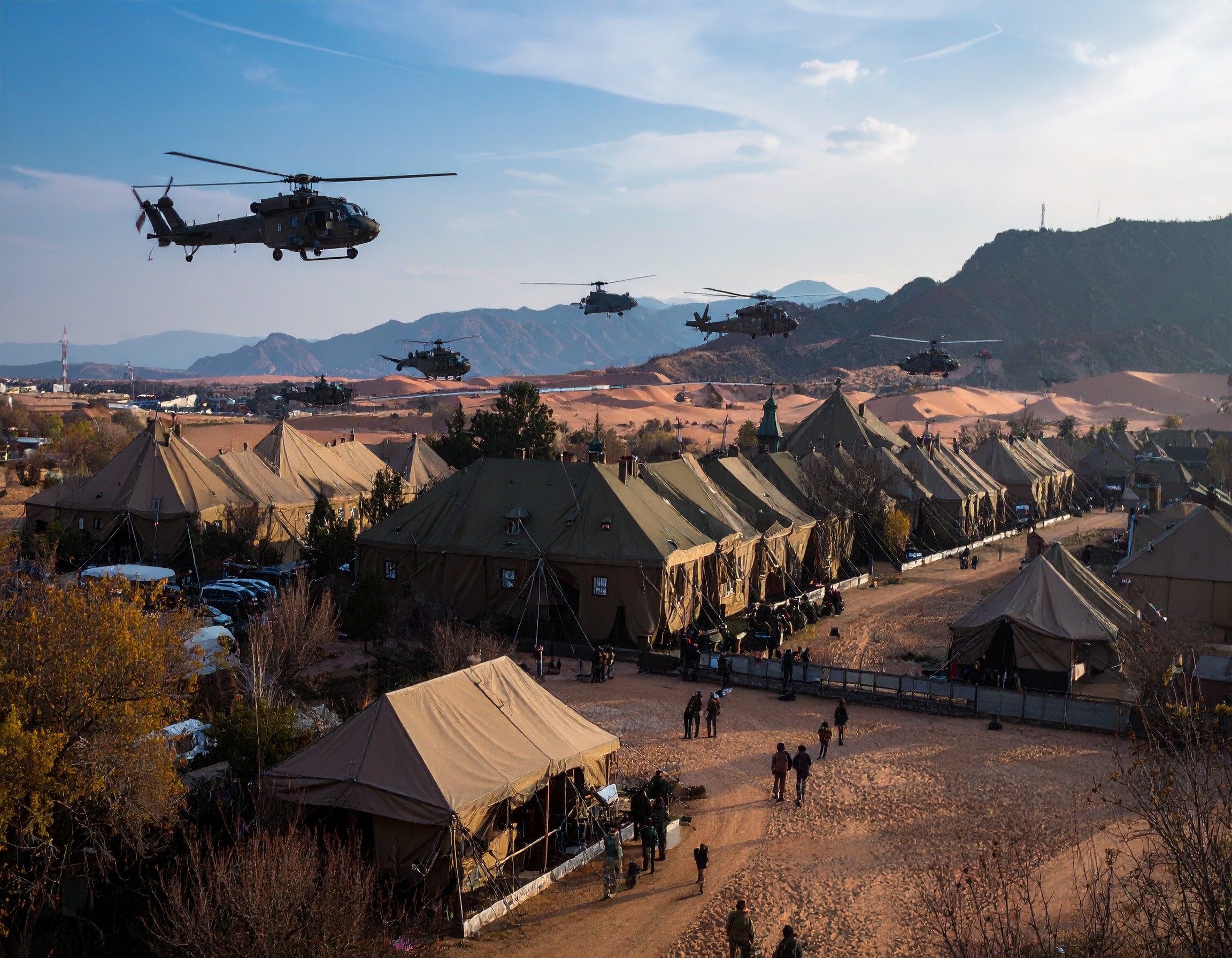
Range and Exercise Networks
Large exercises combine temporary infrastructure, borrowed bandwidth, aviation links, and moving ground units. One overloaded segment can ripple into command disruption across the event.
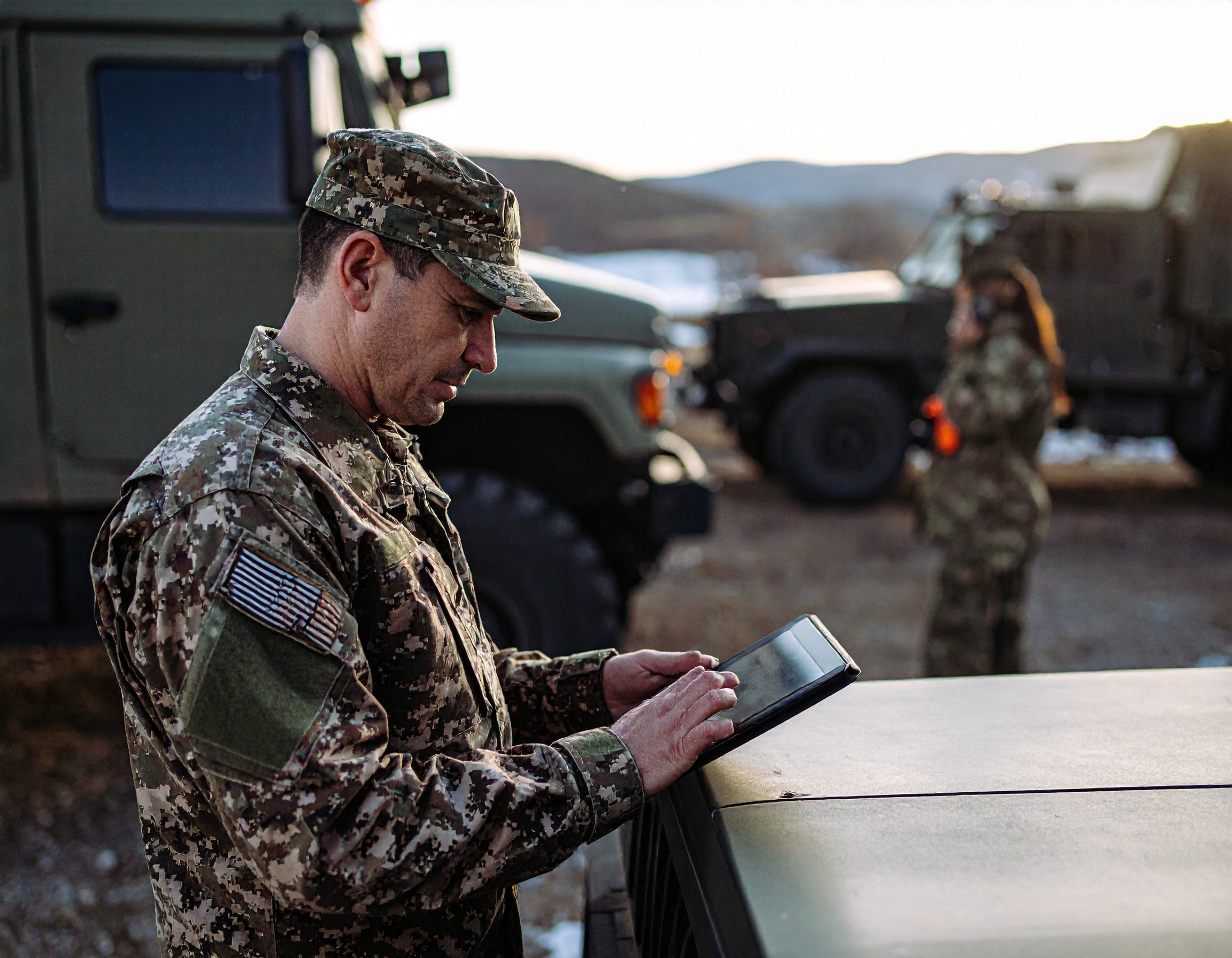
Mounted Sustainment Routes
Convoys, maintenance teams, and support vehicles move between depot Wi-Fi, roadside cellular, line-of-sight radio, and SATCOM. Hoplynk keeps dispatch, tracking, and reachback sessions intact instead of forcing manual failover at every coverage change.
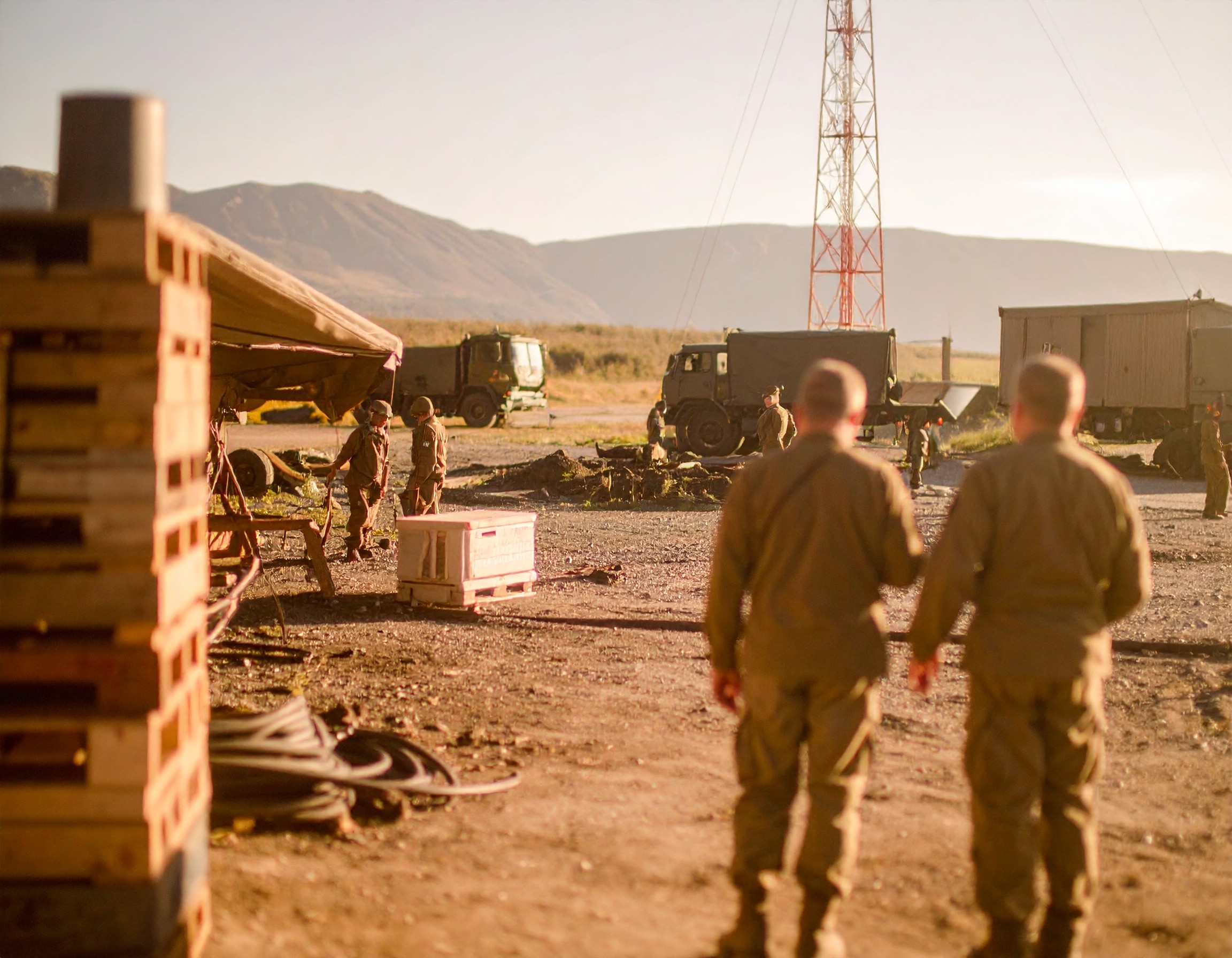
Forward Support Nodes
Fuel points, ammo areas, and expeditionary support sites need more than a one-time turn-up. They need a network that can be policy-controlled remotely when staffing is thin and the footprint keeps shifting.
Explore Other Industries
Learn how Hoplynk serves other groups in Defense & Government.
Brigade, division, and theater footprints spanning fixed, mounted, and temporary nodes
Movement between fiber, SATCOM, cellular, radio, Wi-Fi, and expedient backhaul
Mixed command, fires, intelligence, sustainment, and admin traffic on shared links
Forward sites and training areas with limited signal staff
Command posts that must displace, re-form, and stay useful under pressure
Improves resilience across large and changing force layouts
Reduces manual network management across dispersed units
Supports command, sustainment, and field operations in one layer
Extends continuity to temporary and hard-to-support locations
Scales from individual nodes to enterprise-sized military footprints
See how Hoplynk can strengthen command and continuity across large-scale military operations.
Contact us to request a private technical overview or discuss pilot deployments.