

[ homeland security ]
A backup link is only useful if the mission can survive the cutover. When dispatch centers, mobile command posts, or remote security sites lose stable connectivity, coordination slows exactly when pressure rises.
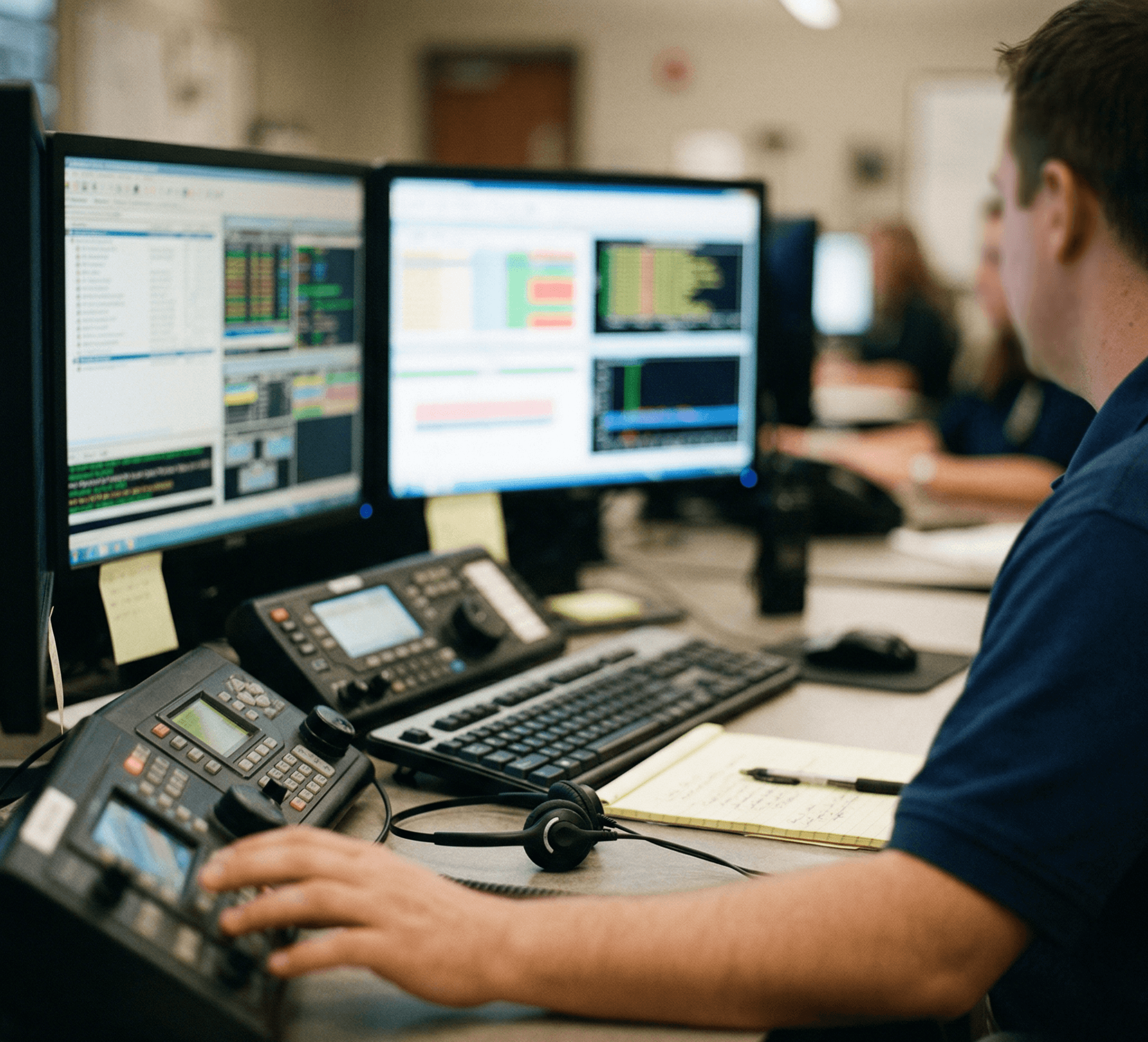
Hoplynk gives agencies a resilient communications layer across fixed sites, mobile assets, and temporary operations, helping essential systems stay available through outages, incidents, and rapid deployments.
Primary-to-backup cutovers break more than reachability
When a PSAP or EOC falls from a primary circuit to wireless or satellite backup, call handling, CAD, and associated data paths still need to hold together under load.
Temporary command sites inherit weak infrastructure
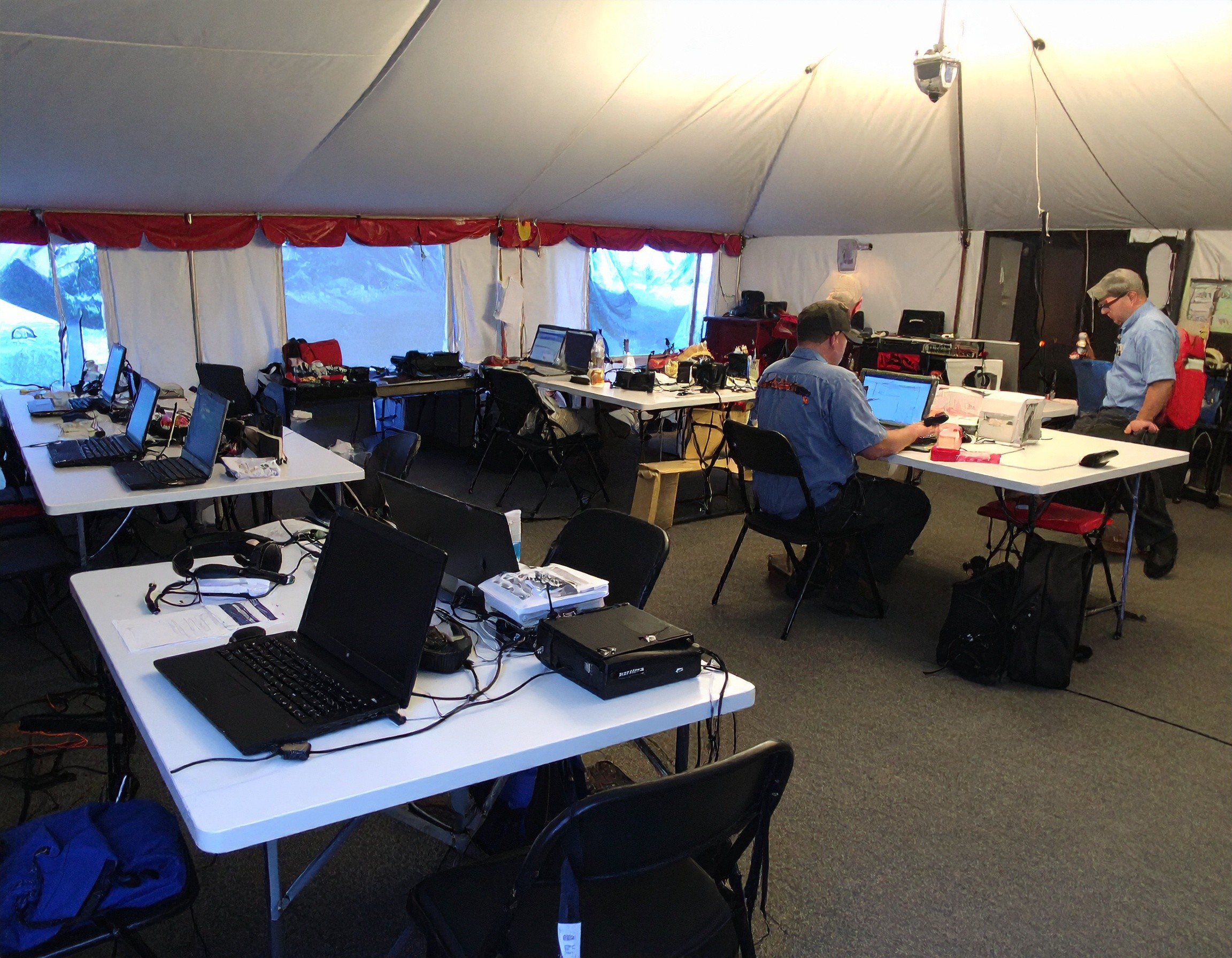
Staging areas, disaster shelters, and wildfire perimeters often start with borrowed power, thin coverage, and immediate demand for mapping, video, and cross-agency coordination.
Interagency traffic collides on limited backhaul
Police, fire, EMS, emergency management, and public information teams arrive with different systems, but still need one current operating picture.
Remote security sites stay lightly supported
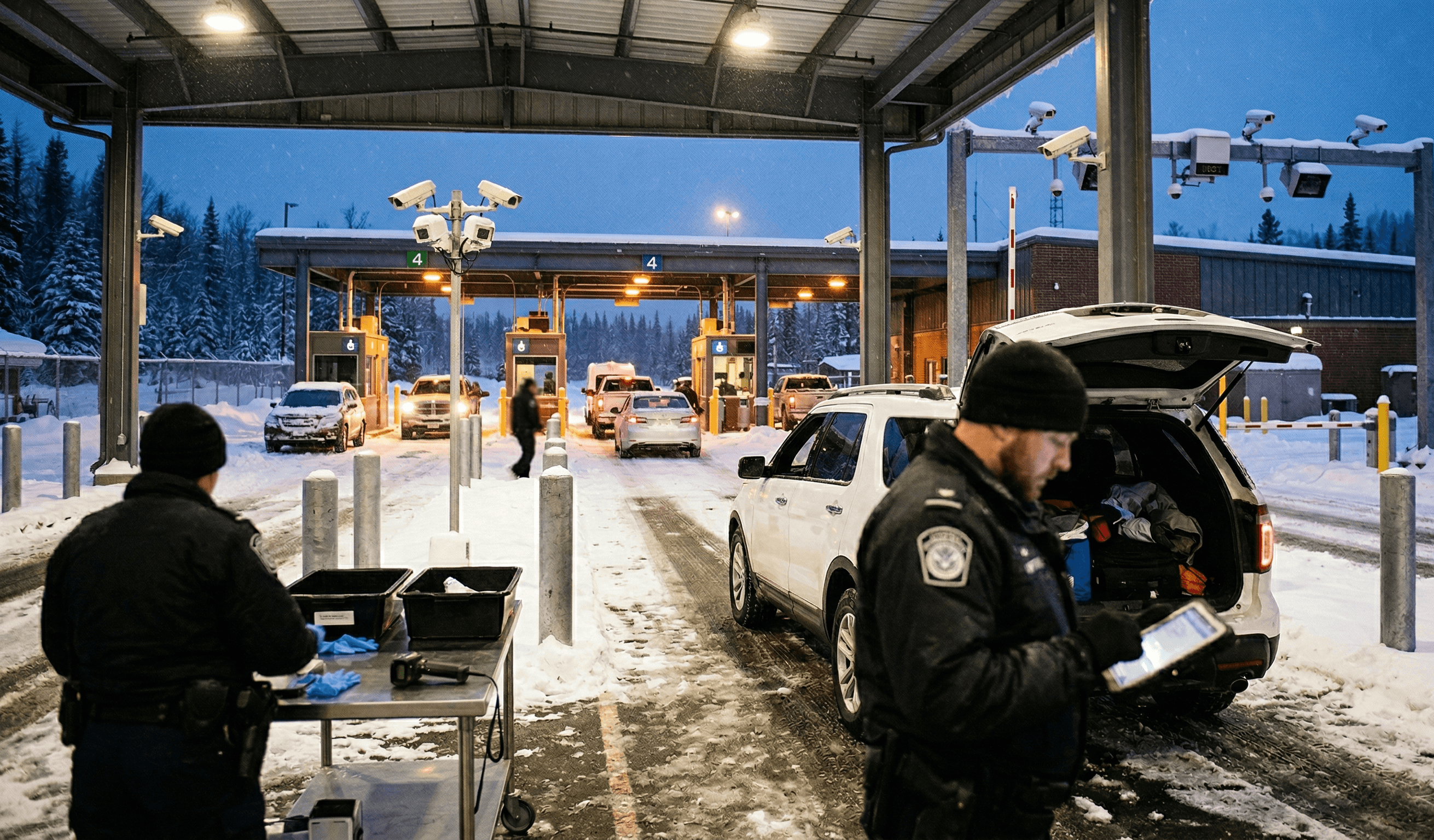
Border posts, tower locations, and rural or coastal sites need steady backhaul and consistent policy control without waiting on local specialists.
Hoplynk brings one resilient communications layer to high-stakes interagency operations.
Learn how Hoplynk's solutions can work for your team.
Autonomous Network Management
Hoplynk's Hydra AI keeps routing, failover, and link selection aligned as sites move between facility broadband, wireless backup, and field-deployed transports.
Multi-Transport Resilience
Hoplynk's integrated systems preserve one operating link across fiber, cellular, satellite, radio, and local LAN instead of forcing teams to manage each path separately.
Interagency Policy Control
Hoplynk's Argus dashboard applies access, segmentation, updates, and routing policy across PSAPs, vehicles, and remote sites so mixed agencies do not become a patchwork of one-off configurations.
Temporary Site Turn-Up
Deployable kits can stand up a command post, staging area, or backup communications position quickly, then remain under central visibility and control after first power-up.
Dispatch Continuity
Traffic for 911, CAD, GPS/location, and coordination stays on a controlled path when a center drops to backup transport or a portable dispatch position has to take over.
Solutions For Your Team
See how Hoplynk can help solve your unique communications challenges.
Backup PSAP Operations
Keep call-taking, CAD, and related data paths online when a primary route fails, a center loses connectivity, or a portable fallback position has to assume traffic.
Mobile Command and Mutual Aid
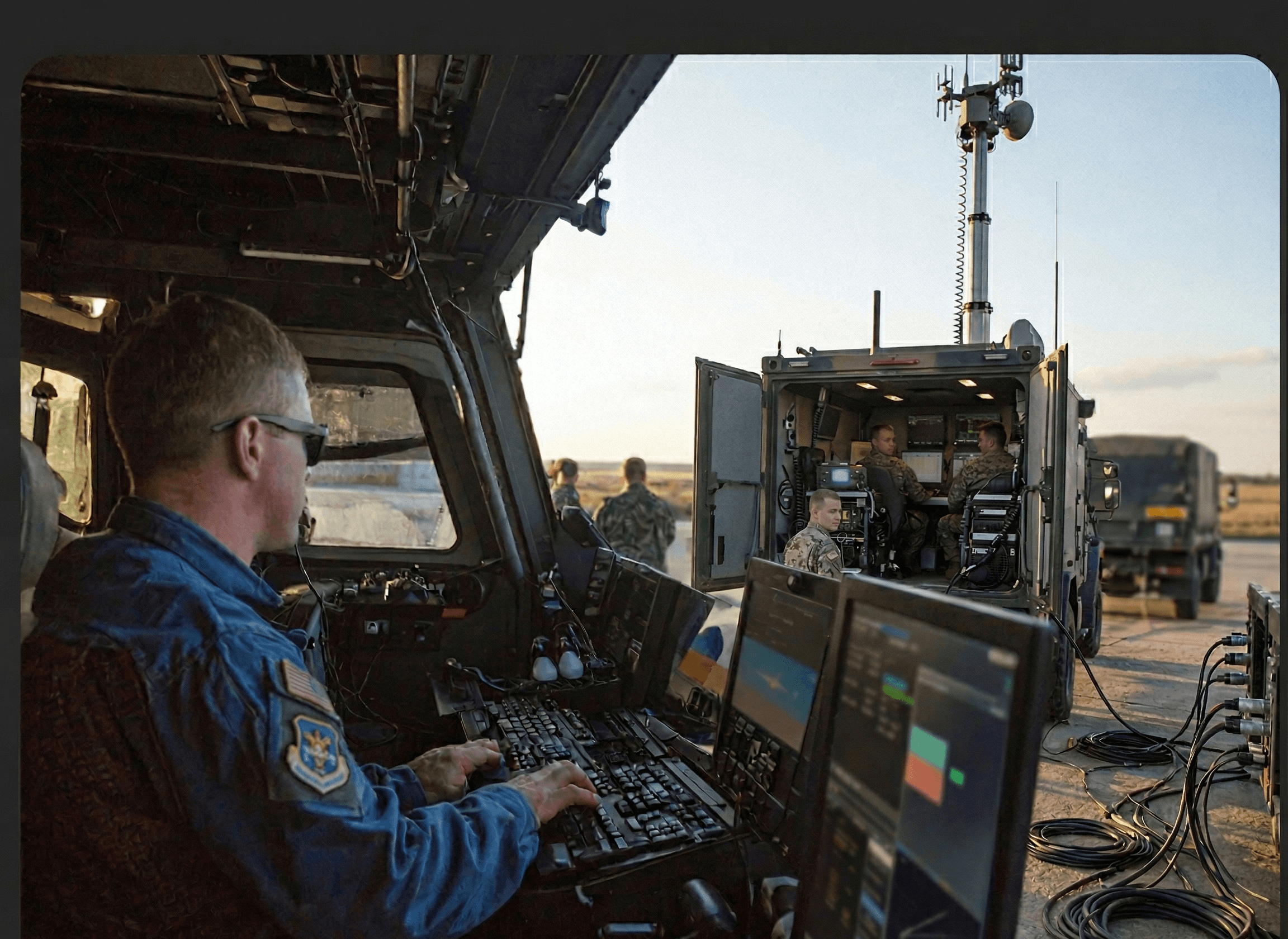
Support video, mapping, radios, and agency coordination from vehicles or temporary posts that arrive with no dependable backhaul and little time for setup.

Border and Remote Security Posts
Maintain backhaul for sensors, operator awareness, and local response at fixed posts and remote sites where coverage is uneven and staffing is light.
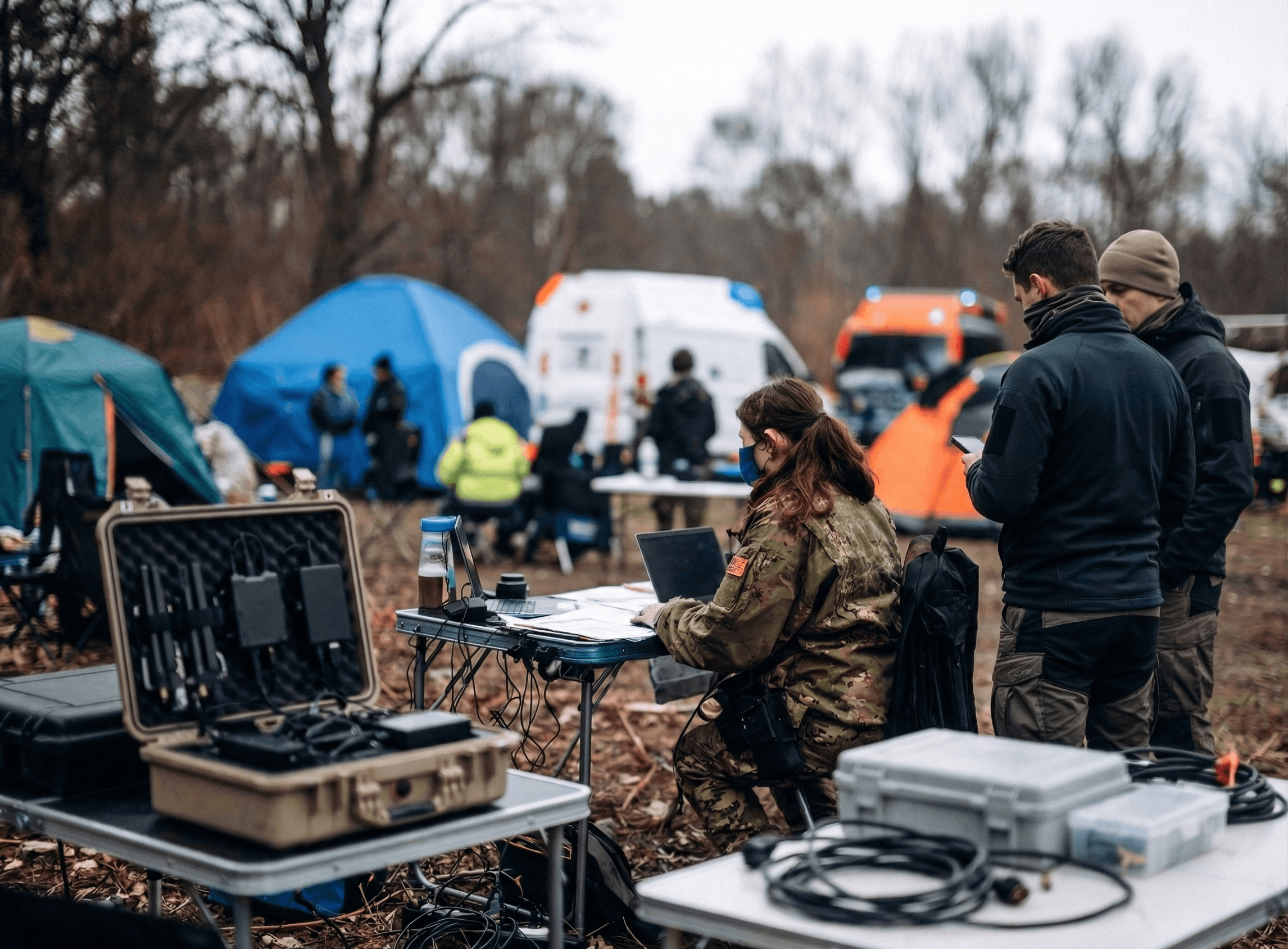
Disaster Staging and Recovery
Stand up communications for shelters, EOCs, EMS links, and public information after storms, fires, or cyber incidents have already degraded the normal circuits.

Explore Other Industries
Learn how Hoplynk serves other groups in Defense & Government.
PSAPs, EOCs, and field command elements that must operate as one incident network
Remote border, coastal, wildfire, or rural sites with uneven coverage
Mixed fixed and temporary infrastructure during disasters, surges, or planned events
Voice, CAD, GPS/location, video, and public-information traffic sharing the same backhaul
Agencies that need continuity without dedicated network specialists at every location
Improves continuity across complex interagency environments
Extends resilient connectivity to remote and temporary sites
Reduces manual intervention during high-pressure operations
Supports secure coordination across mixed mission workflows
Helps preserve critical services when ordinary infrastructure is under stress
See how Hoplynk can strengthen continuity across dispatch, command, and homeland security.
Contact us to request a private technical overview or discuss pilot deployments.