
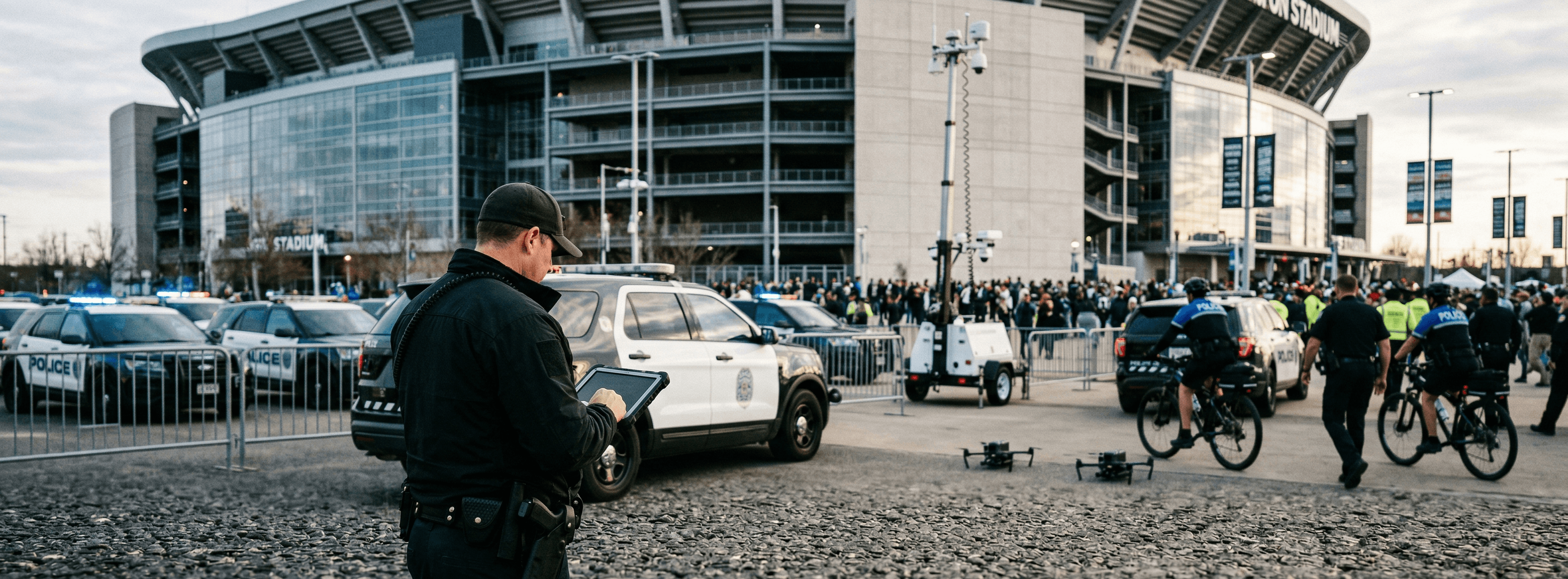
[ law enforcement ]
In military and law enforcement operations, communications failures slow decisions, erode situational awareness, and force operators to manage the network when they should be focused on the mission.
Hoplynk provides a resilient, low-burden networking layer that helps mobile units, temporary sites, and command elements stay connected as one operational picture.
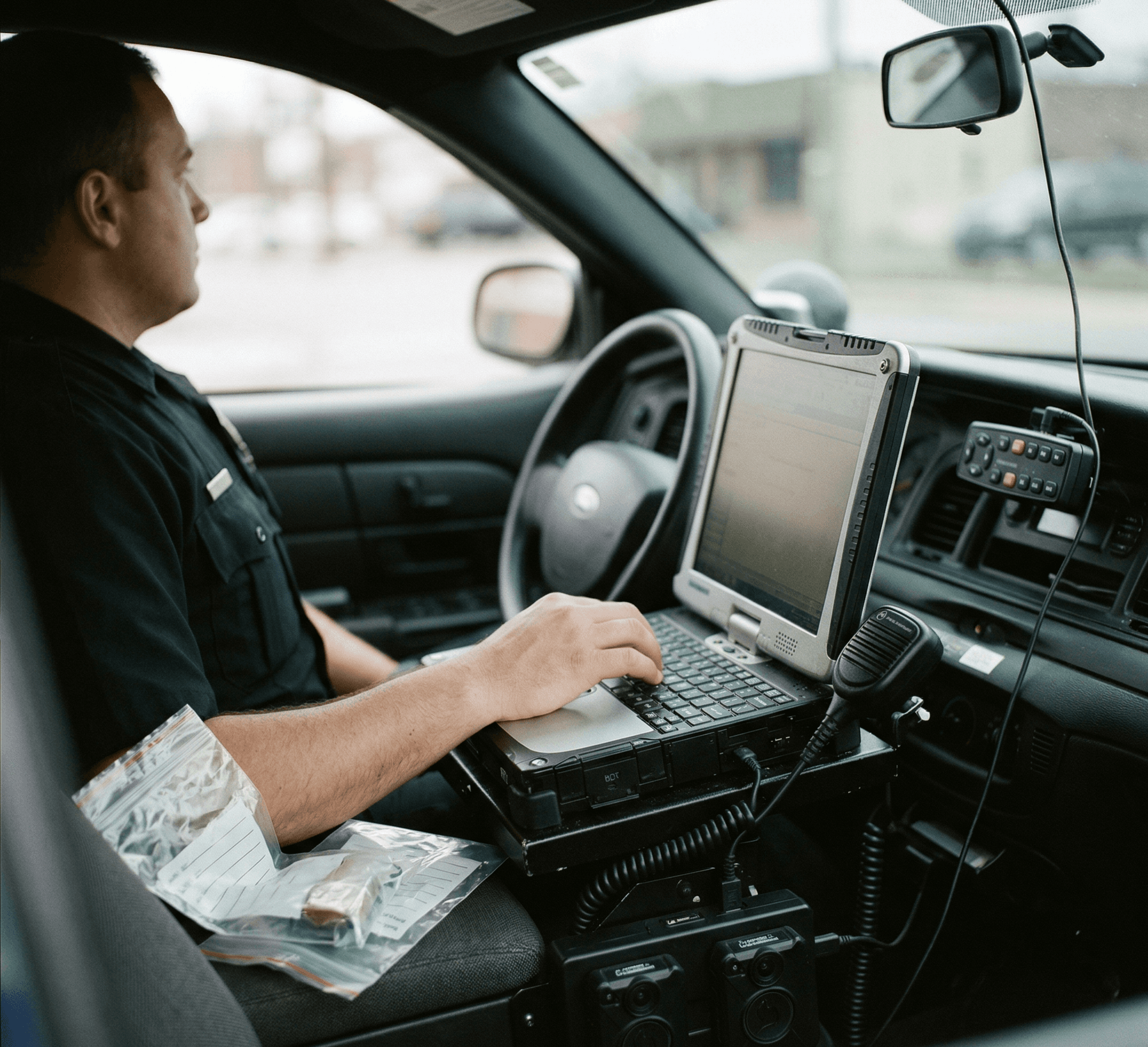
Cruiser handoffs break live work
Patrol traffic moves between precinct Wi-Fi, courthouse or garage coverage, urban LTE, and sparse rural sectors, and active CAD, mapping, and records sessions can fail right at those boundaries.
Video and evidence compete on one uplink
Dash cameras, body-worn cameras, drone feeds, and evidence transfer can crowd the same vehicle or scene backhaul during stops, perimeters, and special events.
Temporary command sites have congested infrastructure
Special-event perimeters, overflow command vehicles, and short-notice scene posts often start on borrowed power, overloaded carrier service, or one brittle backhaul path.
Remote operations turn communications into officer work
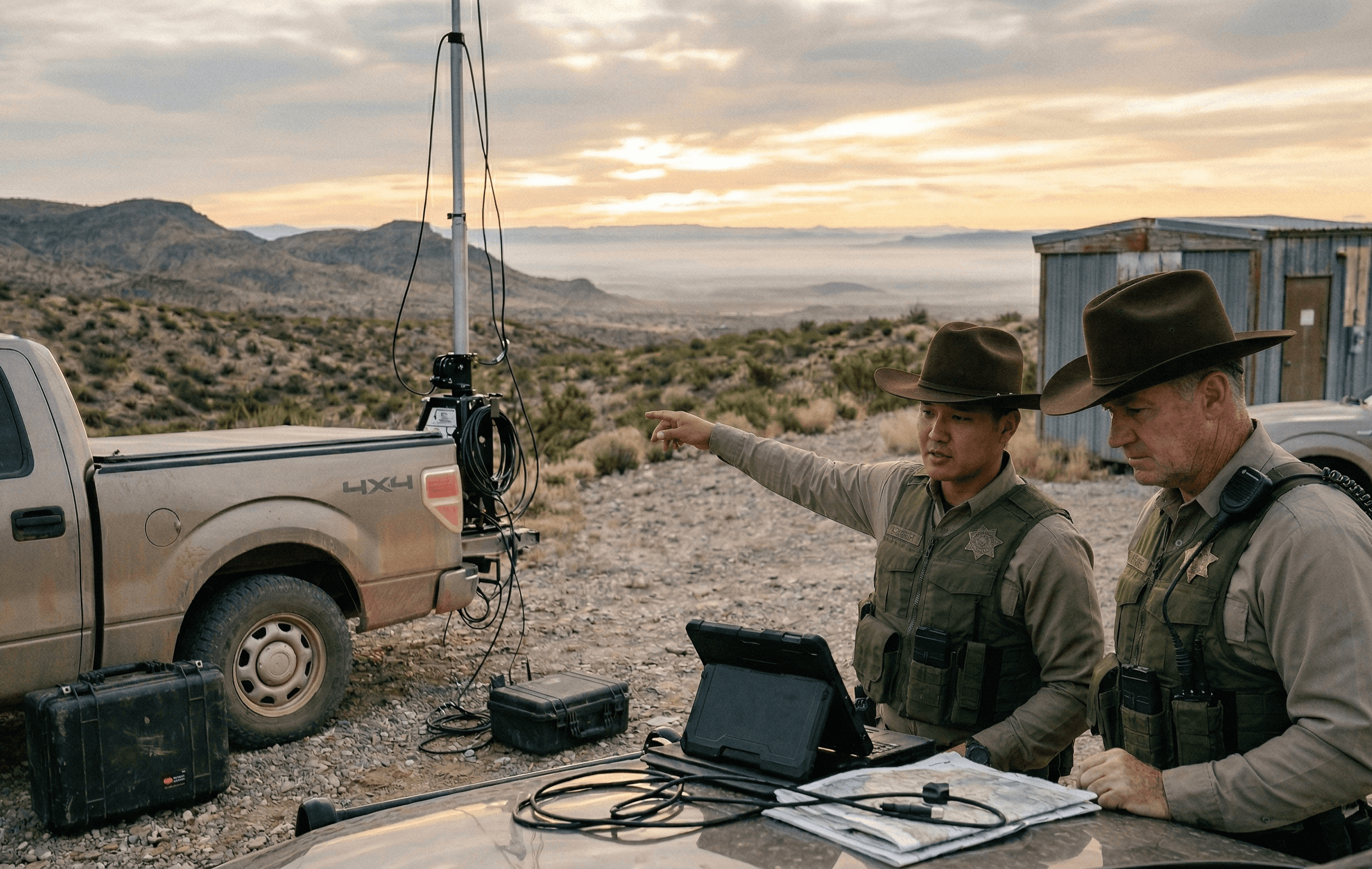
Search areas, border terrain, and rural substations can fall outside dependable coverage, forcing patrol or supervisors to improvise comms instead of staying on mission.
Hoplynk gives law enforcement resilient connectivity that adapts to the deployment.
Learn how Hoplynk's solutions can work for your team.
Autonomous Network Management
Hoplynk's Hydra AI keeps routing and failover aligned as units move between station coverage, vehicle broadband, rural sectors, and temporary field setups.
Multi-Transport Resilience
Hoplynk's integrated systems hold one working connection across cellular, satellite, Wi-Fi, radio, and fixed access instead of forcing patrol, command, and field teams onto separate manual fallbacks.
Secure Policy Control and Visibility
Hoplynk's Argus dashboard applies routing policy, access controls, updates, and segmentation across vehicles and sites while giving leaders live visibility into node status and transport health.
Temporary Command Turn-Up
Portable and vehicle-based nodes can bring up a command trailer, event post, rural substation, or overflow coordination site quickly without shipping field IT.
Predictive Reliability
Hydra's link scoring and preemptive traffic shifts protect CAD, mapping, records, and video sessions before weak signal or congestion becomes a visible break.
Solutions For Your Team
See how Hoplynk can help solve your unique communications challenges.

Patrol Fleet Continuity
Keep cruiser video, CAD, plate returns, report sync, and evidence transfer moving across sparse highways, urban dead spots, precinct Wi-Fi, and vehicle-mounted WAN links.
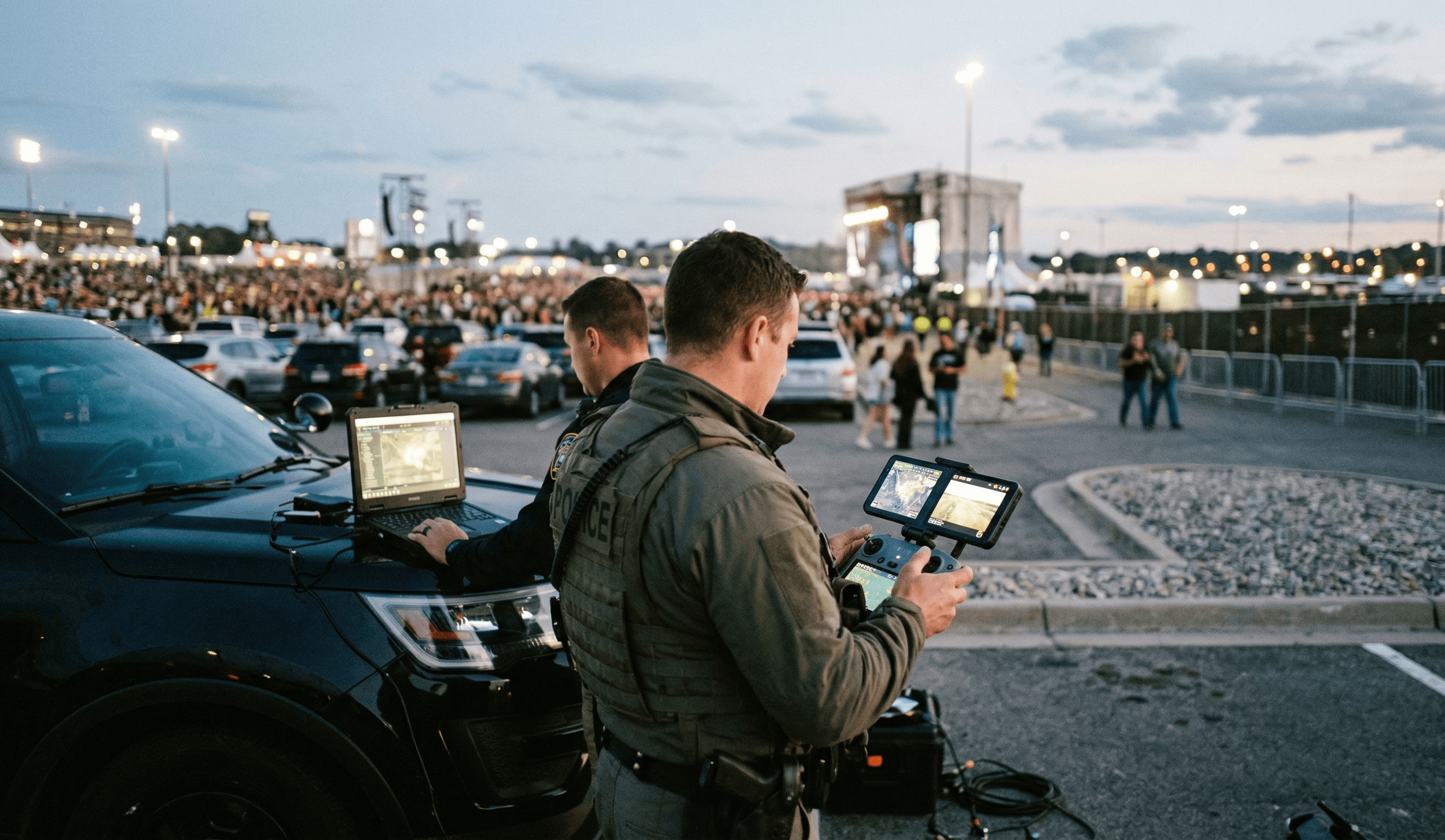
Drone Overwatch and Mapping
Support live drone video, mapping products, and command-post reachback at special events, search scenes, and tactical incidents where local networks congest first.
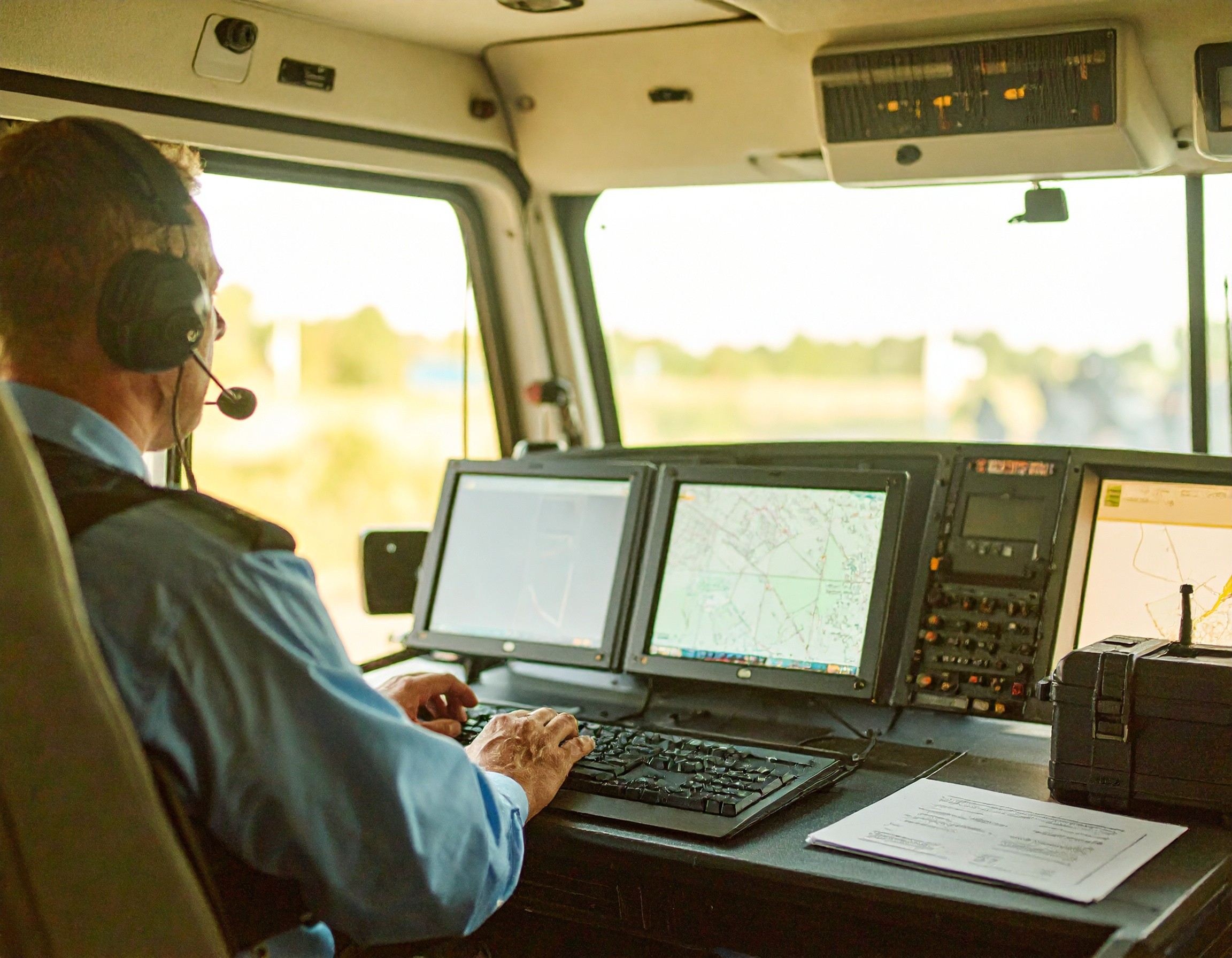
Mobile Command Vehicles
Give supervisors and incident commanders controlled broadband for body-camera feeds, drone inputs, shared maps, and interagency coordination from a vehicle-based command post.
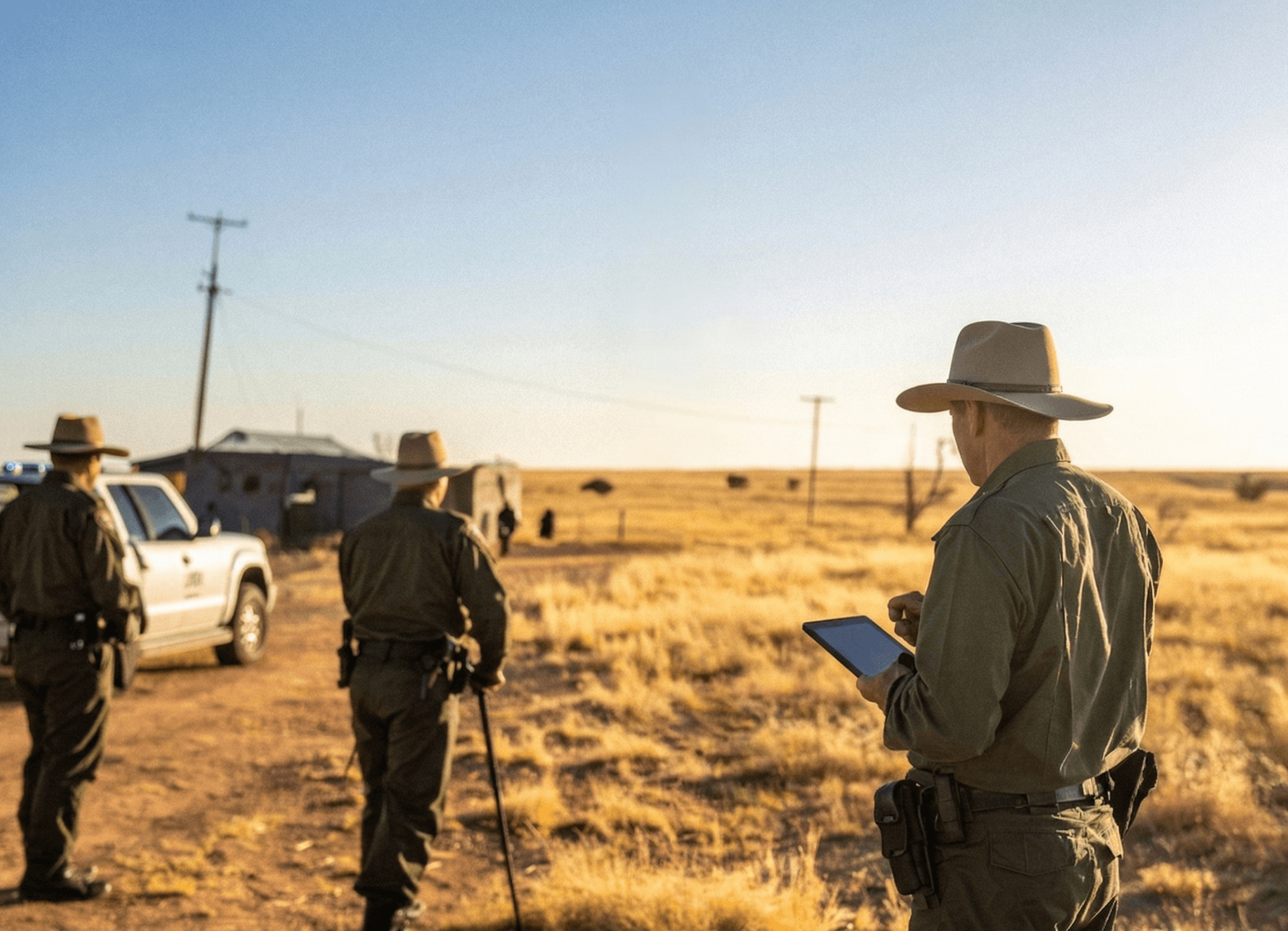
Rural Search and Remote Posts
Preserve location sharing, field updates, and coordination for teams operating from rural substations, remote terrain, or dead zones where ordinary cellular cannot be trusted.

Special Event Perimeters
Stand up repeatable connectivity for stadiums, conventions, checkpoints, and crowd-control operations where many agencies converge and commercial networks overload.

Explore Other Industries
Learn how Hoplynk serves other groups in Defense & Government.
Patrol, supervisory, and investigative work spread across vehicles, fixed sites, and temporary scenes
Movement between station broadband, in-building coverage, vehicle connectivity, and weak roadside service
Mixed CAD, mapping, records, evidence, and live-video traffic on constrained uplinks
Rural posts, remote terrain, and special-event footprints with little local technical support
Multi-agency operations that still need one current operating picture and consistent policy
Fewer dropped sessions during vehicle movement, scene changes, and building-threshold handoffs
Less manual failover when carrier performance dips or one path overloads
Faster stand-up for command vehicles, event posts, and lightly supported remote sites
Lower technician travel burden across fleets, substations, and temporary deployments
Cleaner scaling across vehicles and programs without matching growth in field IT headcount
See how Hoplynk can preserve continuity for law enforcement.
Contact us to request a private technical overview or discuss pilot deployments.