
[ special operations ]
Special operations teams cannot afford to fight the network and the mission at the same time. When movement, terrain, or reconfiguration breaks connectivity, coordination slows and small teams inherit yet another burden.
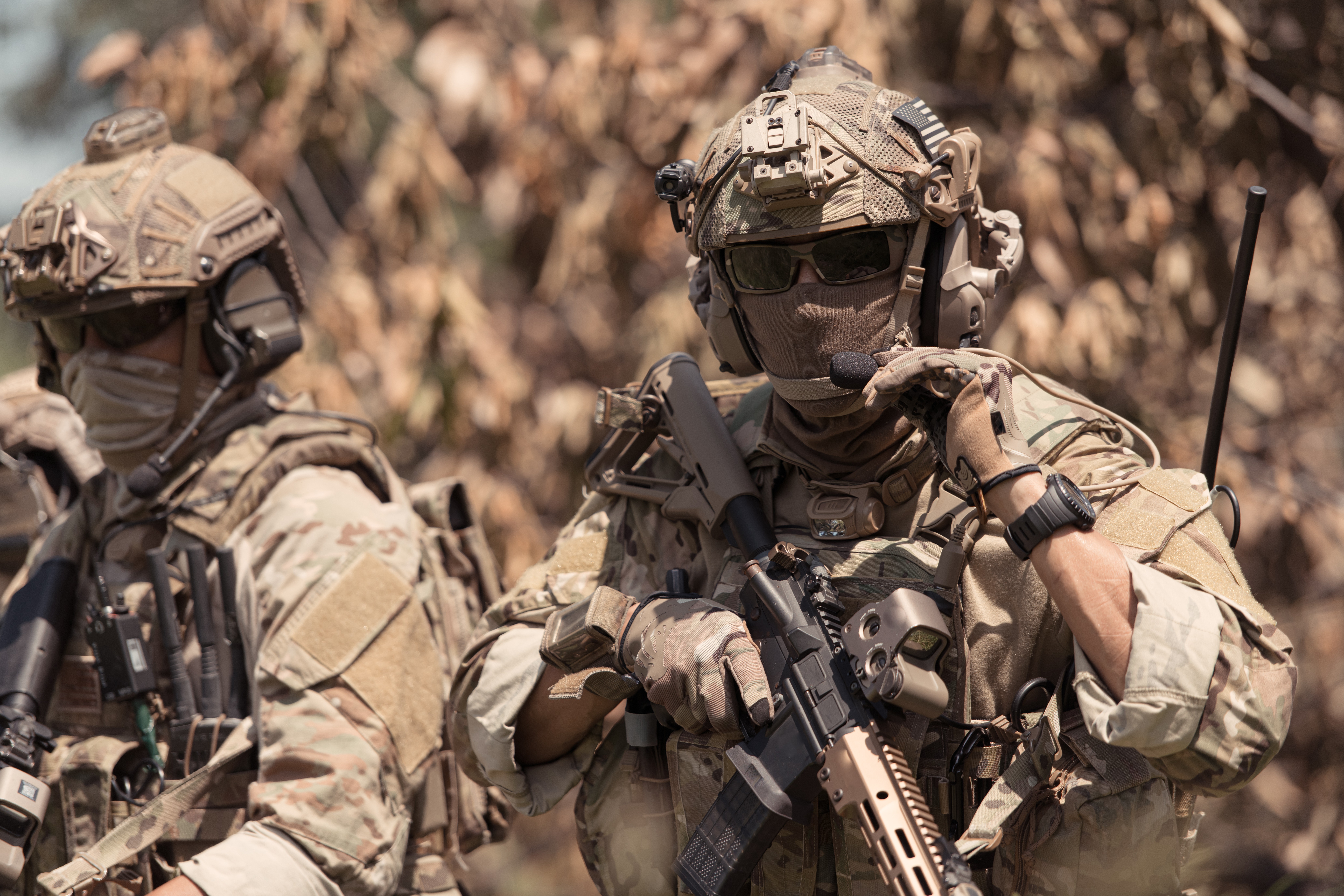
Hoplynk gives special operations forces a low-burden communications layer that adapts as teams move, helping critical traffic stay up without adding more work, people, or signature.
Movement breaks the transport plan
A team leaving a vehicle, aircraft, or fixed relay can lose the path that was just carrying maps, chat, or video.
One backhaul carries unlike traffic: Position updates, team voice, sensor data, ISR video, and partner coordination often compete on the same limited link.
Interoperability fails at the edges
Mixed radios, phones, mesh links, and mission apps create handoff and translation problems exactly when teams or partner elements recombine.
Thin comms staffing turns link trouble into operator work
When the package is small, troubleshooting, failover, and relay rebuilding land on the same people running the mission.
Mission packages reconfigure faster than networks do
As positions, relays, and partner nodes change, operators can end up rebuilding the comms picture instead of running the mission.
Hoplynk gives special operations teams resilient connectivity that adapts with the mission.
Learn how Hoplynk's solutions can work for your team.

Autonomous Network Management
Hoplynk's Hydra AI keeps routing current as teams shift between vehicles, aircraft, temporary relays, and dismounted nodes, so operators do not rebuild paths by hand.
Multi-Transport Resilience
Hoplynk's integrated systems preserve one operating link across radio, SATCOM, cellular, Wi-Fi, and wired backhaul as terrain, weather, or movement knocks out any single path.
Secure Policy Control and Visibility
Hoplynk's Argus dashboard pushes routing intent, access rules, and updates across the package and shows node health centrally as teams, partner elements, and temporary sites keep changing.
Temporary Site Turn-Up
Portable nodes can be placed at an observation post, staging point, or small command cell quickly, then moved or left behind without bespoke setup.
Predictive Reliability
Hydra measures link quality continuously and moves traffic before a weak connection, congestion, or relay loss turns into a dropped feed or stale team picture.
Solutions For Your Team
See how Hoplynk can help solve your unique communications challenges.
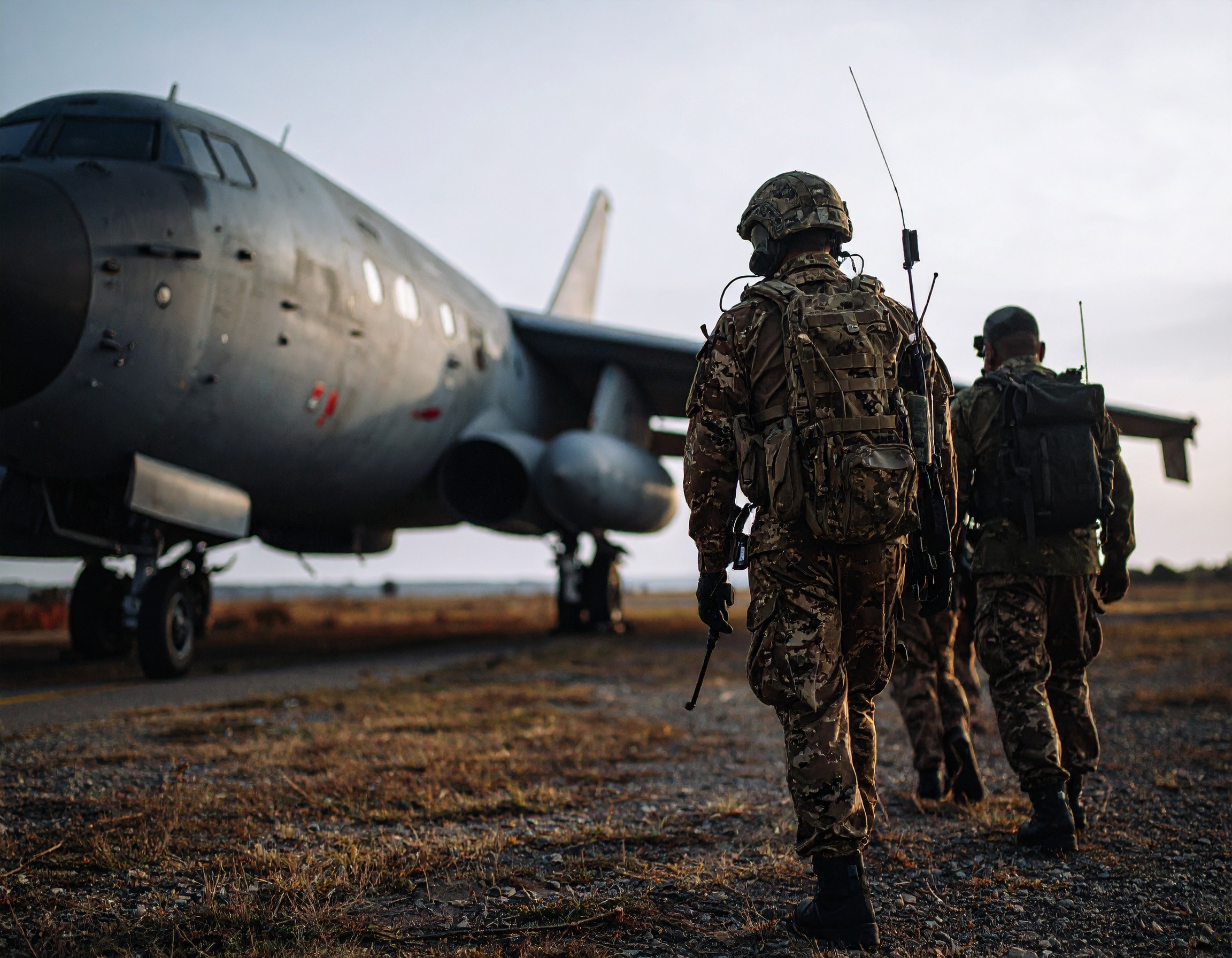
Dismounted Patrol Reachback
Teams leaving vehicle or aircraft support still need maps, position, voice, and sensor traffic to survive the handoff into weaker or no terrestrial coverage.
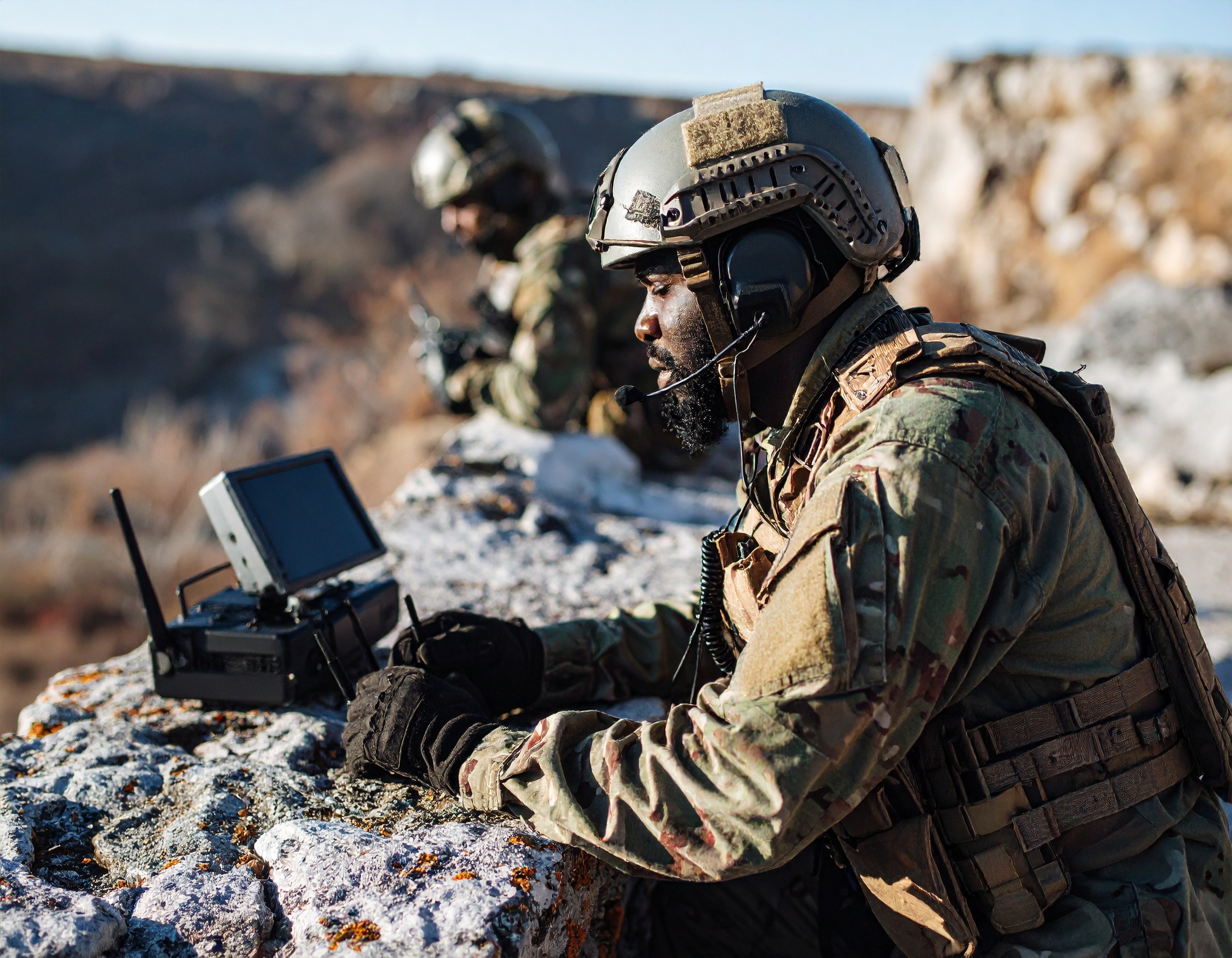
Remote Observation Sites
Small posts with camera or UAS feeds need low-footprint backhaul that holds up through terrain masking, weather shifts, and intermittent visibility to any one transport.
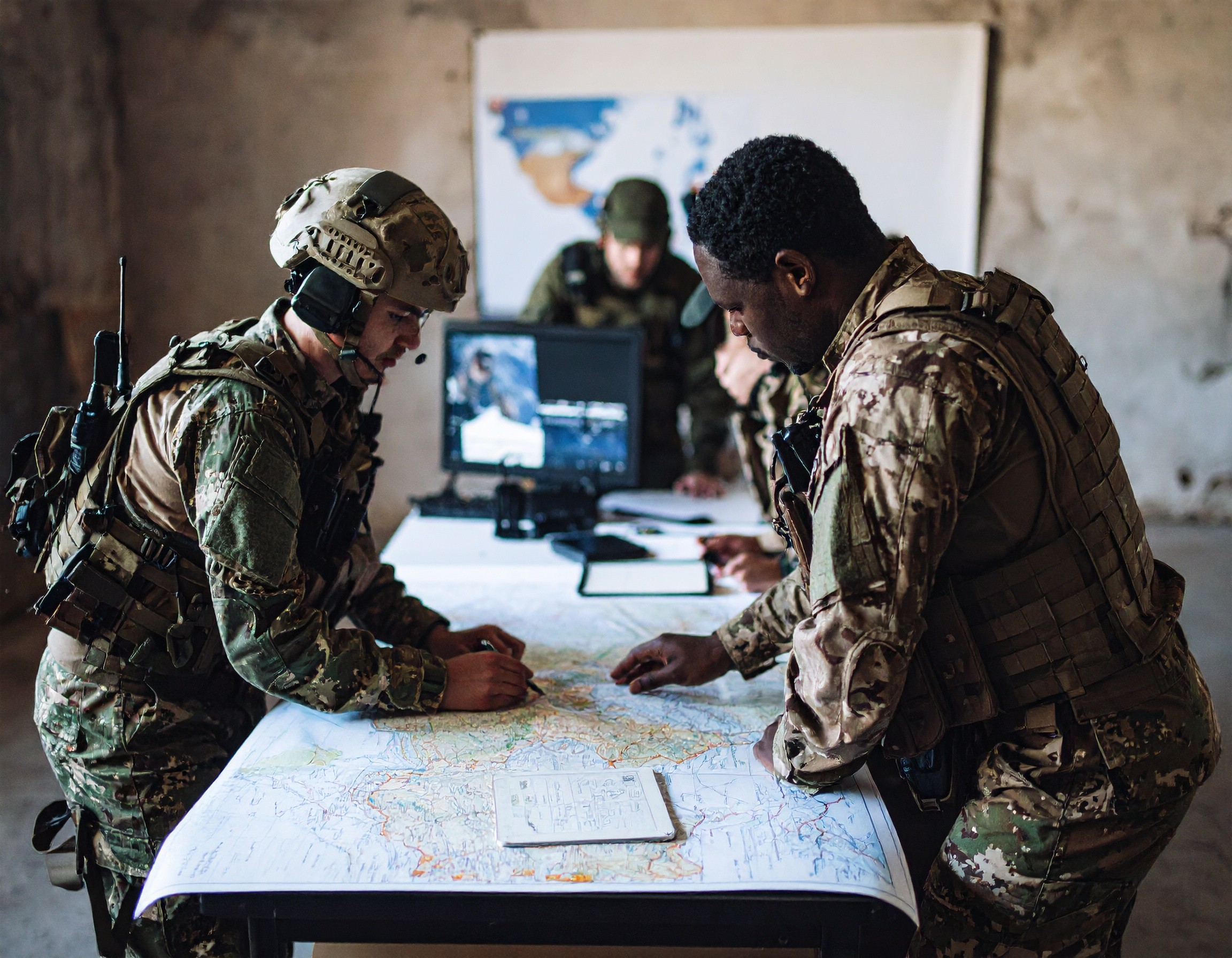
Partner-Force Coordination
Mixed radios, phones, mission apps, and shared video have to cross team boundaries without forcing operators to rebuild the communications picture each time the package changes.

Air-Ground Synchronization
Aircraft, assault forces, and mission command nodes need the same operating picture when routes shift, relays move, or one path degrades mid-mission.
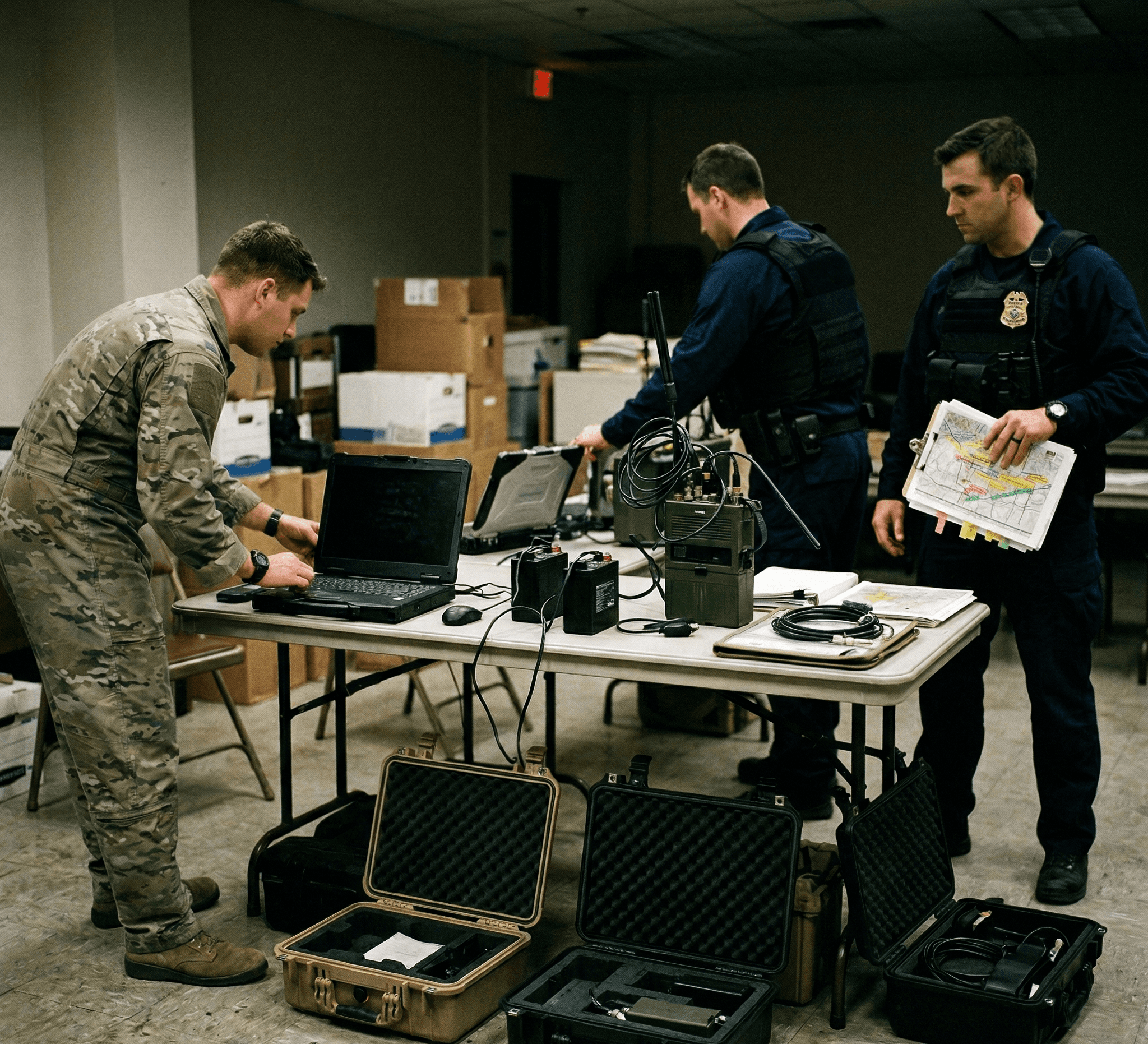
Temporary Mission Cells
Short-duration command nodes, rehearsals, and staging locations need a network that can be stood up fast, carry planning and sensor traffic, and then move again.

Explore Other Industries
Learn how Hoplynk serves other groups in Defense & Government.
Small teams with little dedicated communications labor
Movement between aircraft, vehicles, temporary positions, and partner locations
Mixed radio, SATCOM, cellular, and local network conditions
Low-signature or short-duration sites where setup time is tight
Sensor, voice, map, and coordination traffic competing on limited backhaul
Reduces comms burden on operators at the tactical edge
Preserves continuity as teams maneuver and mission plans shift
Supports sensor, voice, and data workflows in one adaptive layer
Extends resilient connectivity without adding large support requirements
Improves mission agility in places ordinary networks do not reach
See how Hoplynk can preserve coordination across special operations in the most demanding environments.
Contact us to request a private technical overview or discuss pilot deployments.