

[ Energy & Utilities ]
Energy and utility operators depend on continuous, reliable communications across widely distributed sites such as generation facilities, substations, pipelines, control centers, and field crews.
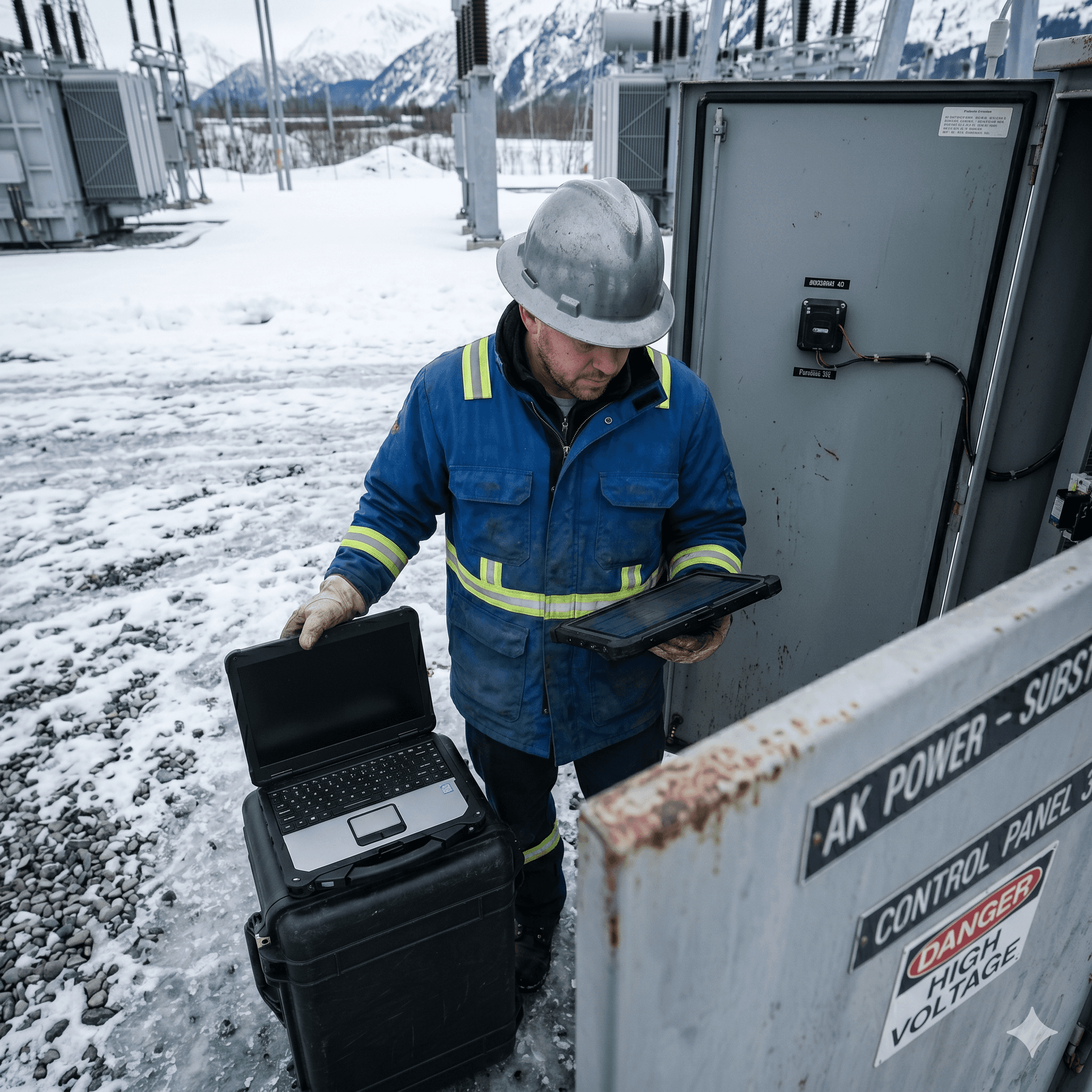
Hoplynk delivers an autonomous networking layer that keeps critical systems online, adaptive, and resilient in the face of congestion, extreme weather, or remote locations with limited infrastructure.
Primary-to-backup cutovers break active operations
A substation or remote site can fall from fiber or microwave to cellular or satellite, and that transition can interrupt SCADA reachback, engineering access, or alarm traffic mid-event.
Field work outruns network coverage
Trouble crews, inspectors, and restoration vehicles move between depot Wi-Fi, roadway cellular, and dead zones while maps, switching orders, and status updates still need to stay current.
Remote assets inherit thin infrastructure
Pump stations, renewable fields, and environmental monitoring sites often operate on narrow backhaul and cannot support constant manual failover.
Low local staffing turns link trouble into operations work
Most field locations do not have on-site network specialists, so outages become truck rolls, phone calls, and delayed recovery.
Hoplynk combines all available links into one resilient, self-managing network layer.
Learn how Hoplynk's solutions can work for your team.
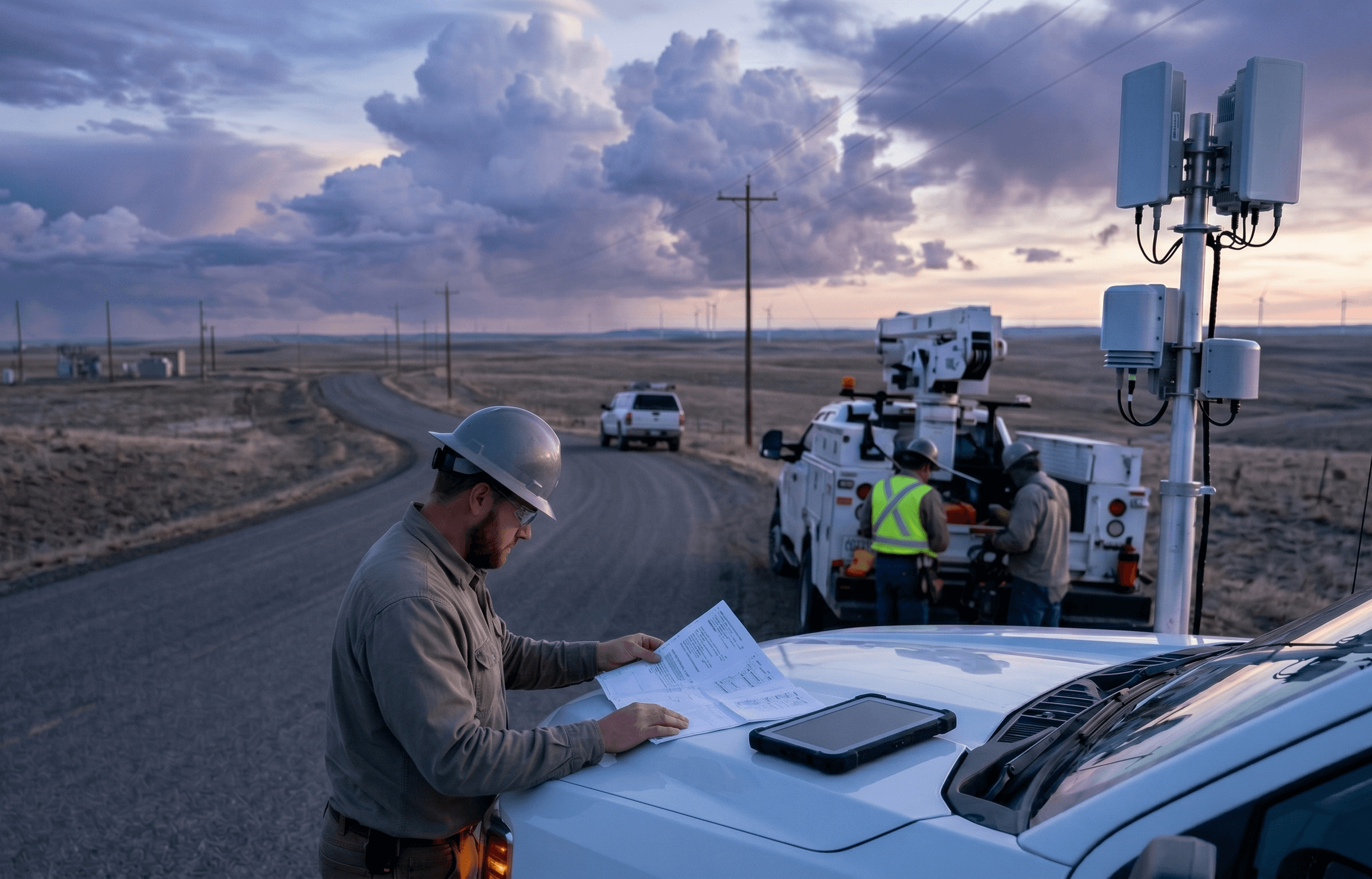
Autonomous Network Management
Hoplynk's Hydra AI monitors path quality across substations, field kits, vehicles, and remote sites and adjusts routing before operators have to intervene.
Multi-Transport Resilience
Hoplynk's integrated systems combine cellular, fiber, Wi-Fi, and satellite to operate as one managed connection instead of separate fallback plans.
Incident Network Visibility
Hoplynk's Argus dashboard pushes updates, routing intent, and access controls across dispersed infrastructure without sending field IT from site to site.
Temporary Site Turn-Up
Storm staging areas, mobile command posts, and temporary operations nodes can come online quickly under the same policy model as permanent sites.
Predictive Reliability
Hoplynk’s devices move traffic before a weak backhaul, failing sector, or weather-hit link turns into dropped telemetry, stalled remote sessions, or broken crew coordination.
Solutions For Your Team
See how Hoplynk can help solve your unique communications challenges.
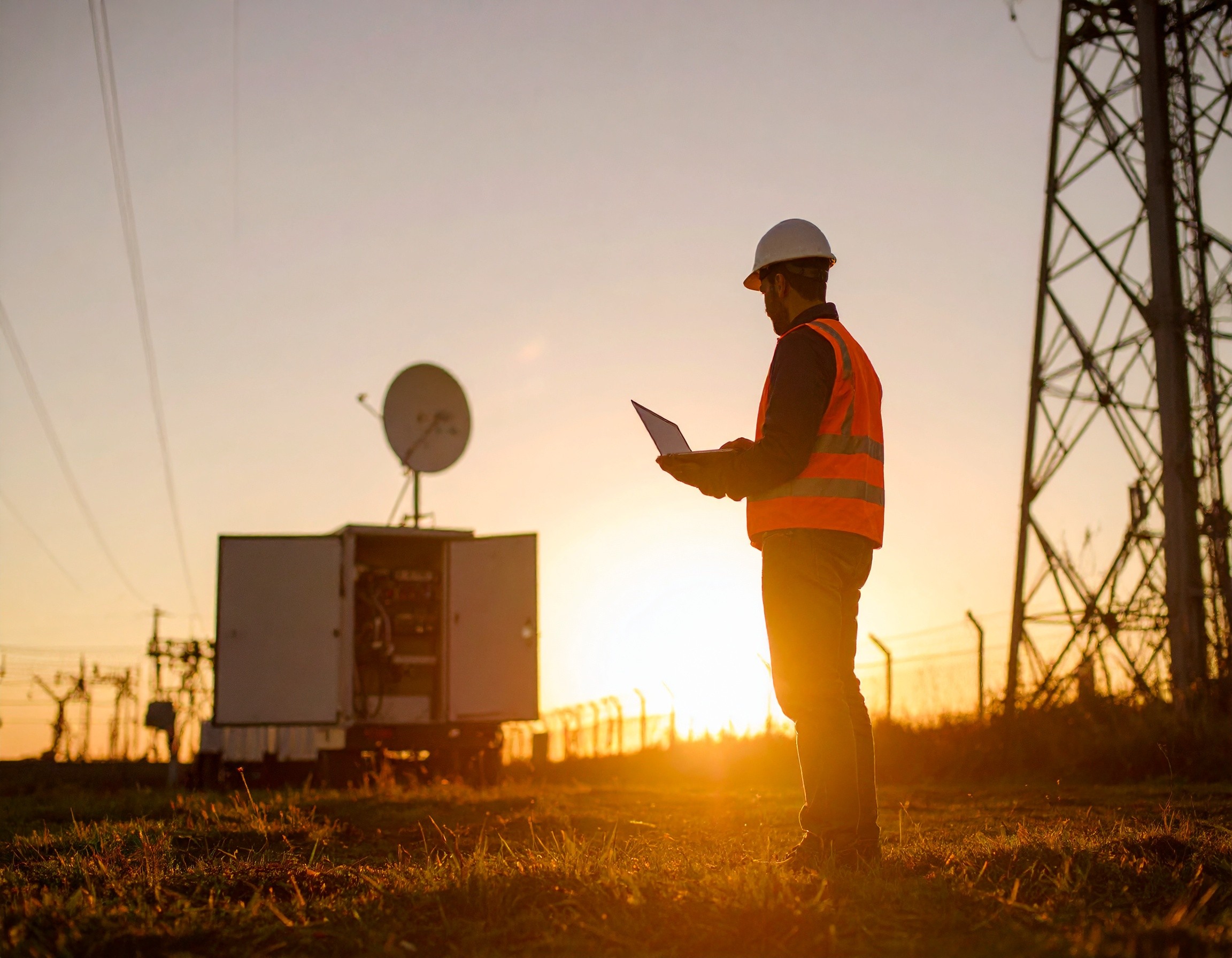
Substation Backhaul Continuity
Keep telemetry, relay access, and OT support traffic available when a site shifts off its primary circuit or a backhaul path degrades under load.

Line Crew Reachback
Preserve maps, switching instructions, damage documentation, and coordination as field crews move between depot coverage, roadside LTE, and remote terrain.

Renewable Site Operations
Support wind, solar, and storage assets spread across large footprints where weather, distance, and uneven coverage make single-path connectivity brittle.
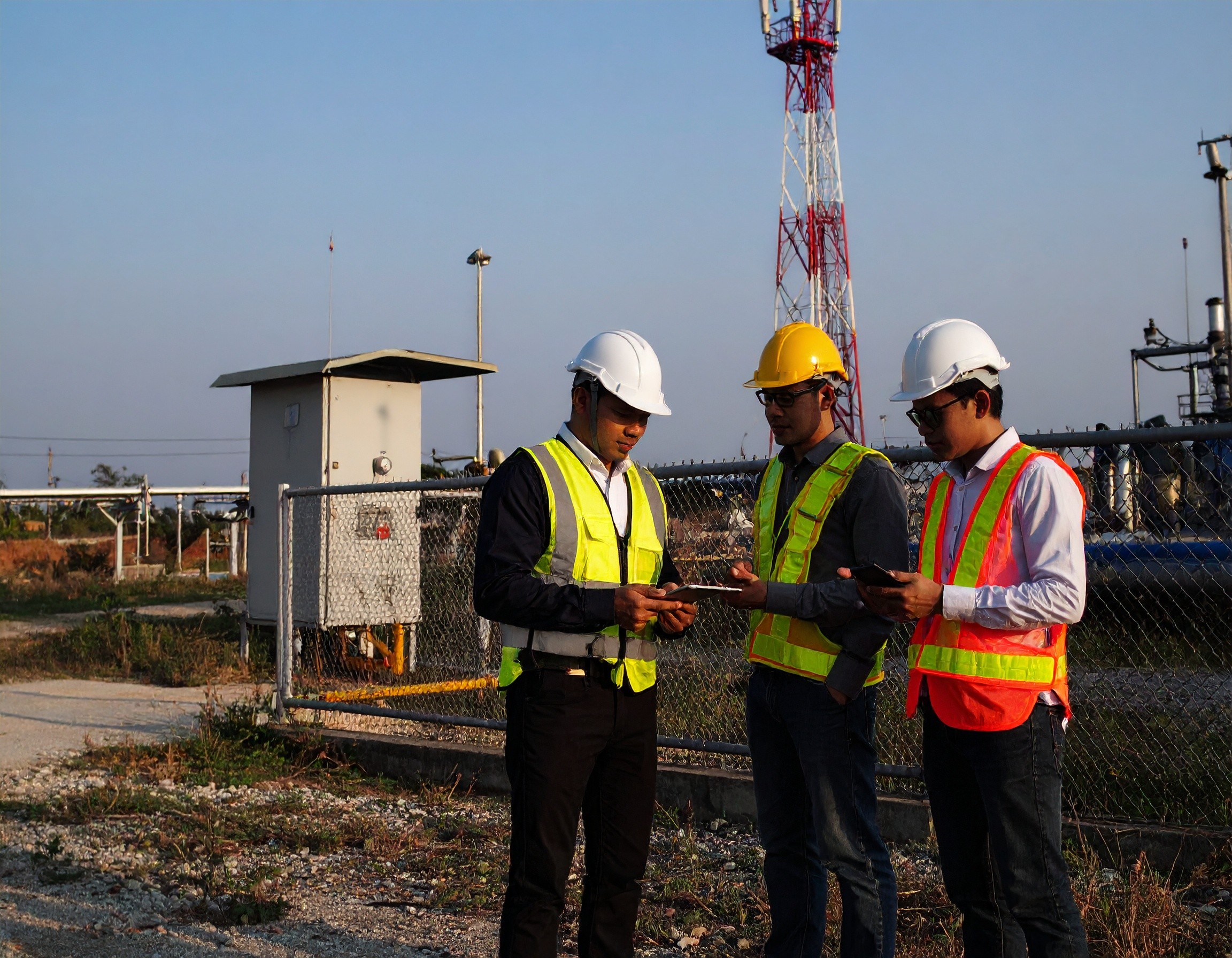
Pipeline and Remote Monitoring
Maintain communications for compressor stations, environmental sensors, and remote inspection points where fixed infrastructure is sparse and truck rolls are expensive.

Storm Restoration Networks
Bring up managed connectivity for restoration yards, mobile command nodes, and temporary field offices before permanent circuits are back in service.

Explore Other Industries
Learn how Hoplynk serves other Distributed Enterprises
Distributed fixed sites and mobile crews operating on the same network footprint
Mixed fiber, radio, cellular, and satellite environments
Remote facilities with limited or no on-site IT support
OT, telemetry, engineering, and coordination traffic sharing constrained backhaul
Temporary restoration and surge operations that need fast turn-up
Why Operators Choose Hoplynk
Reduces manual failover during outages, cutovers, and degraded coverage
Preserves continuity for telemetry, remote access, and field coordination
Extends resilient connectivity to remote and lightly supported sites
Simplifies policy and visibility across a large infrastructure footprint
Scales new sites, vehicles, and restoration nodes without matching growth in support headcount
Explore how autonomous, multi-transport networking can strengthen your grid.
Contact us to request a private technical overview or discuss pilot deployments.