

[ Healthcare systems ]
Distributed care relies on every site reliably reaching the systems behind it. When that connection weakens the vital functions that undergird patient flow all start to shut down. What should remain a network event turns into ad hoc workarounds for clinic managers, operational staff, and satellite-site providers, when none of them should be babysitting transports.

Hoplynk’s routers provide Starlink, Cellular, and WiFi in one managed network to distributed care sites. The onboard Hydra AI observes link quality, rebalances routing across transports, and shifts traffic before congestion, handoffs, or outages become charting delays, lost images, or failed reachback. Our Argus dashboard lets central IT push policy, updates, segmentation, and access controls across hospitals, clinics, and contingency sites from one view, without site-by-site tuning or shipping field IT — all keeping critical applications available without site-by-site intervention.
Primary-to-backup failovers break active workflows
Outpatient and specialty sites often move from fixed broadband to LTE or satellite during outages, and those transitions can interrupt EHR sessions, image access, and pharmacy reachback mid-shift.
Distributed care depends on central systems
Clinics, ambulatory centers, labs, and remote support locations may be clinically functional but still unable to operate normally when access to shared records, scheduling, or diagnostic platforms becomes unstable due to a spotty network.
Mixed traffic competes on constrained backup links
Clinical applications, administrative systems, voice traffic, and various other devices often share the same reduced path during an incident or failover window, further constraining vital bandwidth from healthcare services.
Satellite sites have limited local IT depth
A network problem at a smaller care site quickly becomes troubleshooting work for people who should be focused on intake, coordination, and patient flow.
Hoplynk unifies distributed care locations into one resilient, self-managing network layer.
Learn how Hoplynk's solutions can work for your team.

Autonomous Network Management
Hoplynk's Hydra AI continuously monitors link health and adjusts routing across care sites so connectivity stays stable without constant manual intervention.
Multi-Transport Resilience
Hoplynk's integrated systems maintain continuity across fixed circuits, wireless failover, and temporary backhaul when a site has to shift away from its primary connection, keeping a stable managed network.
Fleetwide Visibility
Hoplynk's Argus dashboard applies standardized policy, segmentation, updates, and access controls across the care network while giving central IT real-time remote visibility into node and transport status.
Temporary Site Turn-Up
Overflow clinics, relocatable command spaces, backup operations rooms, and surge facilities can be brought online quickly with the same management and security model as permanent sites with the uniform routing policy provided by Argus on Hoplynk devices.
Predictive Reliability
Traffic moves before degradation becomes visible to clinicians, preserving access to records, images, and coordination tools during unstable conditions.
Solutions For Your Team
See how Hoplynk can help solve your unique communications challenges.
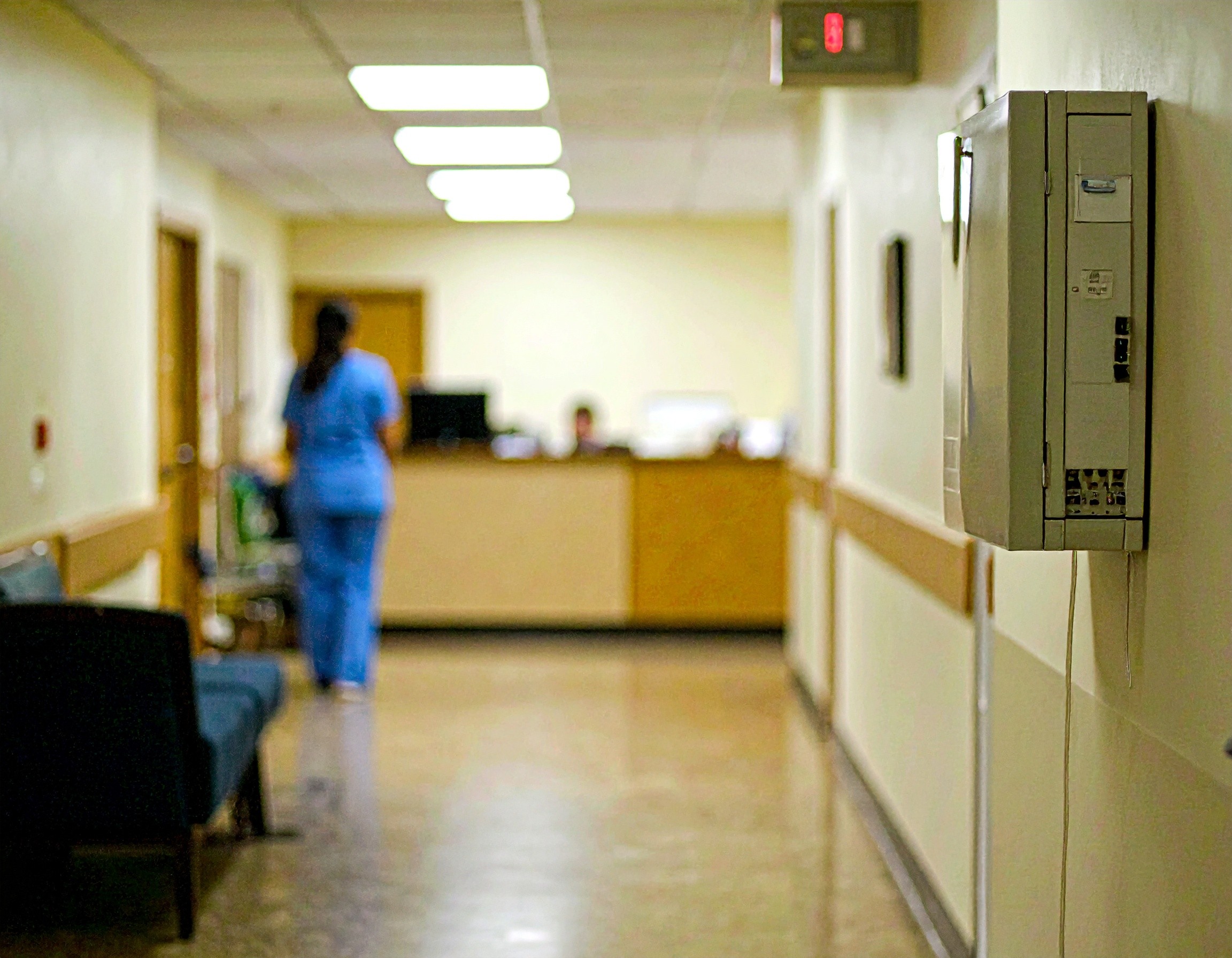
Ambulatory Site Continuity
Keep specialty clinics, ambulatory centers, and outpatient sites with limited connectivity infrastructure online and tied to central systems — even when their local broadband fails or a cutover does not go cleanly.
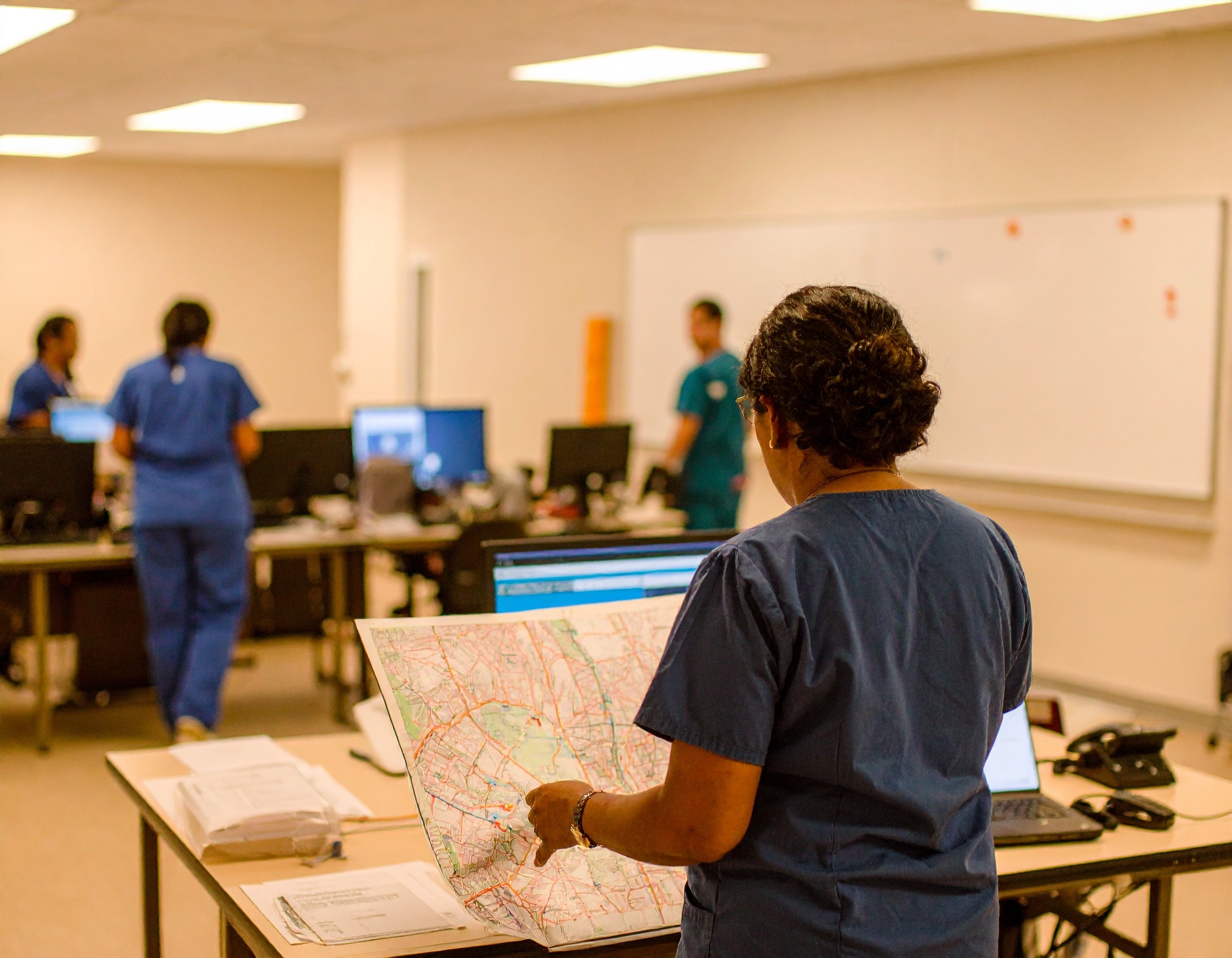
Hospital Backup Operations
Maintain access to essential systems when a hospital shifts to backup circuits, temporary command space, or contingency workflows during a power outage, provider event, or cyber attack. Hoplynk’s resilient connectivity preserves the network and enables coordination while the rest of the operation is under strain.

Temporary Care Expansion
Bring overflow spaces, pop-up treatment areas, and surge-response sites online fast with managed connectivity for clinical, administrative, and support workflows, all before permanent infrastructure could arrive.

Diagnostic Reachback
Preserve connectivity between distributed labs, imaging sites, and support locations that depend on enterprise platforms outside their own walls and subject to failure.

Regional Incident Coordination
Support communications among hospitals, command locations, EMS, and supporting agencies during disasters, mass-casualty incidents, or systemwide disruptions. Hoplynk’s connectivity solutions help absorb these simultaneous traffic spikes and transport shifts.

Explore Other Industries
Learn how Hoplynk serves other Distributed Enterprises
Multiple care sites with uneven network infrastructure — mixed fiber, broadband, LTE, and temporary-network conditions
Dependence on EHRs, imaging, pharmacy systems, and shared coordination tools
Limited technical communications staffing at many ambulatory and satellite facilities
Fast deployment for overflow, contingency, and backup operations
Fewer dropped sessions during failover, cutover, and degraded-link conditions
Less manual intervention from local site staff during connectivity disruptions
Fewer technician dispatches for routine stabilization and recovery
Cleaner scaling across expanding care footprints without matching growth in IT headcount
See how Hoplynk can preserve continuity across your distributed care network.
Contact us to request a private technical overview or discuss pilot deployments.