[ logistics ]
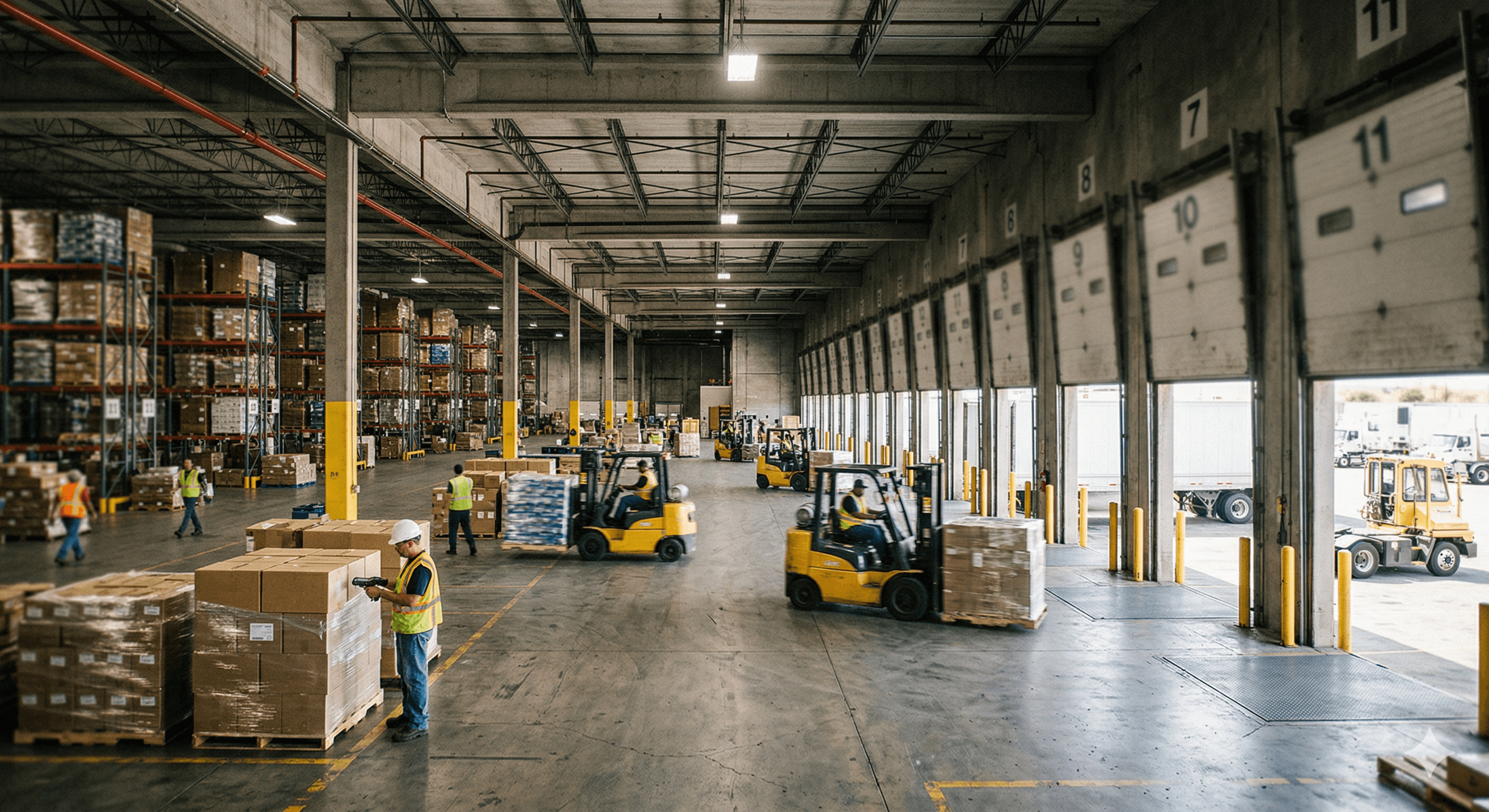
Freight does not wait for the network. When connectivity breaks between dock, yard, depot, and route, scans stop, inventory goes stale, and delays ripple through the operation. Squeezed site teams end up chasing dead zones instead of moving freight.
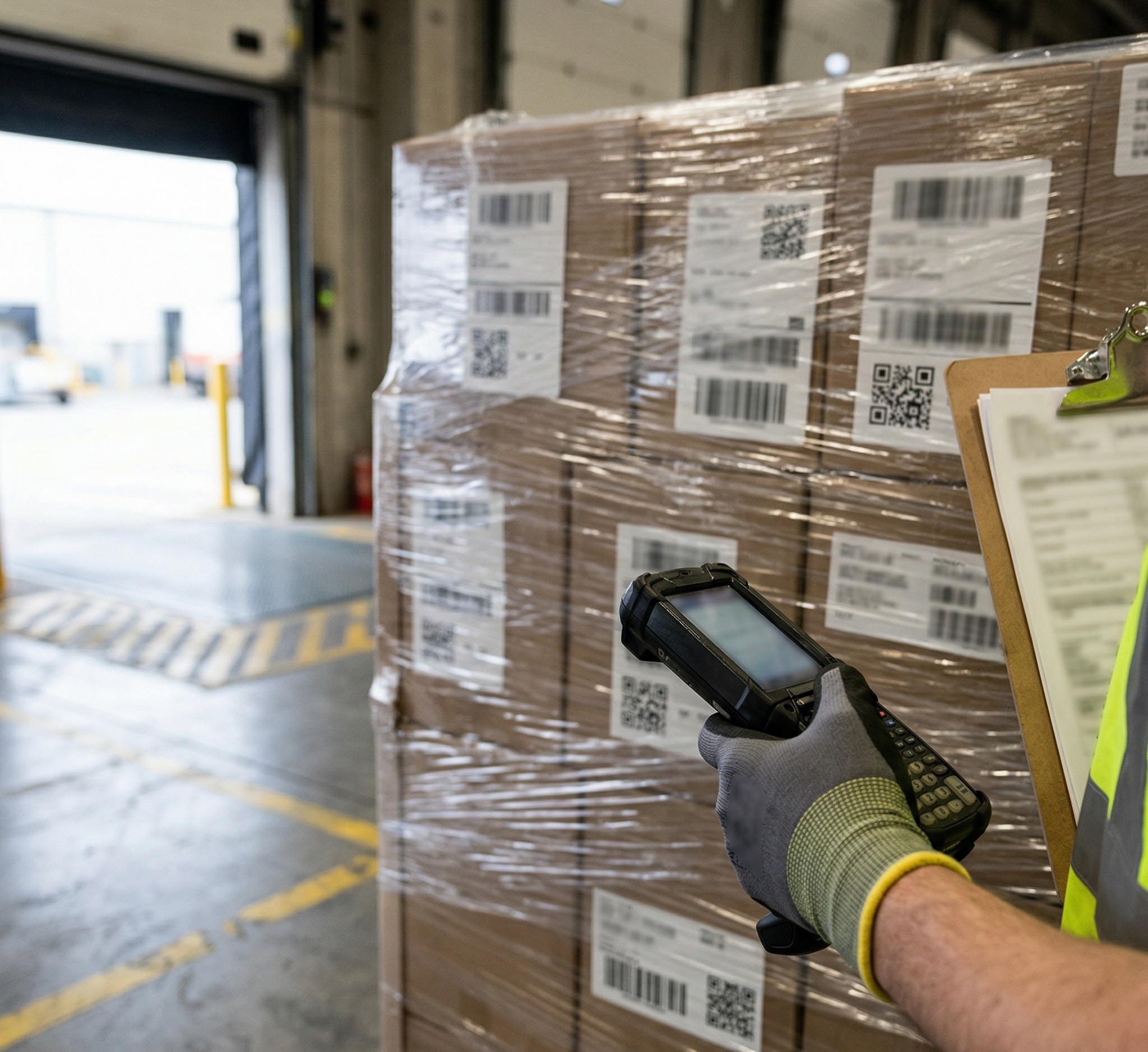
Hoplynk keeps depots and moving assets connected, preserving visibility and workflow continuity as conditions and demand change. With one managed connection, Hoplynk’s Hydra AI manages link quality and routes traffic across the right transports, keeping nodes online and shipments moving.
Dock-door handoffs break active sessions
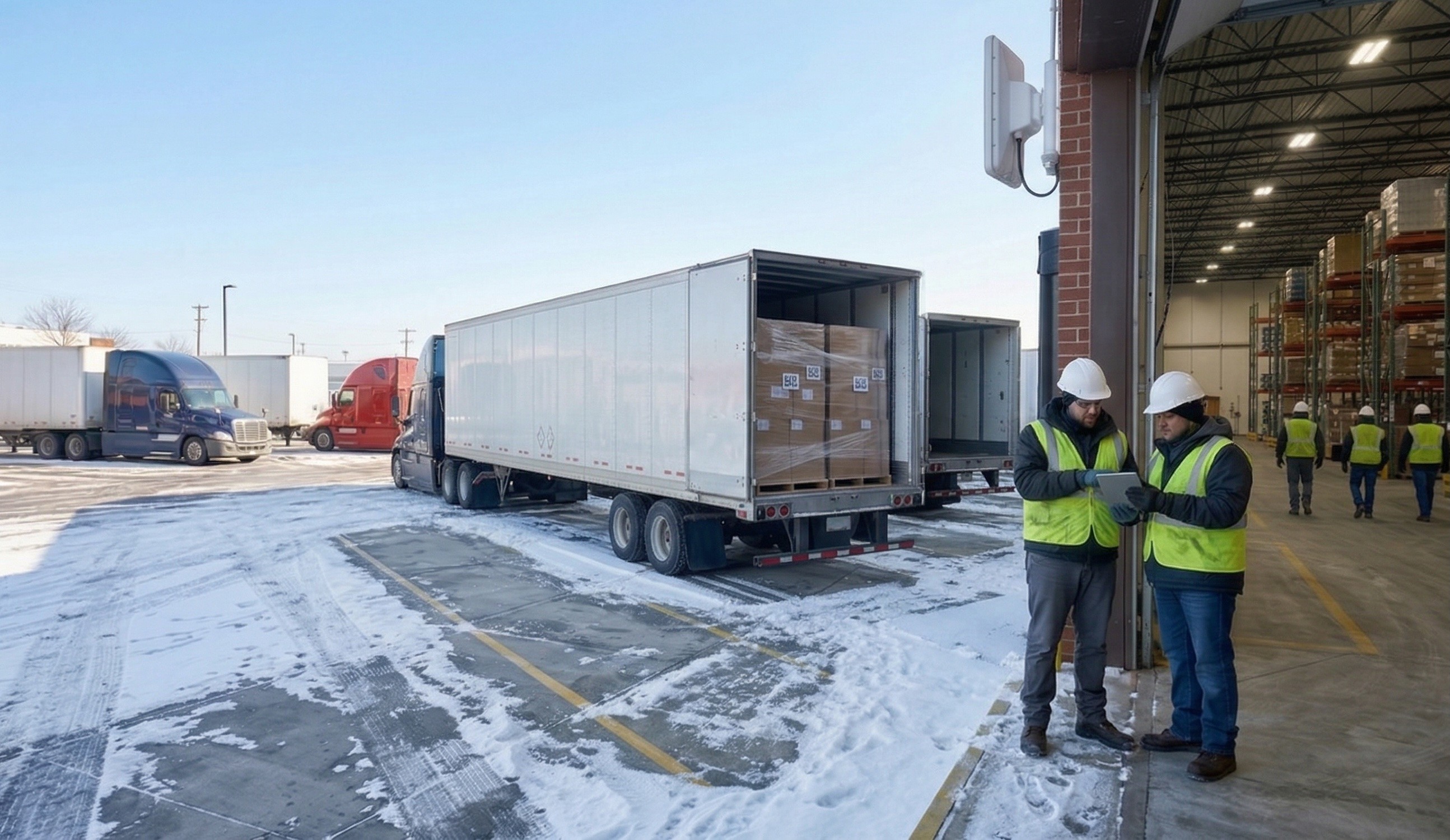
Coverage often fails at the boundary between warehouse Wi-Fi and yard or gate connectivity, stalling scan transactions, trailer updates, and gate workflows right when freight changes hands.
Shared backhaul collapses under peaks
Shift changes, inbound waves, sortation bursts, and guest or non-operational traffic can crowd one uplink and slow the workflows that keep freight moving.
Temporary sites inherit weak infrastructure
Overflow lots, annex warehouses, and seasonal depots open on whatever carrier, broadband, or local wiring is available — often not enough to handle variable demand.
Lean staffing
Site supervisors, transport crews, and local technicians end up rebooting gear, swapping links, or waiting on central IT when the network should be self-correcting to keep the operation flowing.
Hoplynk unifies dispersed logistics connectivity into one self-managing operational layer.
Learn how Hoplynk's solutions can work for your team.
Autonomous Network Management
Hoplynk's Hydra AI monitors link health across freight carriers, warehouses, yards, and depots, rerouting to avoid degraded links before local teams sink time on intervening.
Multi-Transport Resilience & Predictive Reliability
Hoplynk's integrated systems keep fixed broadband, cellular, satellite, and private wireless operating as one network when site conditions or backhaul quality change, resulting in seamless preemptive failover before congestion, weak signals, or failing backhaul turns into broken scan sessions, frozen dispatch screens, or stale inventory data.
Shared Backhaul Governance
Hoplynk's Argus enables IT teams to push policies across the whole fleet of routers, which can keep WMS, TMS, scanner, telematics, and yard-video traffic ahead of lower-priority demand during shift changes and trailer surges. Unified management ensures network stability for the whole chain.
Temporary Site Turn-Up
Argus pushes a repeatable configuration to overflow lots, annex warehouses, and seasonal depots so new nodes come online fast without a costly and slow bespoke local build.
Solutions For Your Team
See how Hoplynk can help solve your unique communications challenges.

Warehouse-to-Yard Handoffs
Keep scan events, trailer status, gate workflows, and yard coordination moving when work crosses from indoor coverage to outdoor lots, staging lanes, and vehicle-mounted links.
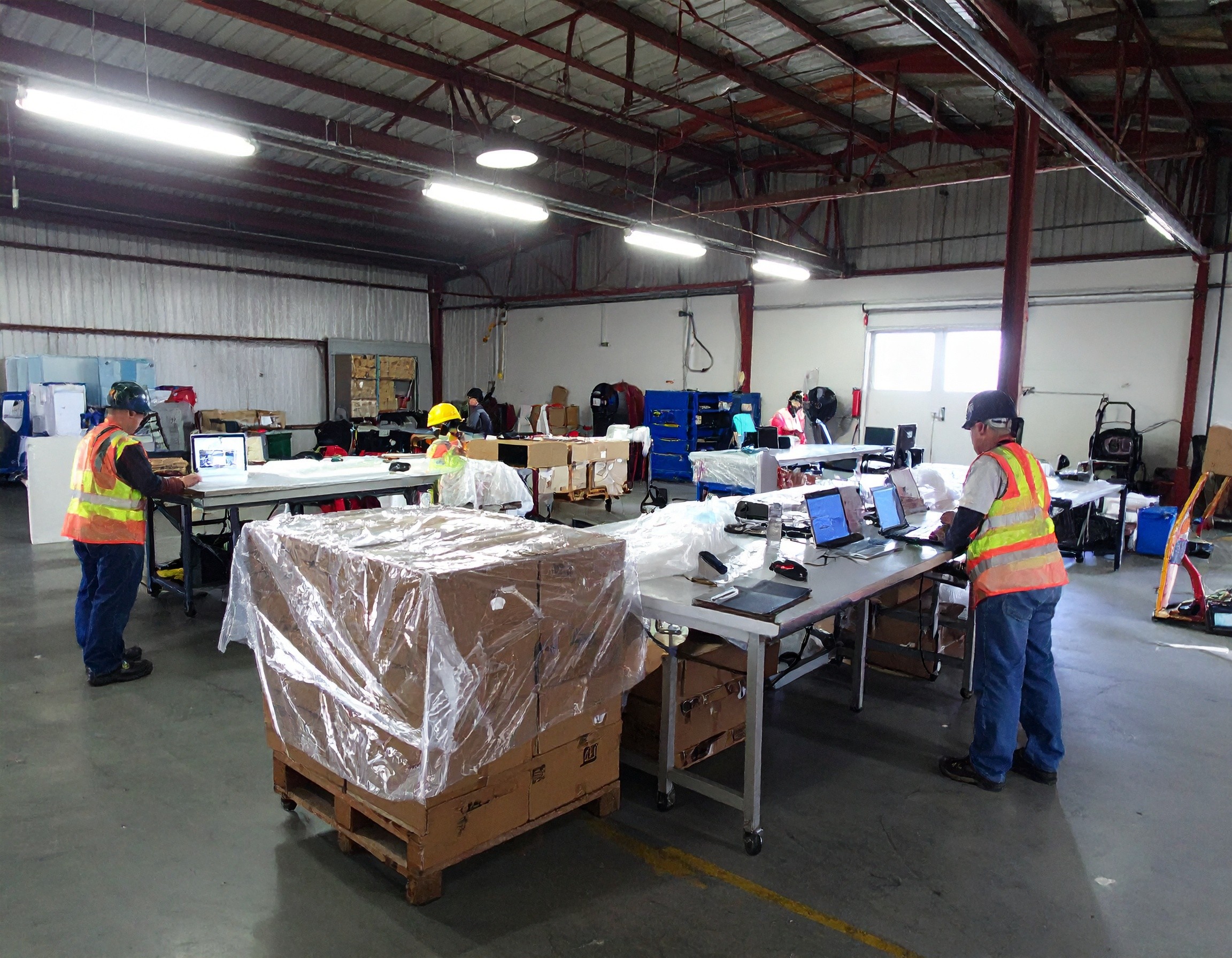
Overflow Site Turn-Up
Stand up repeatable connectivity at pop-up depots, annex warehouses, and seasonal overflow lots that start with limited backhaul and no local IT.
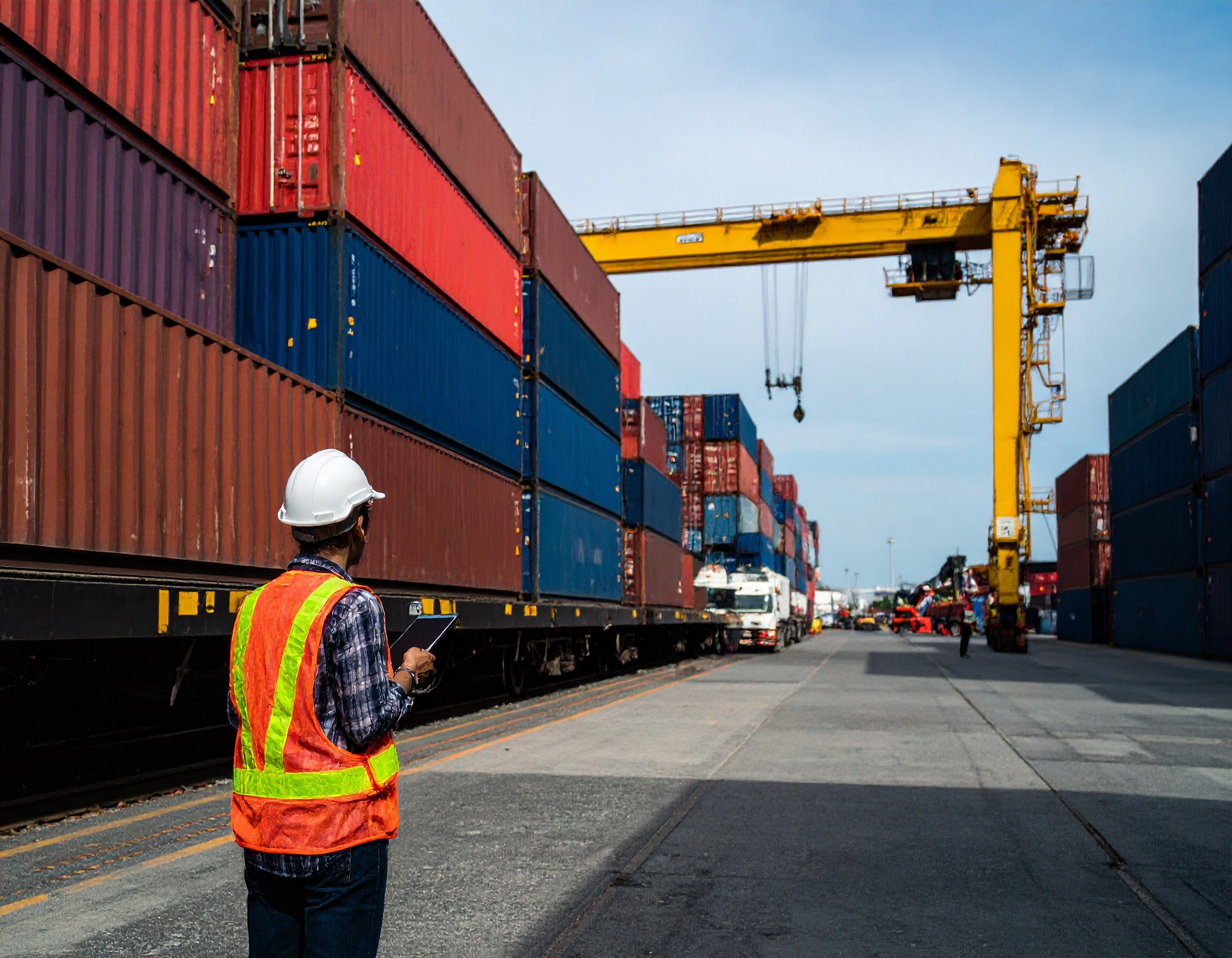
Rail and Intermodal
Support onboard applications, terminal coordination, and edge data flows across routes and hubs where coverage shifts between station, depot, and corridor, providing seamless connections across uneven link strengths.
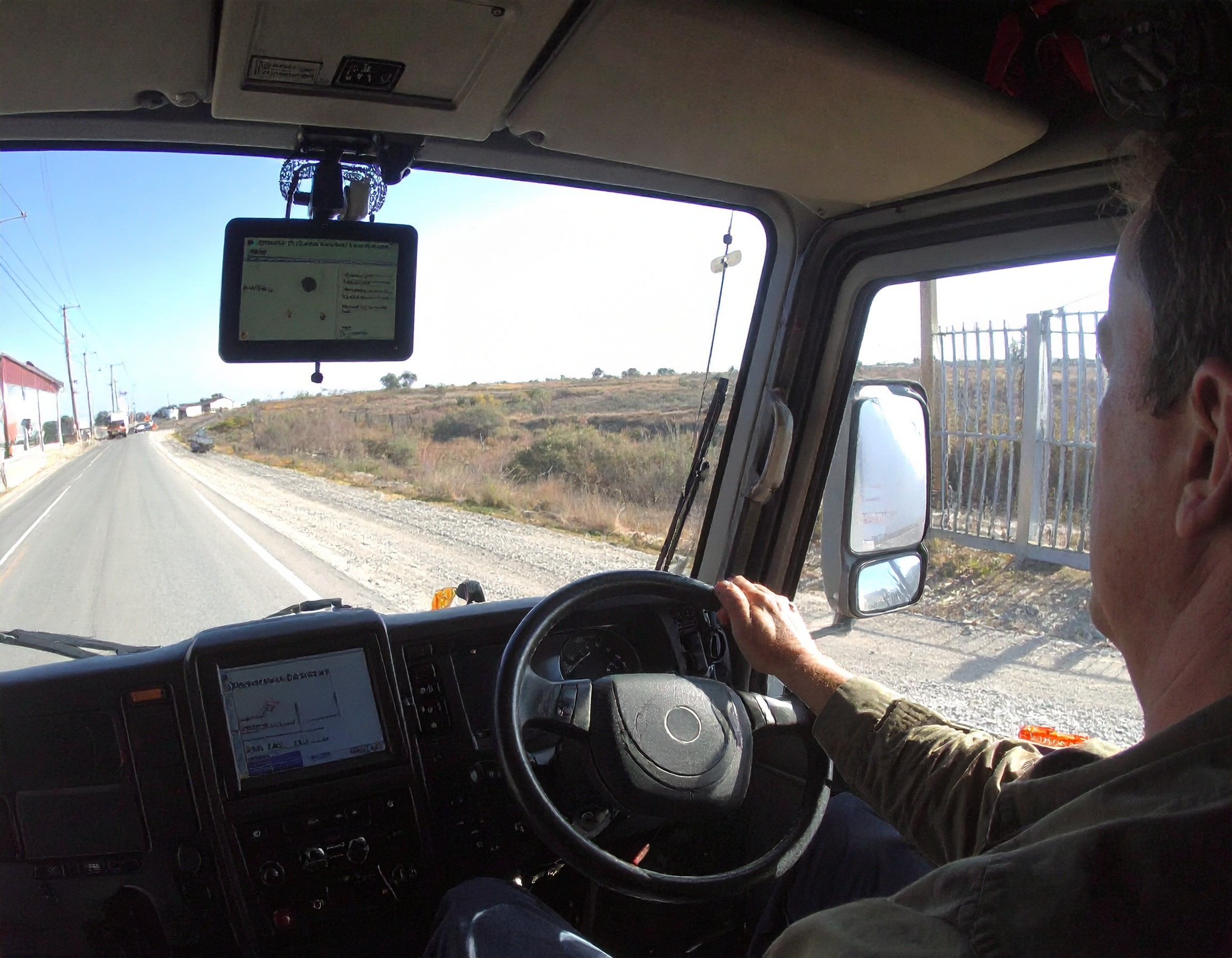
Fleet Route Continuity
Preserve dispatch, telematics, proof-of-delivery, and driver workflows when vehicles move between depot Wi-Fi and thin cellular, where dead zones and handoffs otherwise risk swallowing important communications.

Explore Other Industries
Learn how Hoplynk serves other Distributed Enterprises
Warehouses, yards, depots, and cross-docks that must operate as one fluid system via reliable communications
Indoor-to-outdoor coverage transitions at dock doors, gate lanes, and staging areas
Mixed traffic routing from scanners, tablets, cameras, telematics, automation, business systems, and crew
Temporary overflow sites, seasonal facilities, and new lanes with limited infrastructure and build-out time
Operations teams that cannot realistically place networking specialists at every link in the supply chain
Fewer dropped sessions during warehouse, yard, and route handoffs
Less manual failover when primary backhaul degrades or a temporary site comes online
Faster rollout of overflow capacity with uniform site standards
Fewer technician trips for troubleshooting when connections break
Better ability to scale sites, routes, and programs without matching growth in IT headcount
See how Hoplynk can keep warehouse, yard, and route operations moving.
Contact us to request a private technical overview or discuss pilot deployments.