
[ Educators & Field Researchers ]
Teaching and research are dynamic. Educators and researchers in the field work across buses, mobile libraries, temporary classrooms and field stations where the internet is slow and cellular is weak. Without a stable connection, modern instructional tools that enable collaboration and cloud access freeze and learning stops.

Hoplynk provides portable, vehicle-ready networking that brings those remote educational sites online quickly and keeps them stable. Our devices provide satellite connectivity and combine with cellular, Wi-Fi, and wired connections to create one network, keeping learning, data collection, and coordination matching the pace of the work, not the other way around.
Route-based handoffs interrupt sessions
Mobile classrooms and bus-based programs move between depot Wi-Fi, roadside cellular, and dead zones that break access mid-route and interrupt data transfer.
Borrowed infrastructure fails under load
Temporary classrooms, outreach sites, and community venues often depend on weak Wi-Fi or unprovisioned cellular, gutting cloud service functionality.
Field uploads are intermittent and unforgiving
Sensor logs, imagery, mapped observations, and shared datasets create short windows of upstream demand that otherwise fragile links absorb shocks and lift heavy amounts of data.
Small teams cannot carry field IT
Outreach staff, librarians, and research crews need systems that start fast and stay stable without an IT specialist on site.
Hoplynk brings dependable, low-friction connectivity to learning and research wherever work takes place.
Learn how Hoplynk's solutions can work for your team.

Autonomous Network Management
Hoplynk's Hydra AI continuously measures link health and adjusts routing and failover without manual intervention taking time away from student contact or research work.
Multi-Transport Resilience & Predictive Reliability
Hoplynk's integrated systems combine Starlink, cellular, Wi-Fi, and wired access to operate as one managed network, prioritizing instruction, sync, and field data accordingly across different links to ensure time-sensitive traffic doesn’t get lost.
Fleetwide Visibility
Hoplynk's Argus gives program leaders status, policy control, and remote updates across buses, field kits, and temporary sites to have the certainty that network trouble isn’t interfering with learning objectives.
Zero-Ops Deployment
Small teams of educators or researchers can power on, connect, and operate without traveling IT support or site-by-site tuning.
Solutions For Your Team
See how Hoplynk can help solve your unique communications challenges.

Connected Bus Routes
Vehicle-mounted nodes keep student access, GPS, and remote device updates available across routes where coverage quality changes with cellular coverage patterns, keeping students connected and the fleets synchronized.

Mobile Library Stops
Community Wi-Fi, staff systems, and public computers stay usable from library vehicles without depending on a hardwired network at every stop.

Edge School Operations
Schools beyond dependable broadband often run instruction, staff systems, device sync, and community access over just one link, or none at all. Hoplynk’s devices keep classroom platforms, attendance, and shared devices online by shifting traffic across satellite, cellular, Wi-Fi, and wired paths.
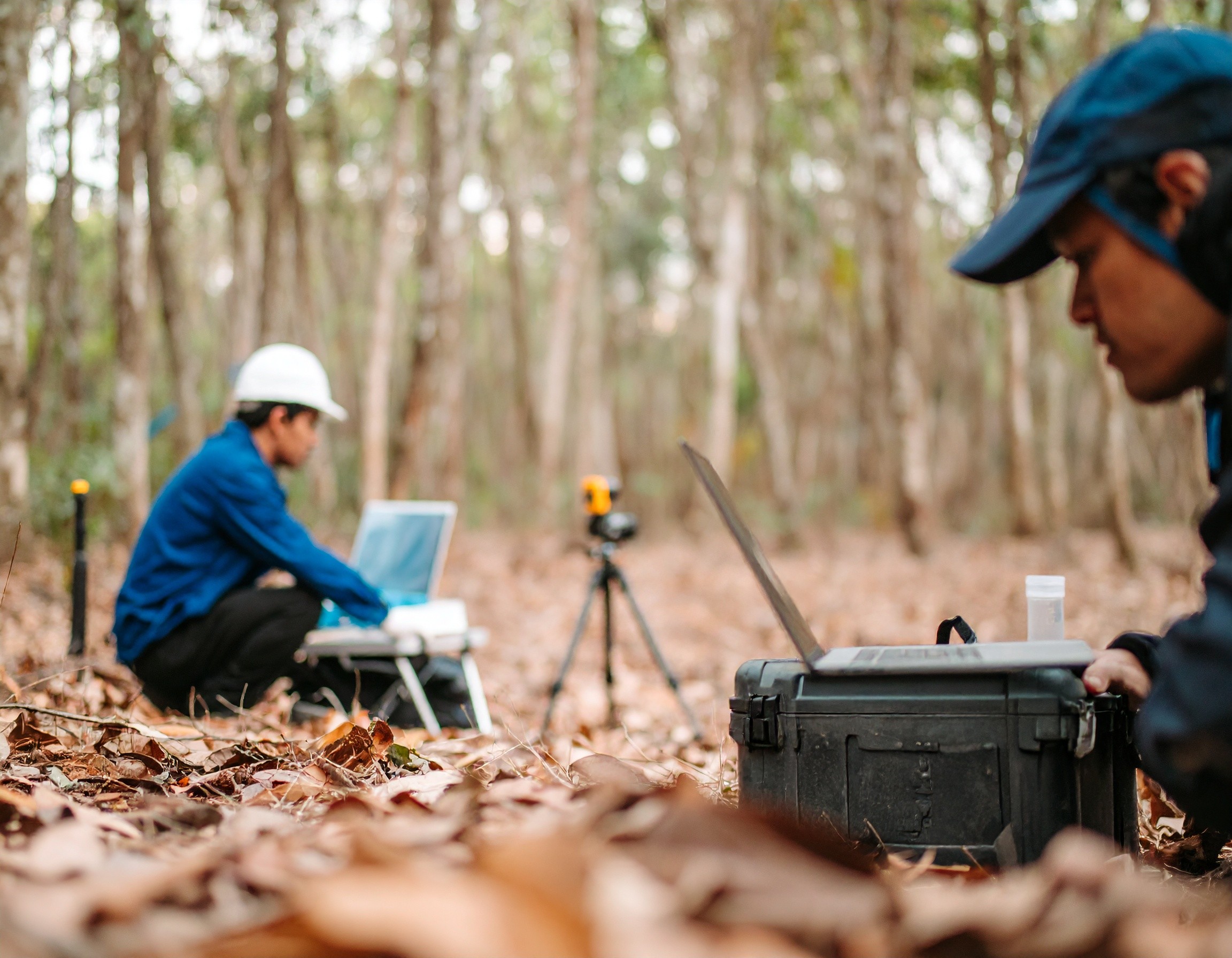
Research Data Backhaul
Small research teams keep sensor readings, observations, and batch uploads moving from remote plots, forests, and seasonal stations where wired backhaul is unavailable.
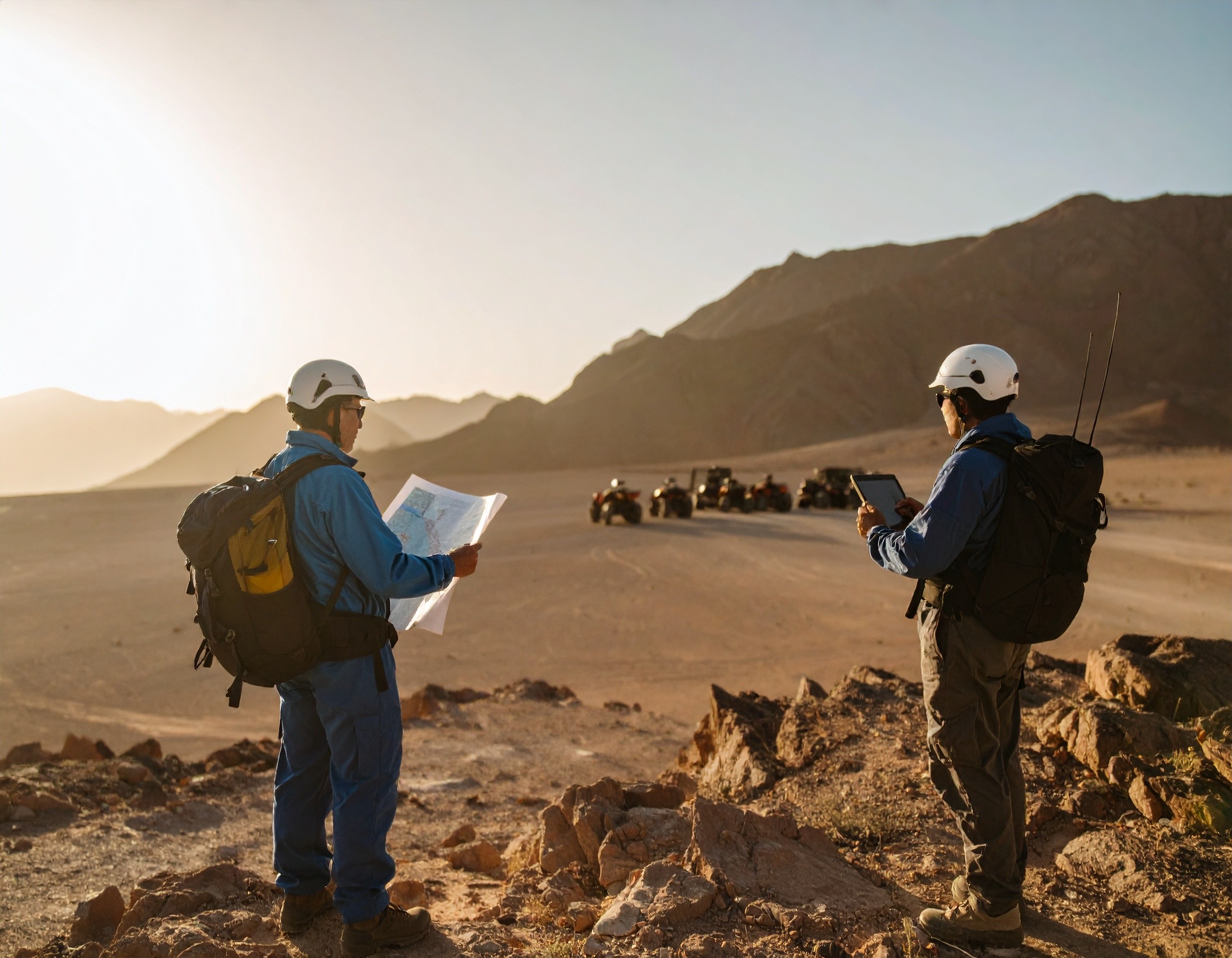
Field Safety & Coordination
Cloud services access, maps, and messaging remain available to crews working in remote terrain where weather, distance, and intermittent coverage complicate coordination by disrupting connectivity.

Explore Other Industries
Learn how Hoplynk serves other Mobile Connected Individuals
Temporary, mobile, or expeditionary sites becomes research-capable with connectivity from Hoplynk’s devices
Autonomous networking frees small teams from bloating with dedicated IT staff
Supports a technical reliance on cloud tools, sensor data, and shared records
Withstands and routes traffic around variable terrain, weather, infrastructure, and changes in connection
Connects students, teachers, researchers, and all their tools quickly
Reclaims valuable research and teaching hours by avoiding ad hoc hotspot workarounds for short-term sites
Extends one repeatable network setup across buses, library vehicles, and field kits
Reduces admin and network overhead caused by troubleshooting fragile local infrastructure
Gives central teams remote policy control instead of site-by-site reconfiguration
Explore how Hoplynk can support learning and discovery at the network edge.
Contact us to request a private technical overview or discuss pilot deployments.