[ Humanitarian & Disaster Response ]

Partial recovery is unstable
The links that survive a disaster are often weak, asymmetric, and congested, which causes uploads, video, and browser sessions to fail unpredictably, frustrating effective responses.
Dynamic response geometry
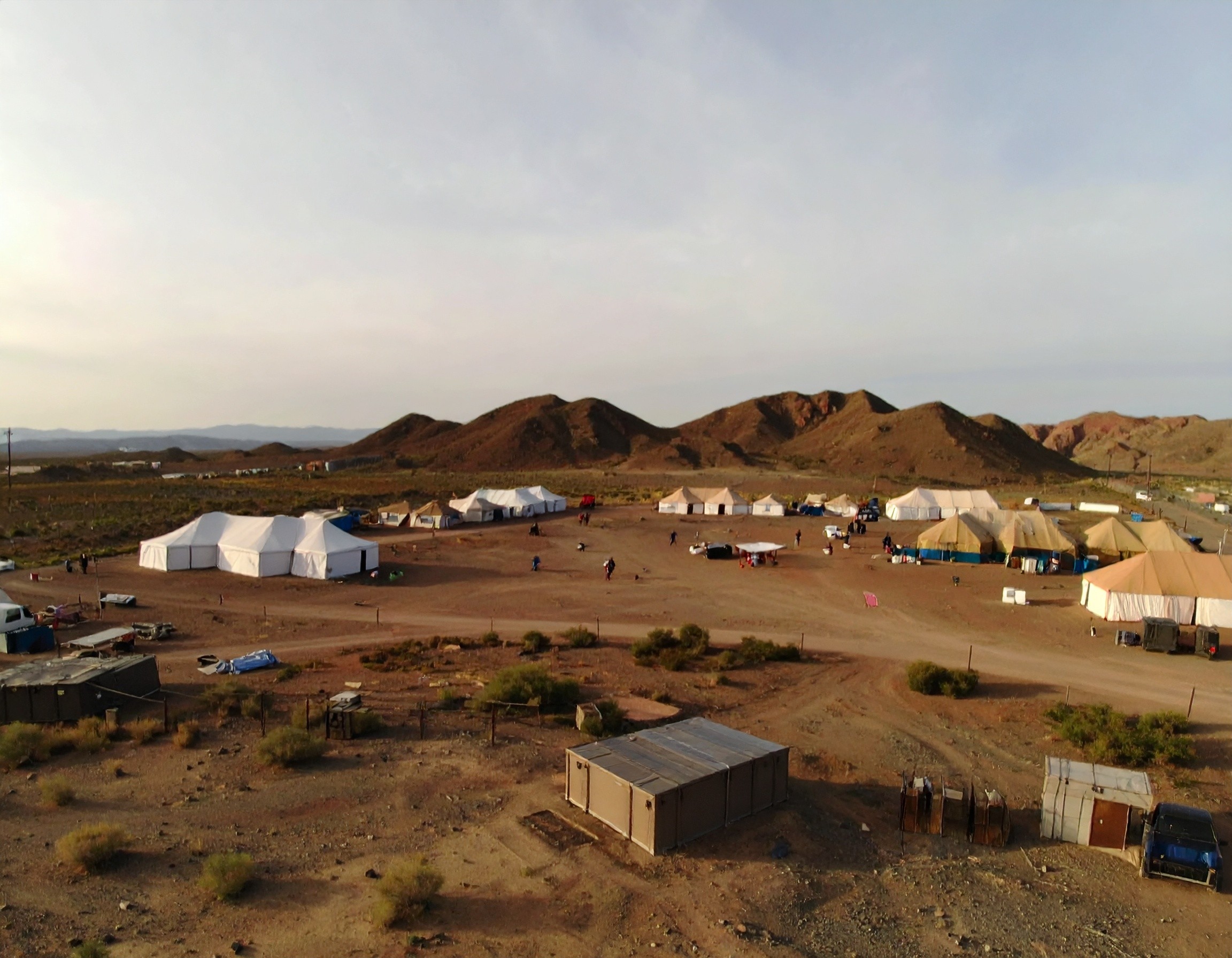
Shelters, clinics, command vehicles, and assessment teams create rotating edge sites rather than one fixed incident network, complicating the networking requirements beyond just plugging in to the wired internet.
Critical workflows are session-sensitive
Registration, case management, referrals, telemedicine, pharmacy access, and aid tracking break when weak edge links drop mid-task.
IT headcount is spread thin
Single-transport backhaul, manual carrier switching, or reliance on technician support can’t scale across a live, widespread incident.
Hoplynk brings rapid and resilient connectivity to the places where response work is hardest to coordinate.
Learn how Hoplynk's solutions can work for your team.
Autonomous Network Resilience
Hoplynk's Hydra AI continuously measures link quality and adjusts path weights across available transports before responders experience a failure.
Multi-Transport Resilience
Hoplynk's integrated systems use satellite, cellular, Wi-Fi, mesh radio, and surviving wired access as one operational network instead of separate manual fallbacks.
Fleetwide Visibility
Hoplynk's Argus control panel shows link status, node health, and routing policy across shelters, vehicles, clinics, and command sites from one control plane, enabling live insights at the micro or macro level of an incident.
Zero-Ops Deployment
Hoplynk’s portable nodes can be brought online quickly for teams without IT specialists.
Predictive Reliability
Session-sensitive traffic such as registration portals, voice, mapping, clinical coordination, and live video moves off degrading network links before resets and timeouts interrupt service.
Solutions For Your Team
See how Hoplynk can help solve your unique communications challenges.
Shelter Registration
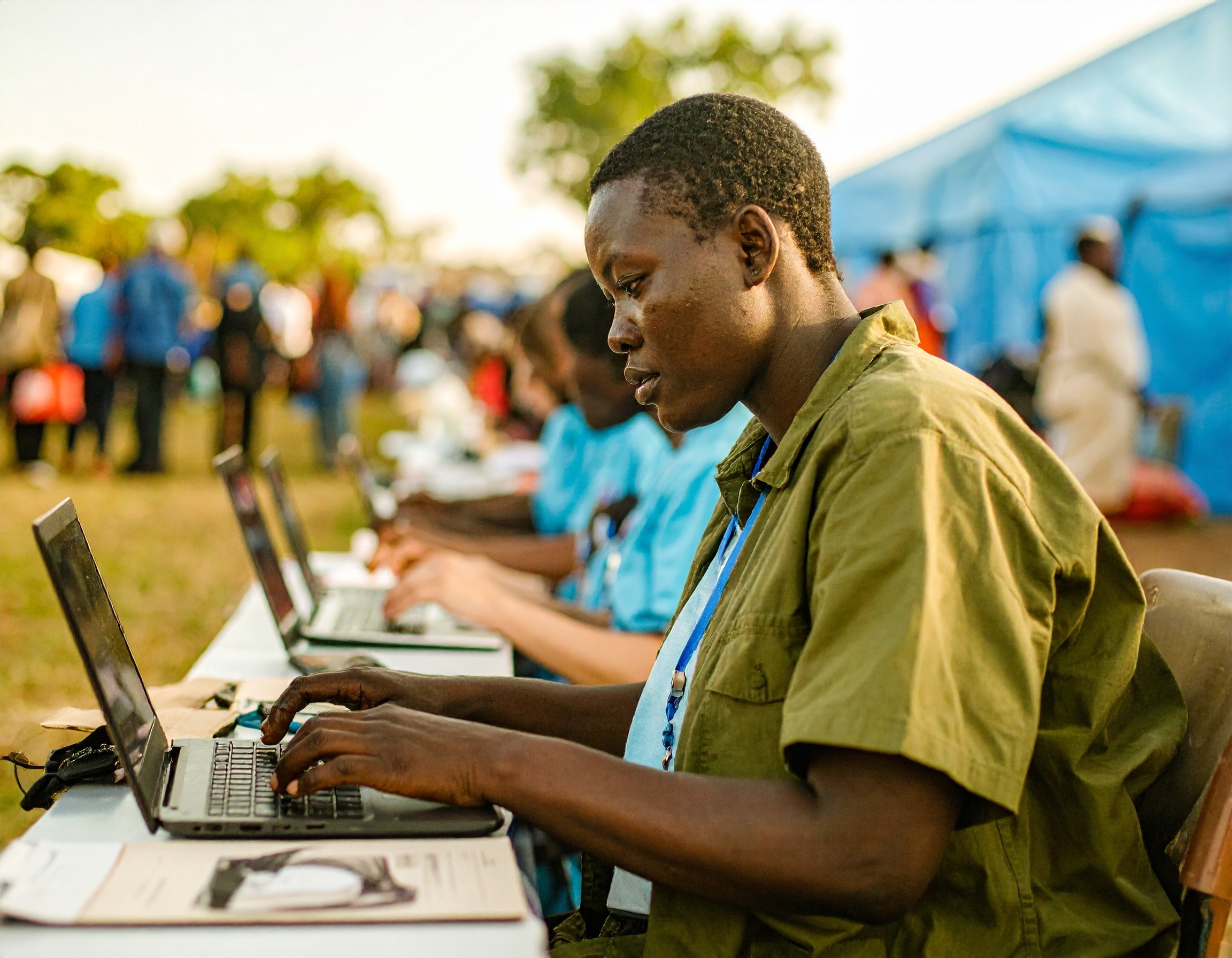
Hoplynk’s battery-powered, portable field cases keep survivor intake, case management, and staff coordination online across shelters and relief hubs where power is unstable and local connectivity is uneven.
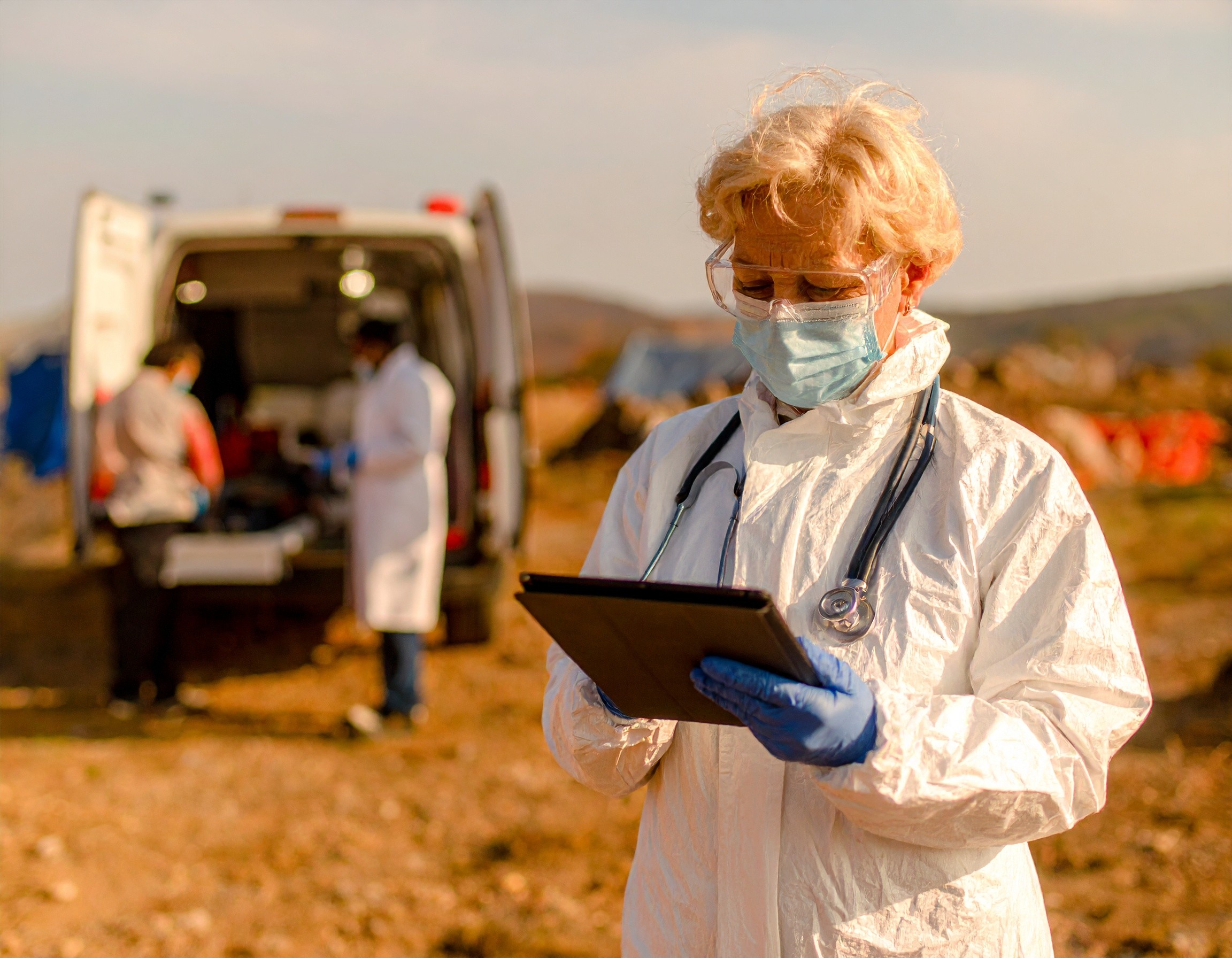
Mobile Medical Teams
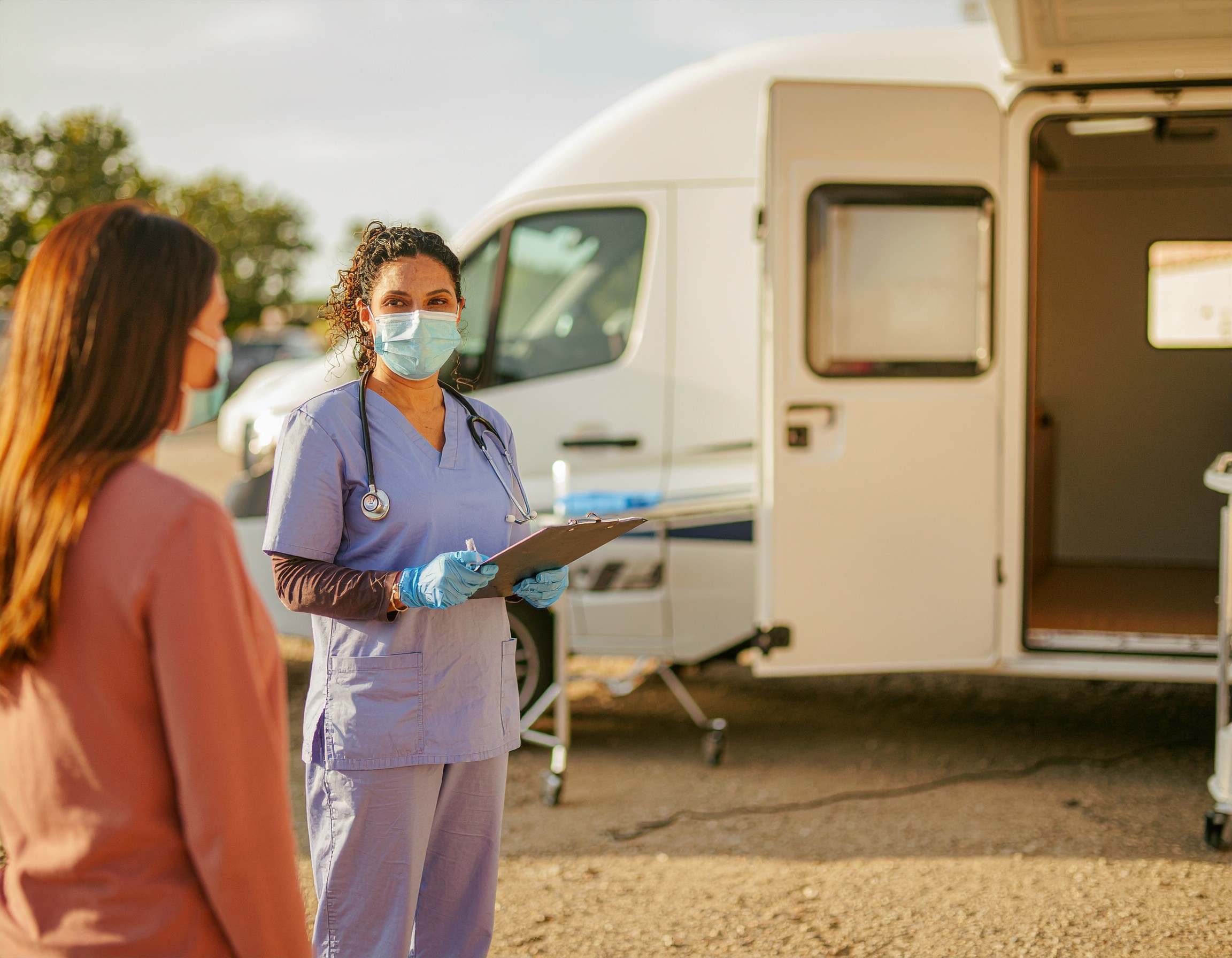
Forward clinics and vehicle-mobile teams need to maintain a stable connection to best view triage, referrals, imagery, and staff safety as they move between stops or operate from temporary treatment sites, switching links along the way.
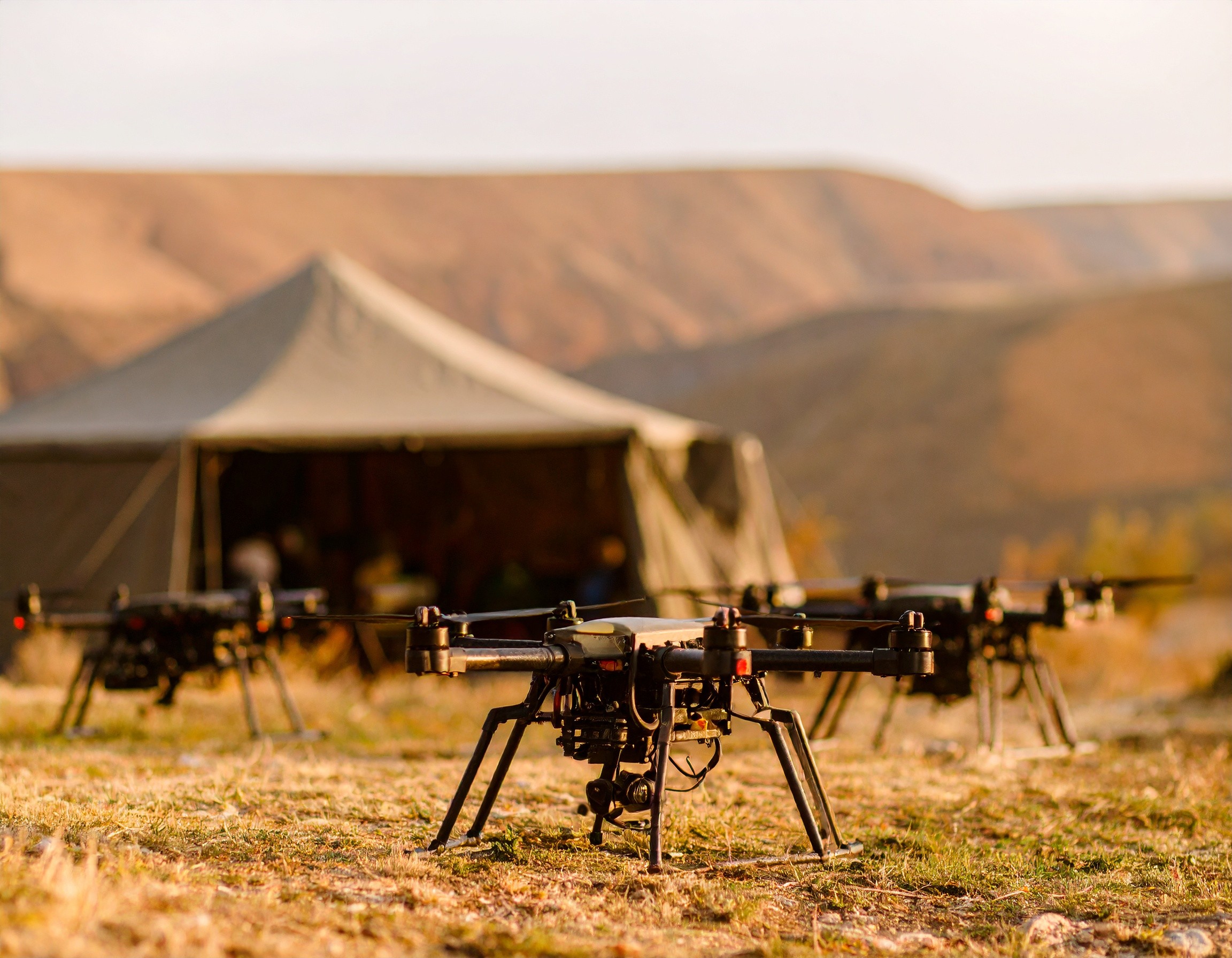
Aerial Damage Mapping
Command vehicles with ruggedized cases backhaul live drone video, maps, and restoration data on a high-throughput, managed connection to ensure that assessment teams can process the data into response plans.
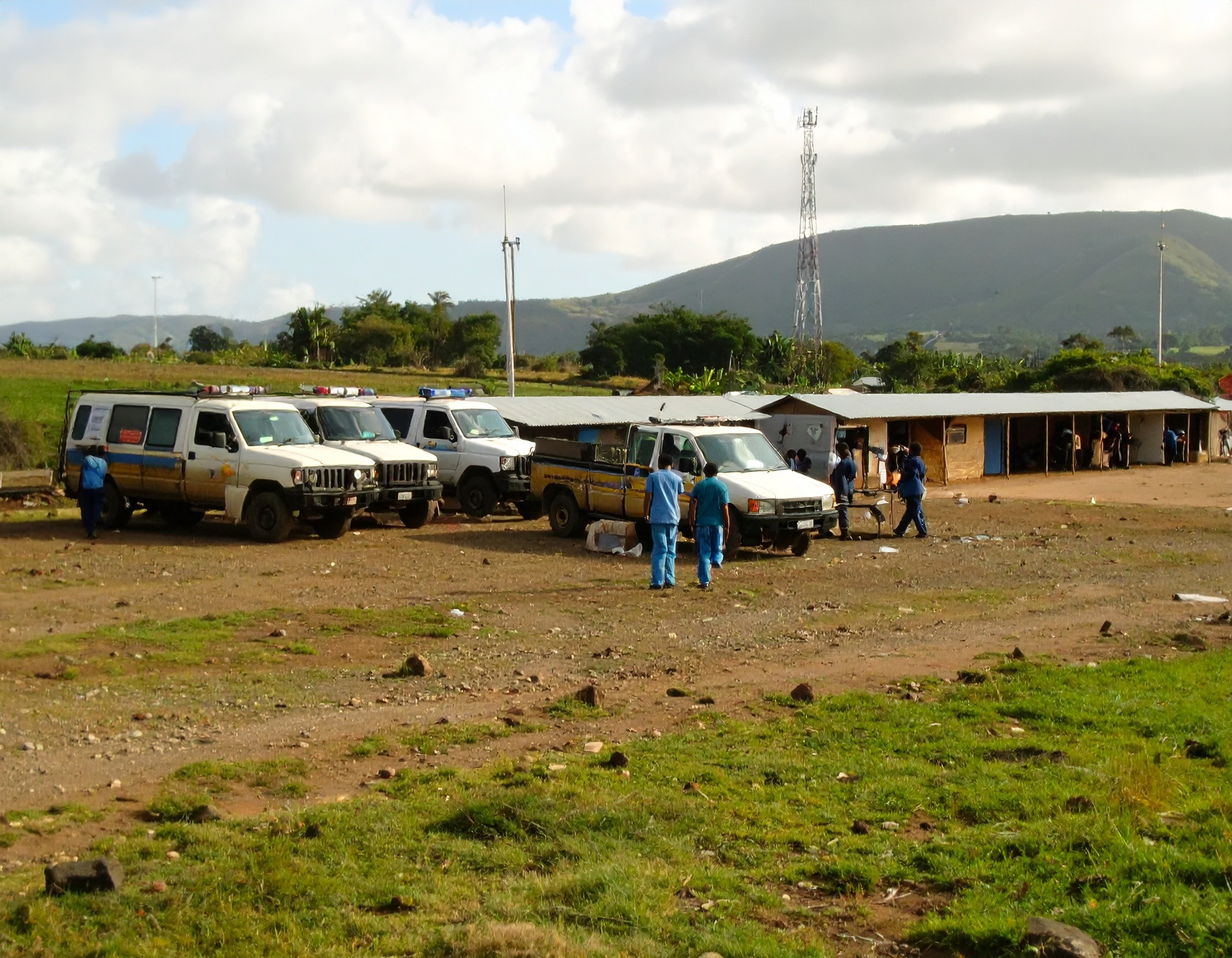
Aid Convoys
Vehicle-mounted and portable nodes preserve coordination, location updates, and shared applications across convoy halts, rural distribution points, and coverage gaps without manual toggling between cellular and satellite, so responders can focus on providing aid to those that need it.
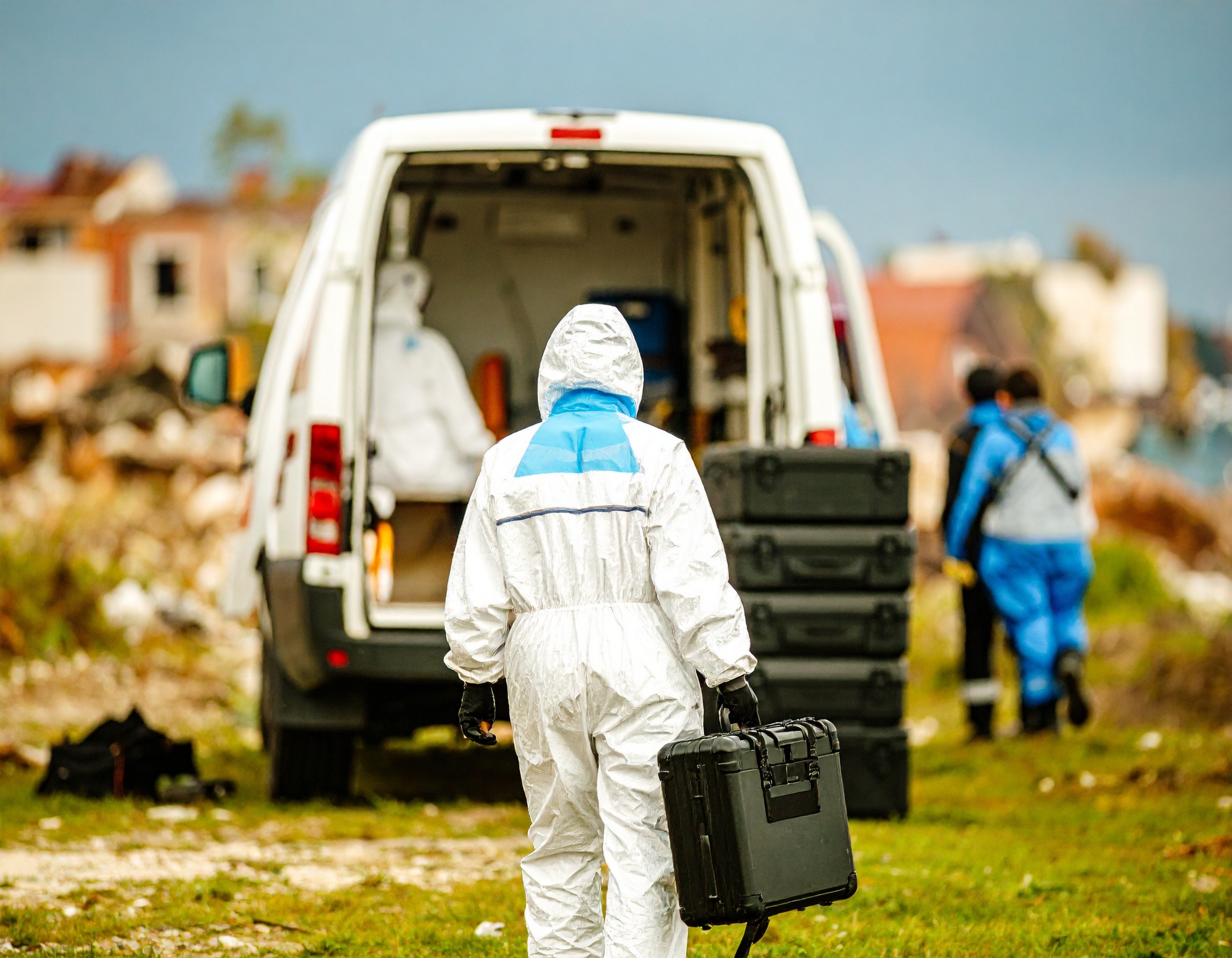
Standby Continuity Kits
Prepositioned kits can replace failed fiber or last-mile ISP links at emergency operations centers, clinics, pharmacies, or state/local government sites in minutes instead of waiting for a carrier fix when disaster strikes, facilitating golden hour emergency response times.
Explore Other Industries
Learn how Hoplynk serves other Mobile Connected Individuals
Fast setup in vehicles, shelters, or just about anywhere with little to no local traditional infrastructure or IT support
Rapid site activation when response geometry changes mid-incident
Better continuity for the workflows that stall due to disaster-disrupted infrastructure
Plug and play deployment when time matters most
Keeps teams connected as infrastructure degrades or changes
Reduces the need to mobilize several IT specialists in the field when disaster strikes
Supports continuity across dynamic disaster response locations
One monitoring and policy model that scales from a single field node to an entire response network
Explore how Hoplynk can support faster, more resilient response operations.
Contact us to request a private technical overview or discuss pilot deployments.