[ Maritime operators ]
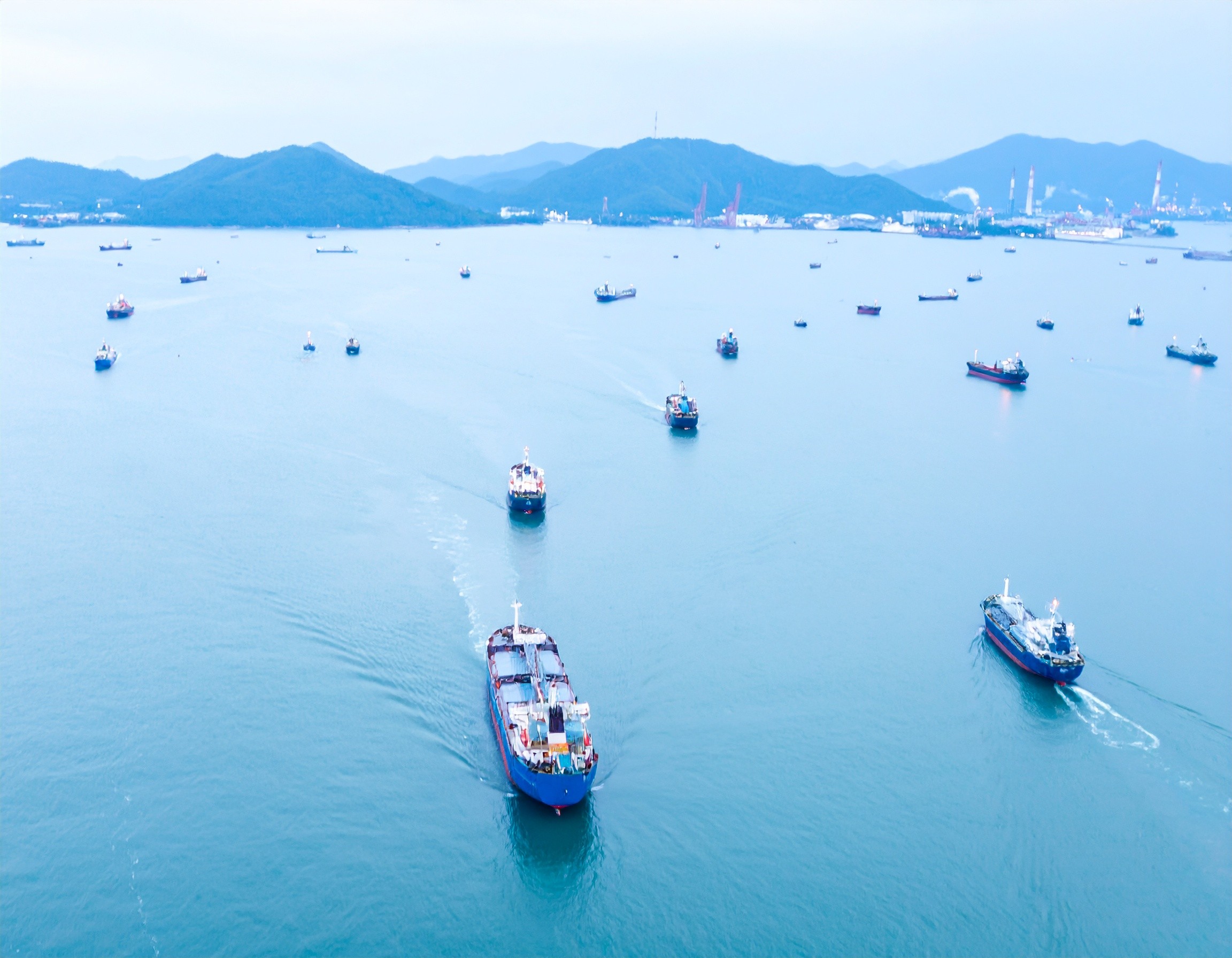
The links that power maritime operations change with every route segment. Trading coastal for offshore connectivity often breaks sessions at the worst time. Reporting, coordination, crew services, and onboard operations all get strained when connectivity lapses.
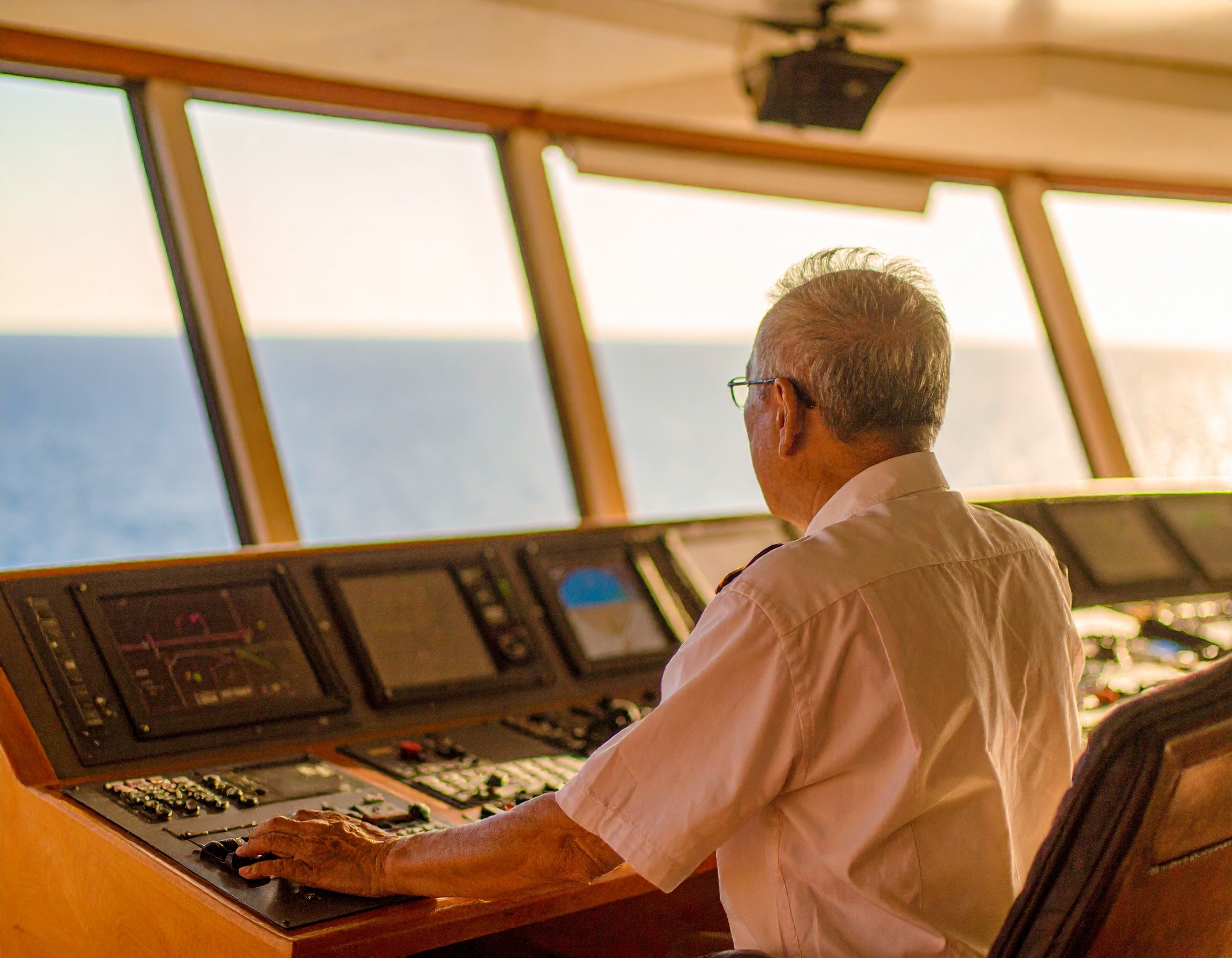
Hoplynk’s rugged devices intelligently combine the power of Starlink, Cellular, and shore WiFi to provide one supercharged local network powering your vessel’s connectivity needs. Our embedded AI-tools replace the need for onboard IT crew, responding to your voice or text commands to manage your connection strength, security, and reliability — that allows your crews to keep reporting, coordination, and onboard services online without manual link switching.
Shore-to-sea handoffs interrupt live work
Port Wi-Fi, coastal cellular, and offshore satellite connections fail under varying conditions, and transitioning between them can break sessions mid-task.
Operational and crew traffic share the same backhaul
Data flowing to support navigation, reporting, welfare access, passenger services, and business systems all have to contend for constrained bandwidth.
Sea state and route conditions change performance fast
Factors like weather, vessel motion, congestion, and distance from shore can degrade link quality before a human operator on board can react, disrupting your connection.
Onboard technical depth is limited
Vessels need communications continuity without bringing specialist comms staff to sea, or turning crew members into ad hoc IT support.
Hoplynk unifies maritime transports into one adaptive communications layer.
Learn how Hoplynk's solutions can work for your team.
Autonomous Network Resilience
Hoplynk's Hydra AI continuously measures link health and adjusts routing so crews are not manually chasing the best path during a voyage.
Multi-Transport Resilience & Predictive Reliability
Hoplynk's integrated systems blend satellite, cellular, Wi-Fi, radio, and even wired shore access into one operating connection across zones — you don’t feel the interruption when conditions change and one link drops, making a dropped report, broken dashboard, or stalled ship-to-shore session.
Fleetwide Visibility
Hoplynk's Argus dashboard gives you one view of overall vessel status and location, user group consumption or prioritization, and which transport links are healthy or degrading — from a single ship or as large as a distributed fleet.
Solutions For Your Team
See how Hoplynk can help solve your unique communications challenges.
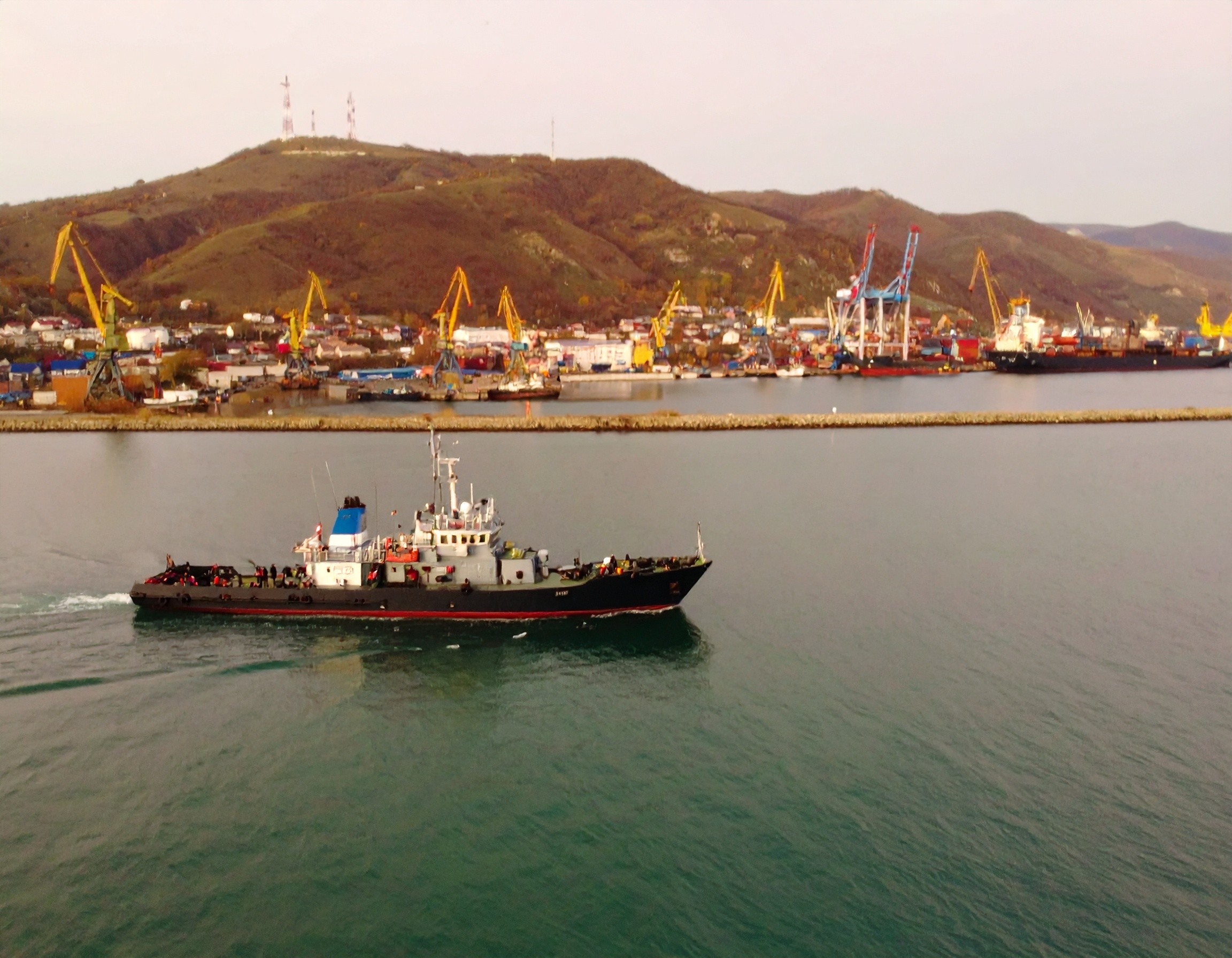
Harbor Exit Continuity
Hoplynk’s smart routing preserves session continuity before harbor exit exposes the port Wi-Fi, coastal LTE, or satellite as the weakest path, keeping navigation and communications online.

Hybrid Fleet Stacks
Long-route fleets increasingly carry VSAT, LEO terminals, LTE, and onboard Wi-Fi at the same time. Hoplynk synthesizes that mixed transport stack into one managed operating layer, eliminating the need to manually switch across vessels, routes and zones.
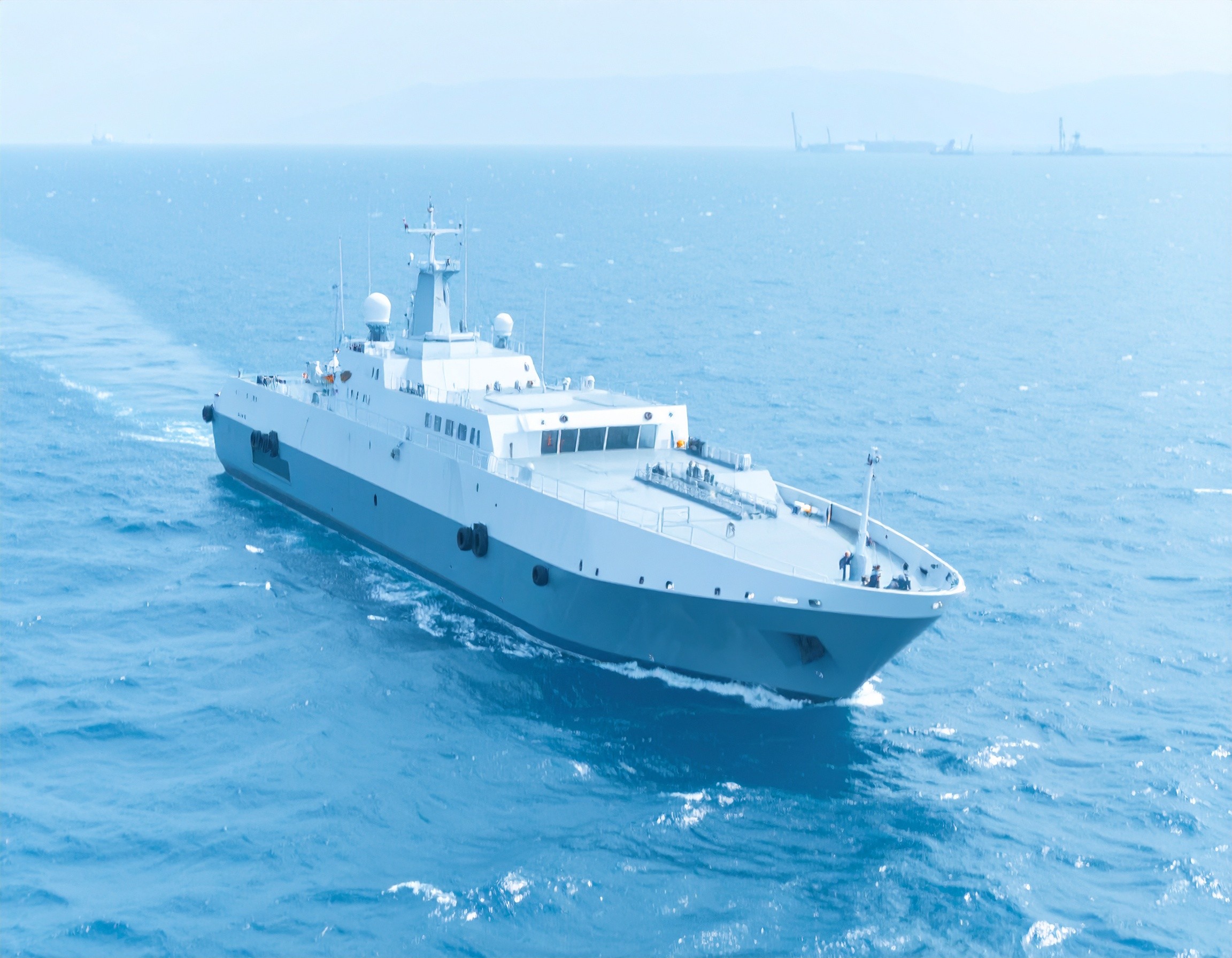
Remote Vessel Connectivity
Autonomous barges, survey craft, and lightly crewed vessels need steady ship-to-shore data for remote monitoring, supervisory control, and shore-side support. As coverage and bandwidth shift throughout voyages, Hoplynk’s resilient routing keeps telemetry flowing through the optimal link paths.
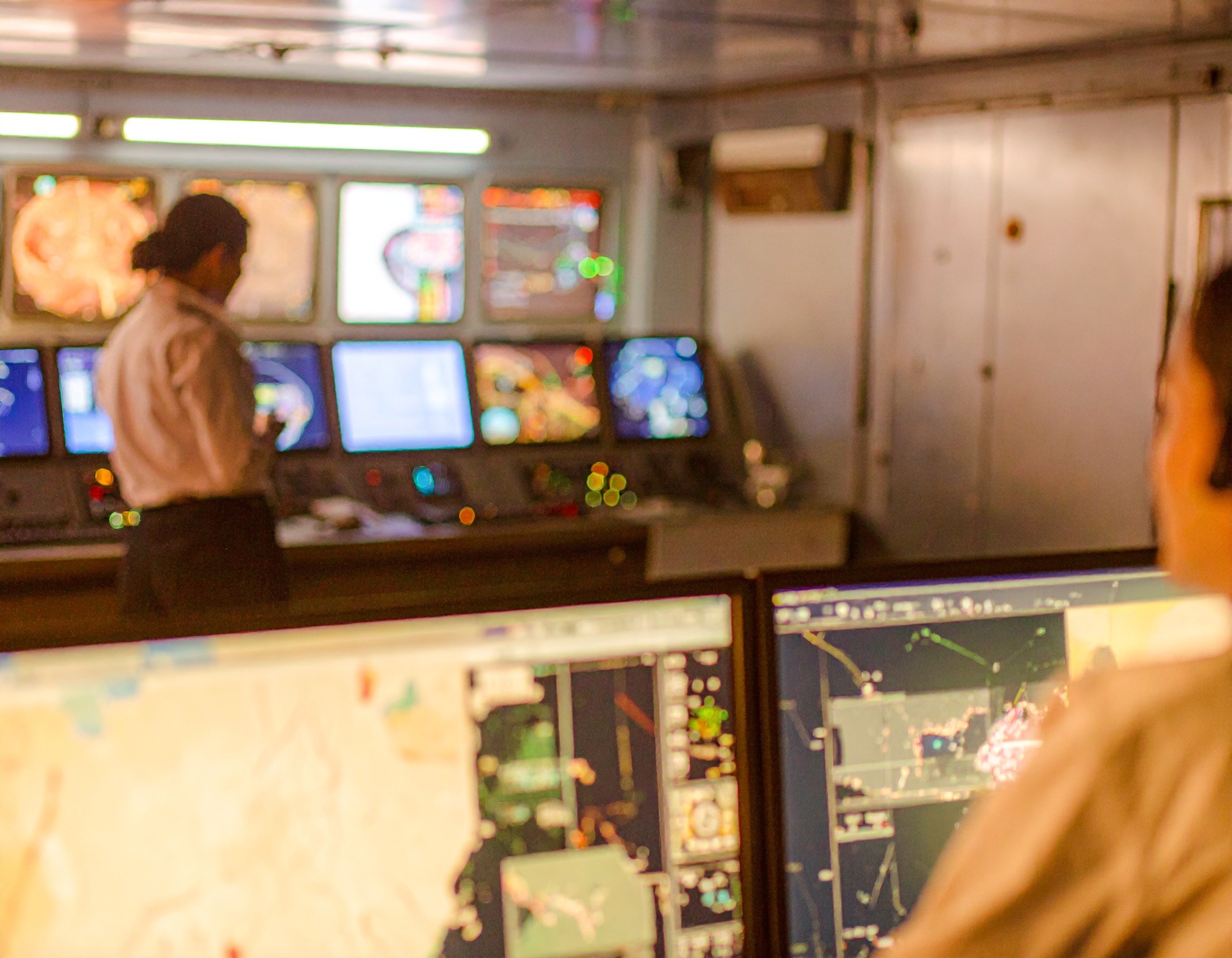
Crew & Operations Split
Crew welfare traffic rides the same backhaul as reporting, cloud apps, and onboard business systems data. Hoplynk’s devices enforce policy and transport priorities so crew access does not crowd out critical operational traffic when bandwidth ebbs.
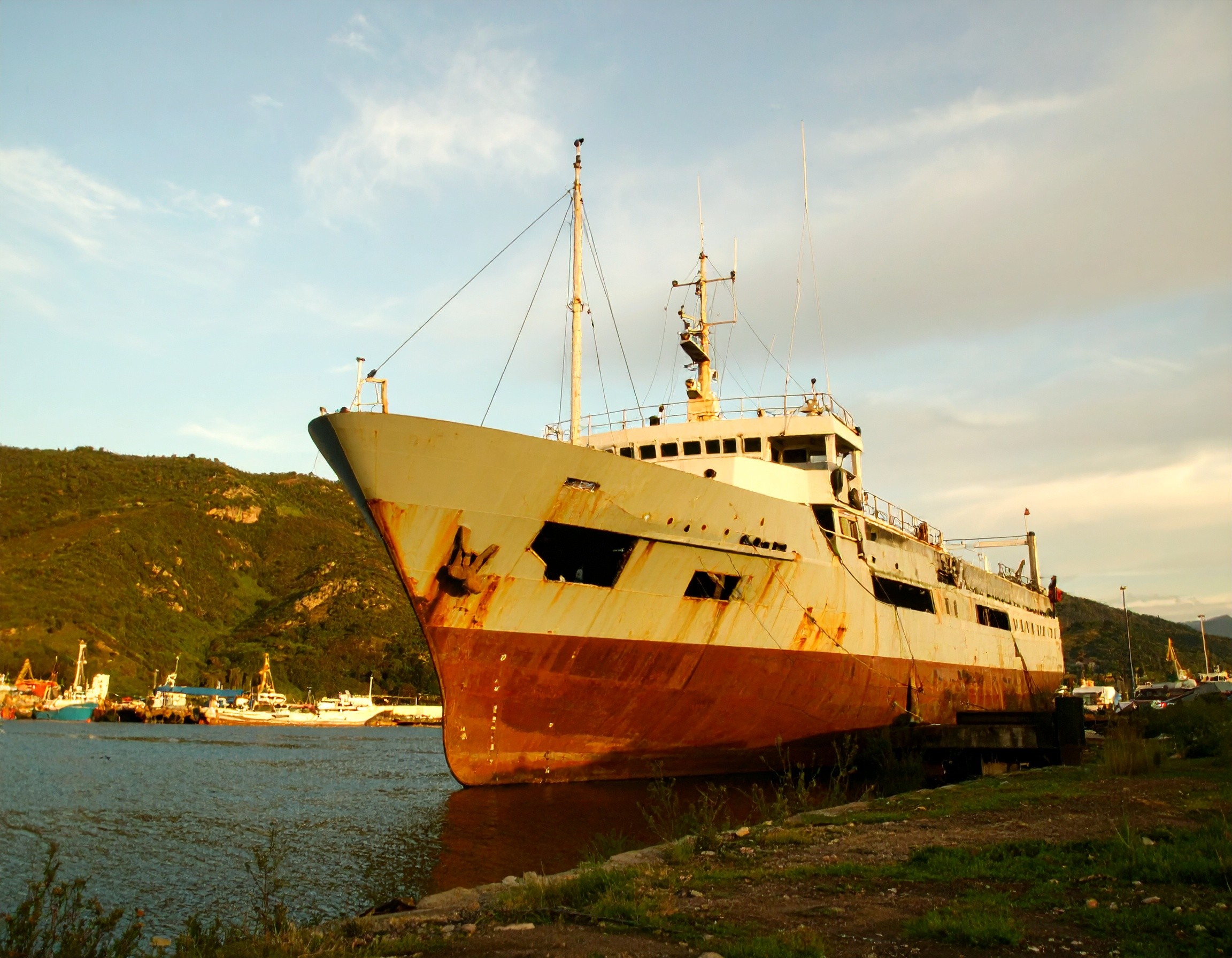
Refit-Heavy Vessel Upgrades
Yachts, ferries, and commercial vessels are often upgraded piecemeal, leaving mixed generations of satellite, LTE, and onboard network gear. Hoplynk’s vessel gateways standardize routing and failover without burning resources for a bespoke communications redesign.

Explore Other Industries
Learn how Hoplynk serves other Mobile Connected Individuals
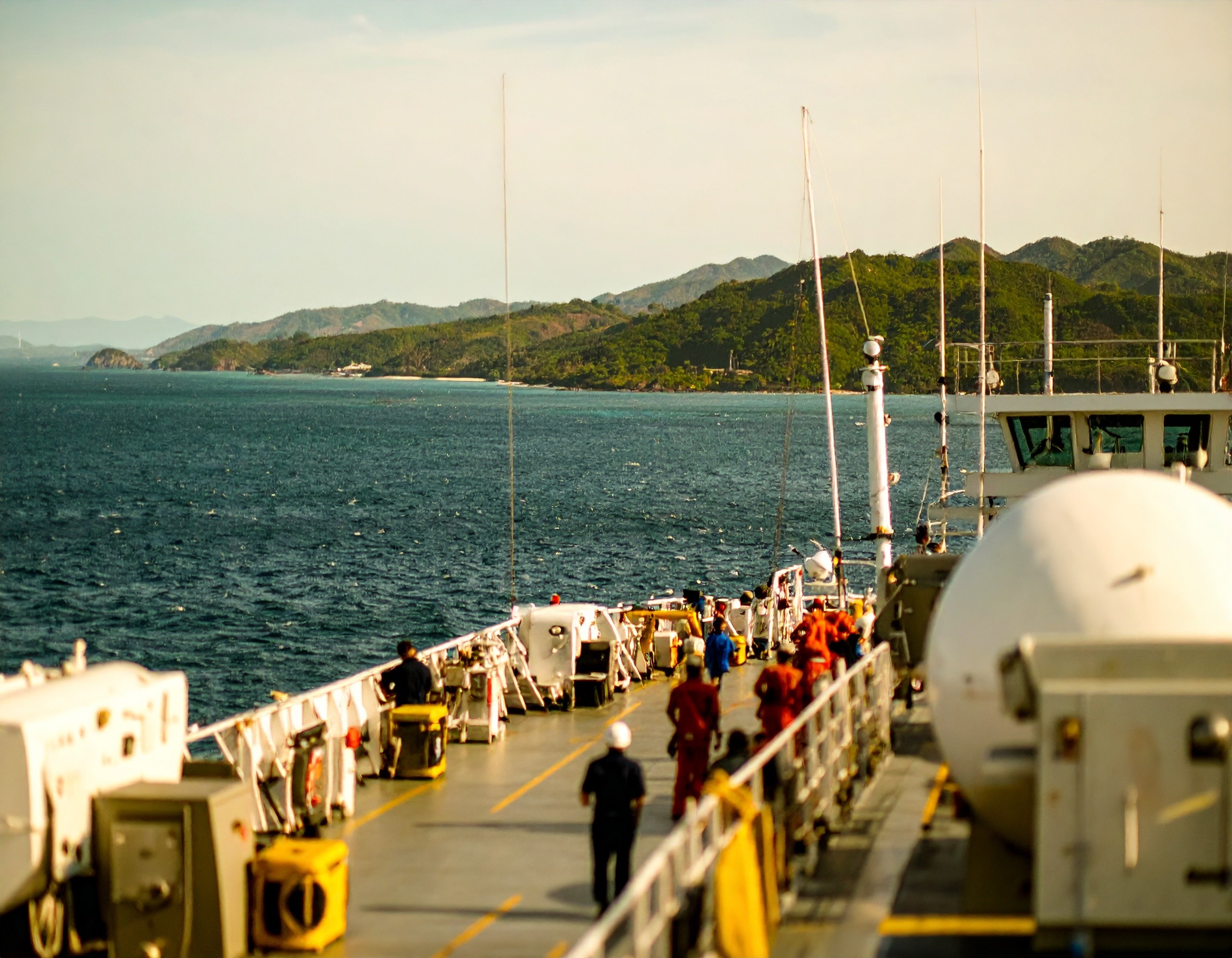
Adapts to different coverage from constant movement and link service across port, coastal, and offshore zones
Hydra AI adapts to mixed operational, safety, passenger, and crew connectivity demands, automatically or with natural human language input
Ruggedized for exposure to harsh maritime elements — weather and variable RF conditions
Provides enterprise level IT management without more crew embarking
Reduces manual link switching during route and coverage changes
Cuts support burden on crews and shoreside technical teams
Keeps reporting, coordination, and onboard services available as links degrade
Replaces fragmented onboard connectivity with one managed operating layer
Scales from a single vessel to a fleet standard
See how Hoplynk can strengthen continuity across your maritime operations.
Contact us to request a private technical overview or discuss pilot deployments.