
[ Public safety ]
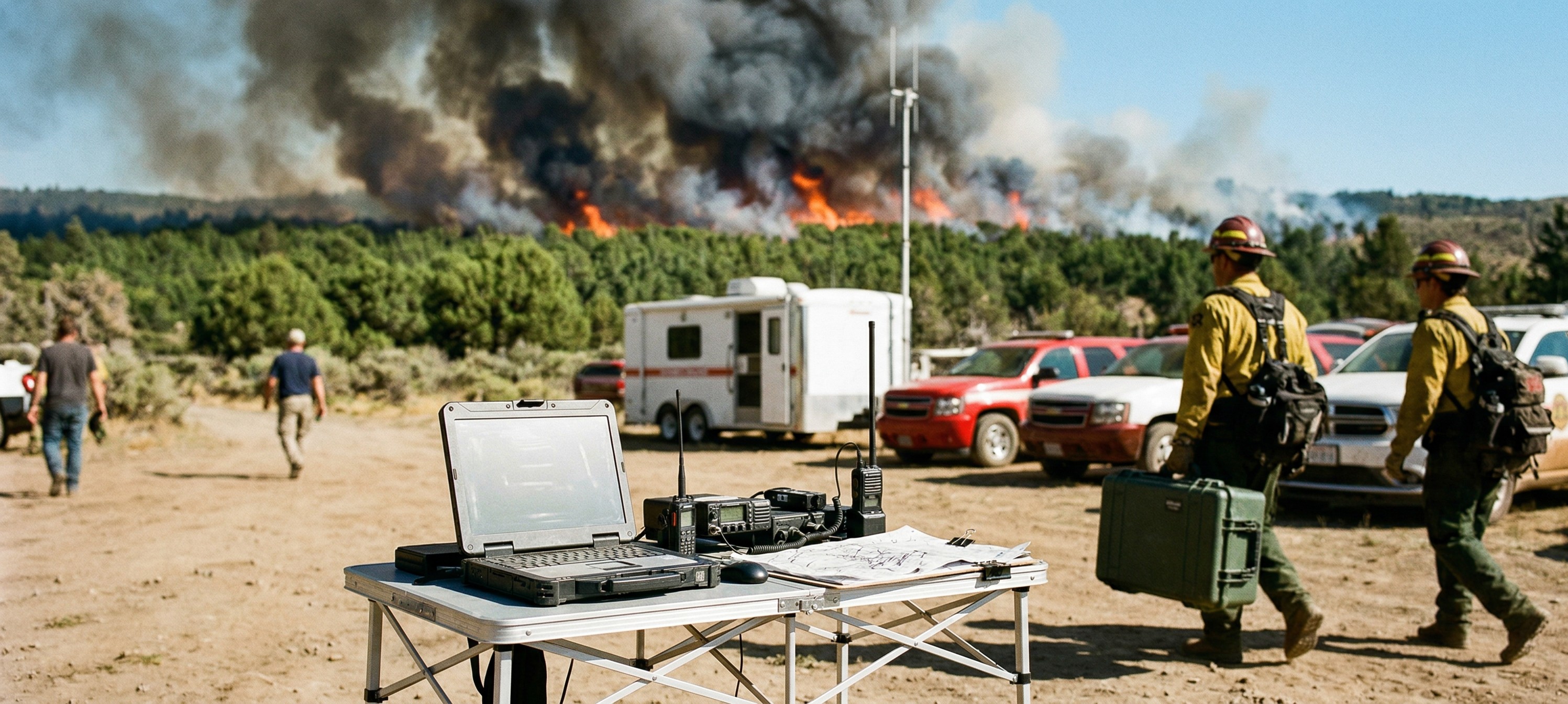
Public safety incidents spill across forests, fire lines, and rural areas where the network is pushed to its coverage limit. Mobile teams send drone crews and patrol vehicles across coverage areas, while mobile dispatch and field sensors must stay connected to keep teams operational and safe.
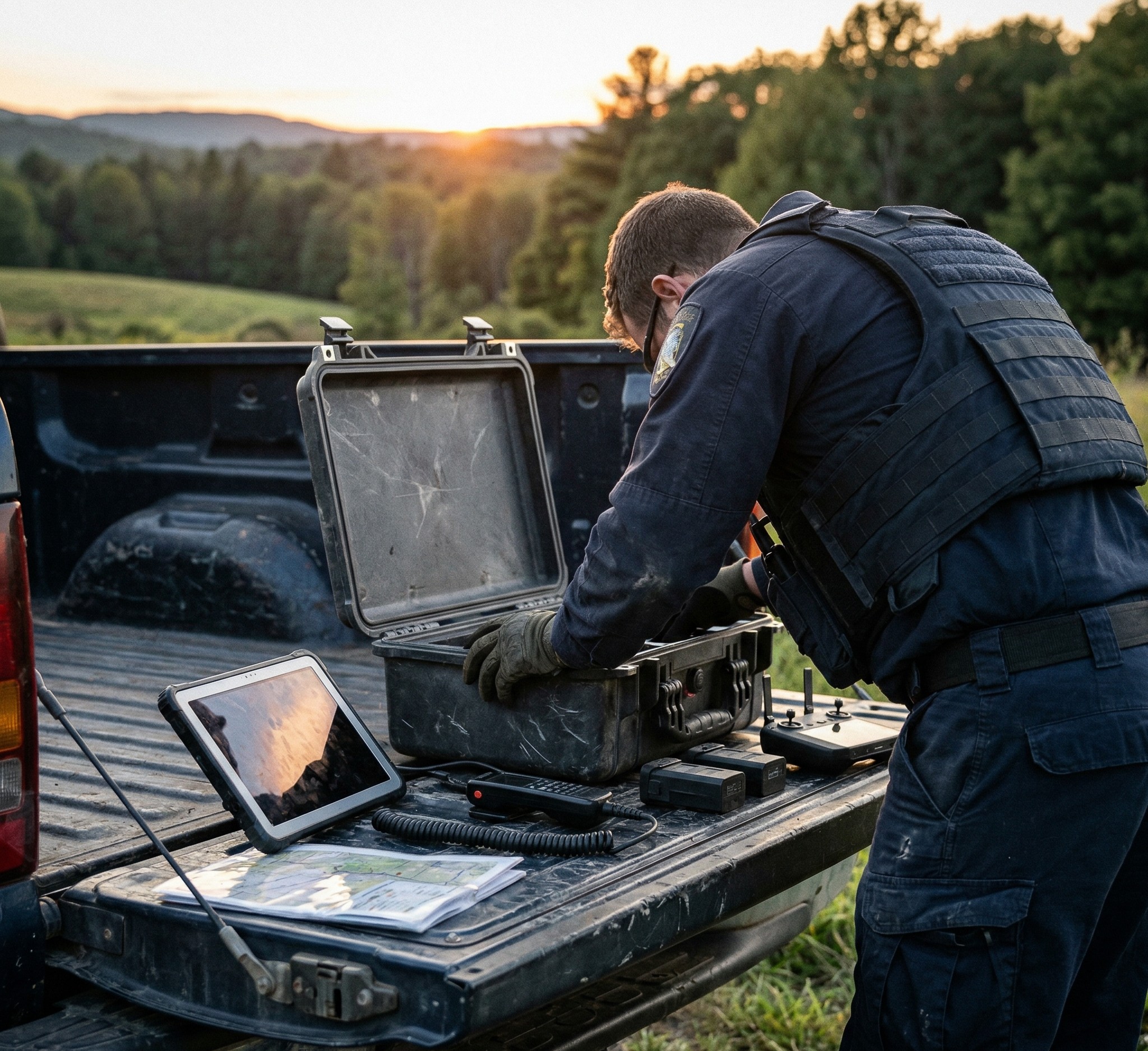
Hoplynk helps public safety teams stay ahead of the network challenges by providing and managing communications. Our devices provide Starlink and Cellular, and take in WiFi or wired access to deliver one resilient, high-throughput connection so critical information can travel to incident command and back. As a pocket sized routing node or a man-portable briefcase, Hoplynk’s devices deploy across vehicles, temporary command posts, or right on the field to support a dynamic public safety response.
Mobility demands generate risky coverage transitions
Drone teams and vehicles move from station broadband or urban LTE into canyons, wilderness, and rural dead zones, while responding personnel change locations in response to evolving situations — in both cases, critical live mission communications are exposed to weak link handoffs and risk session loss.
Improvised backhaul saturates upstream first
Live video, orthomosaic maps, AVL data, and field apps compete on the same uplink at command trailers, brush trucks, and launch points.
Temporary sites inherit weak infrastructure
School lots, fairgrounds, and roadside or field staging areas become command nodes when incidents break out, long before there reliable wired backhaul or hardened Wi-Fi.
Lean communications staffing
The person flying the drone, running mobile dispatch, or managing the scene is forced to become a network technician when the network flares up.
Hoplynk keeps public safety edge systems connected when incidents move faster than the network around them.
Learn how Hoplynk's solutions can work for your team.
Autonomous Network Management
Hoplynk's Hydra AI keeps routing, failover, and transport selection aligned with changing scene conditions so responders do not have to switch links by hand.
Multi-Transport Resilience
Hoplynk's integrated systems work across cellular, satellite, Wi-Fi, and wired backhaul, operating as one incident connection when the fixed network is damaged, overloaded, or too far away, adapting with mesh radio to form a dynamic backhaul route.
Incident Network Visibility
Hoplynk's Argus dashboard shows link health, node status, and policy state across vehicles, kits, and nodes from one control view, enabling incident command to coordinate network and incident response with maximal oversight.
Temporary Site Turn-Up
Portable and vehicle-based nodes can bring a command post, backup dispatch position, or remote search base online quickly with minimal setup by anyone who can just press the power button on the kit.
Predictive Reliability
Hydra shifts video, mapping, and telemetry flows before a weak sector or failing uplink turns into lost feeds or broken field visibility, ensuring the most critical traffic remains uninterrupted.
Solutions For Your Team
See how Hoplynk can help solve your unique communications challenges.
Drone Overwatch
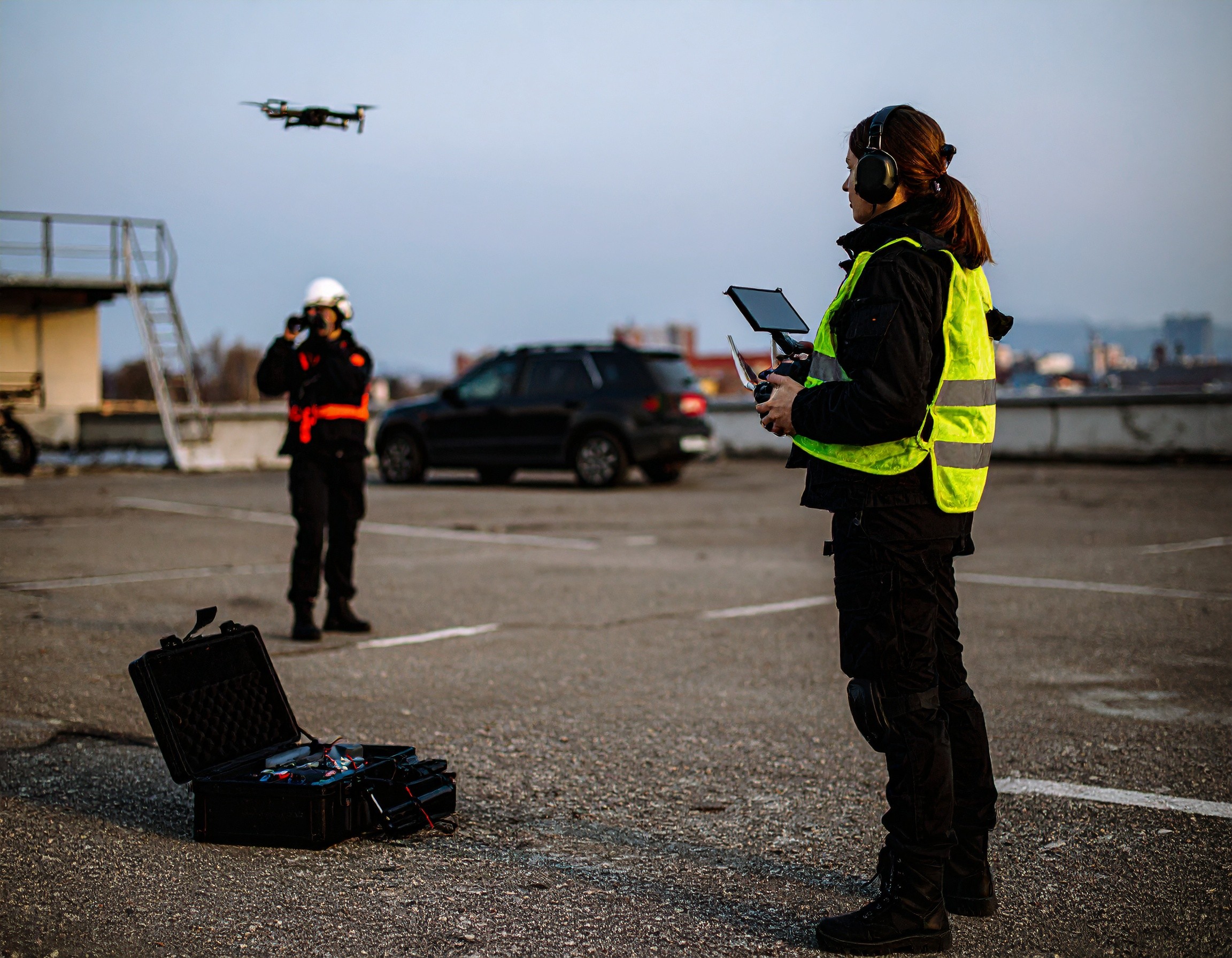
Live video, thermal imagery, and mapping often originate from rooftops, parking lots, or rural launch points where uplink are thin at best and volatile at worst. Hoplynk preserves the feed back to command without constant manual link changes.
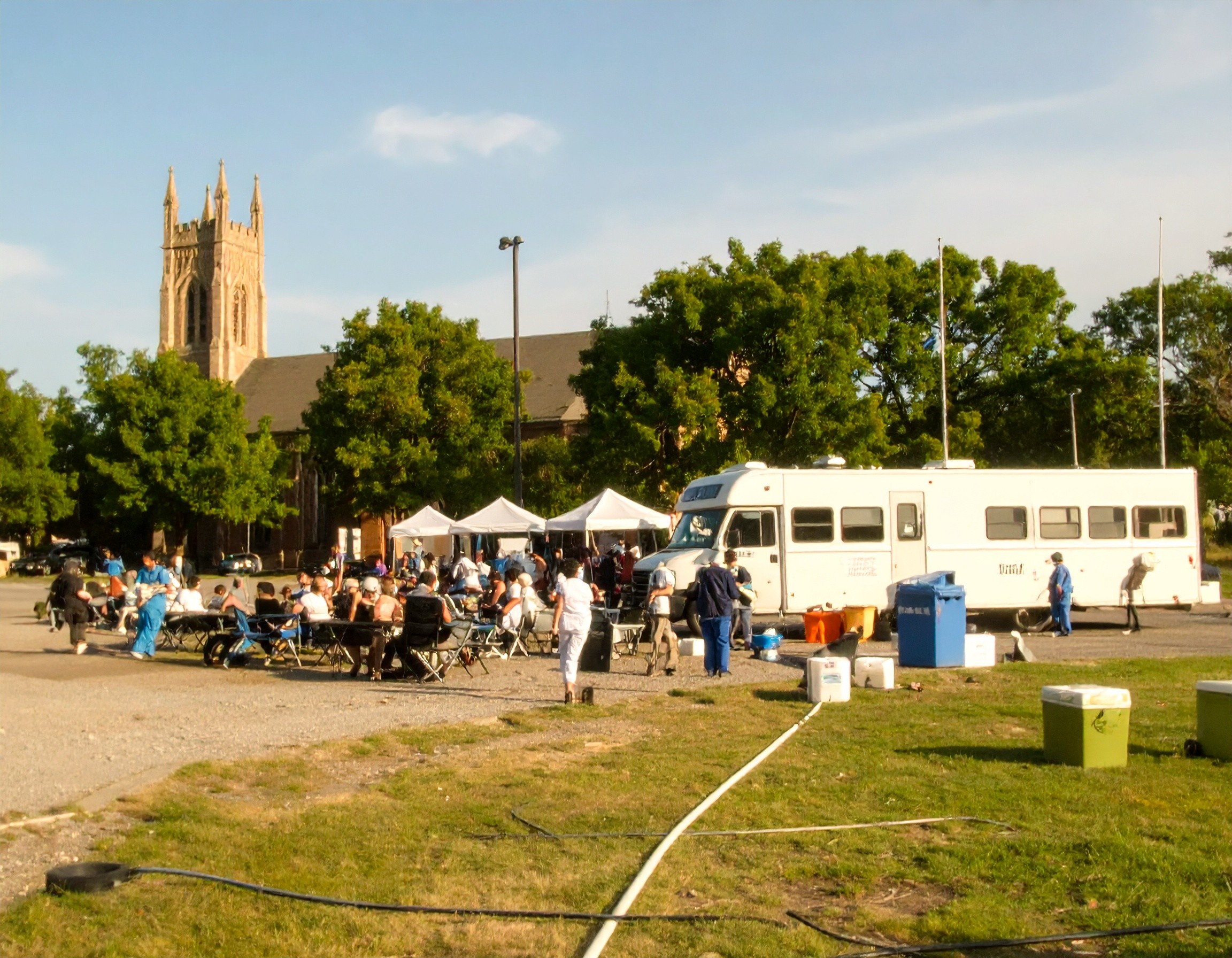
Pop-Up Command Posts
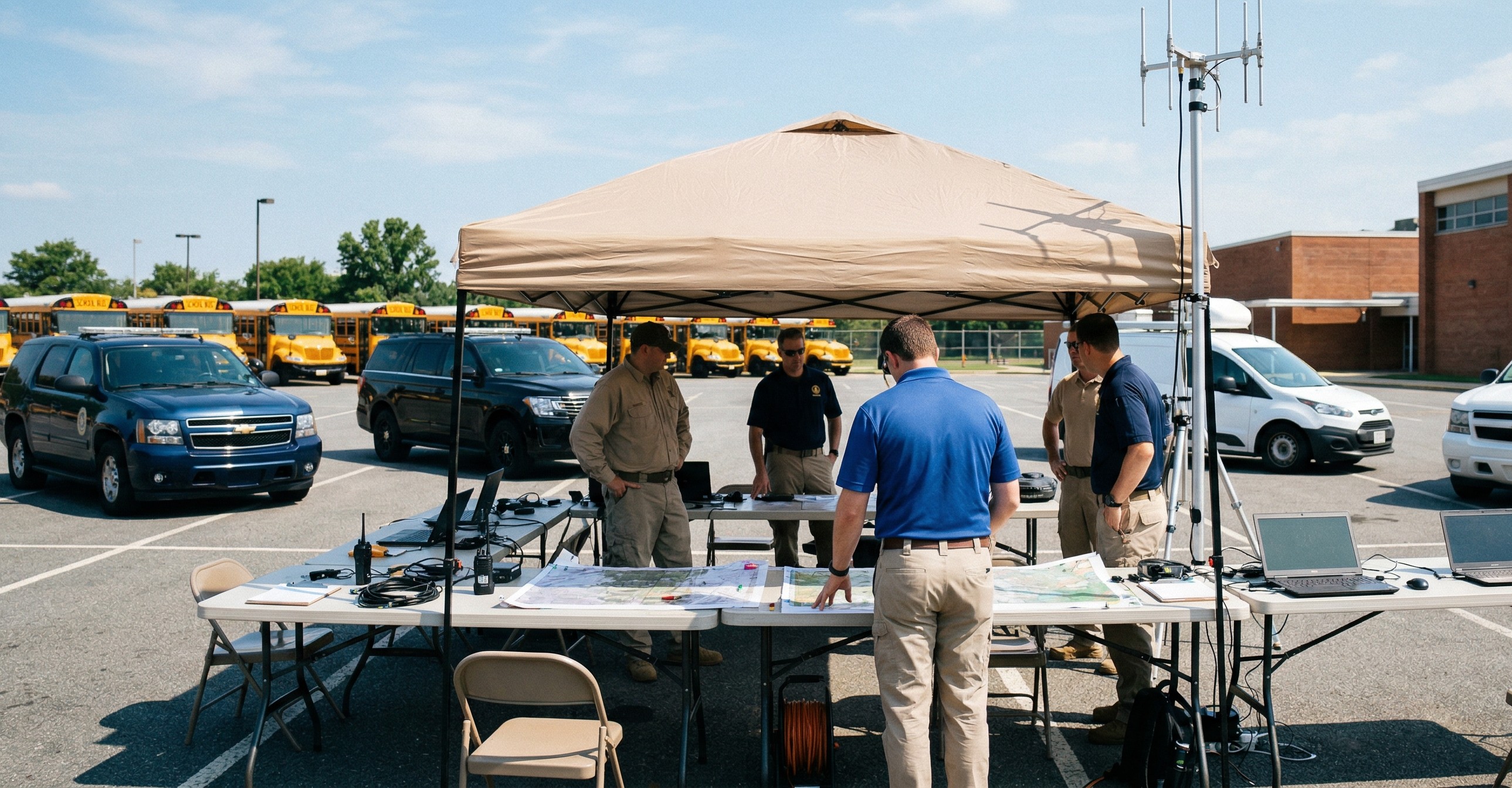
Bring up a managed network for operations, planning, and mutual-aid coordination at fairgrounds, schools, roadside staging areas, and fire camps to become command locations right when an incident breaks out, enabling a rapid and coordinated response.
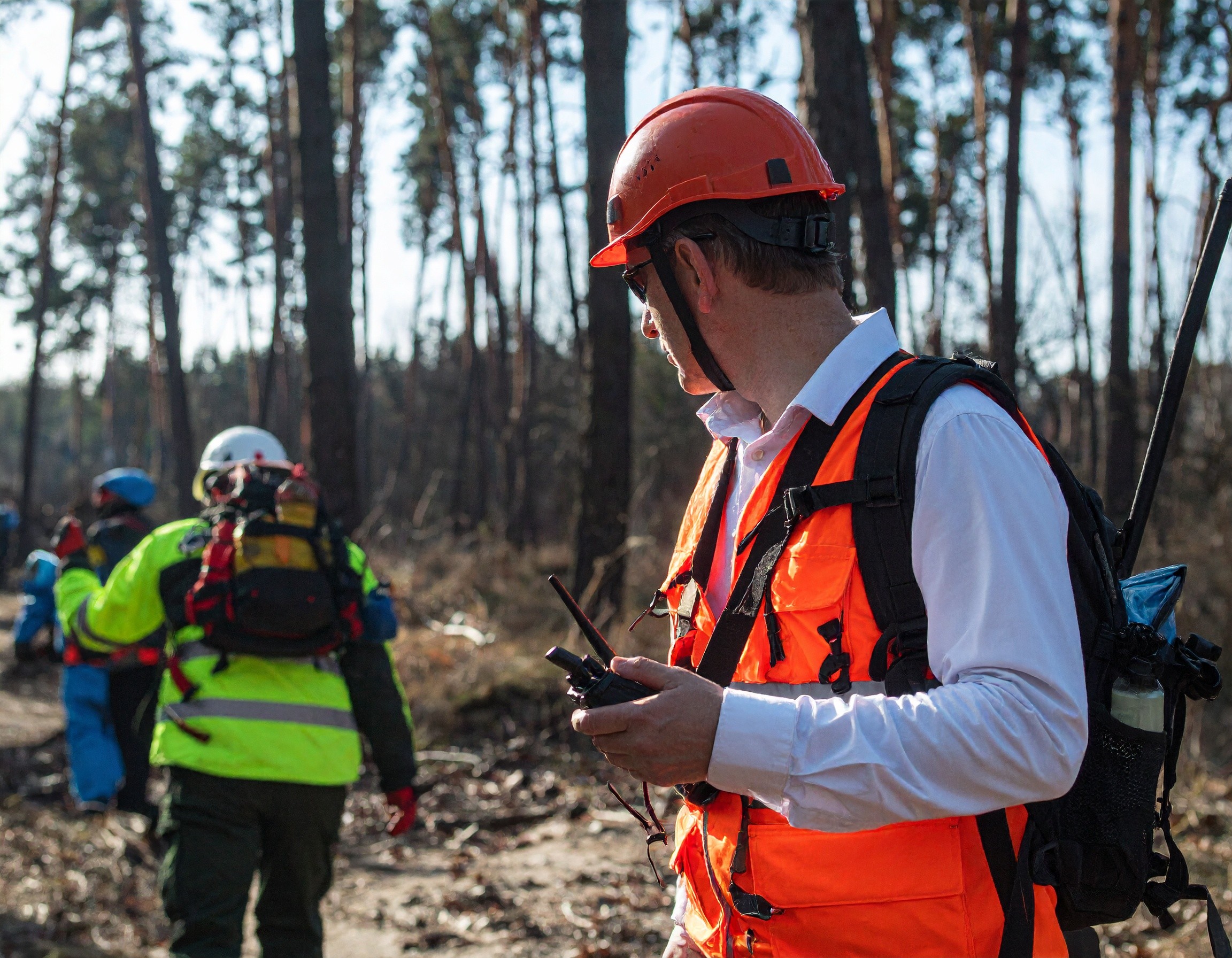
Search Line Reachback
Keep wilderness and disaster response teams tied into the incident network from trailhead to dead zone as they move beyond ordinary coverage, powered by Hoplynk’s ruggedized devices, updating incident command all throughout.
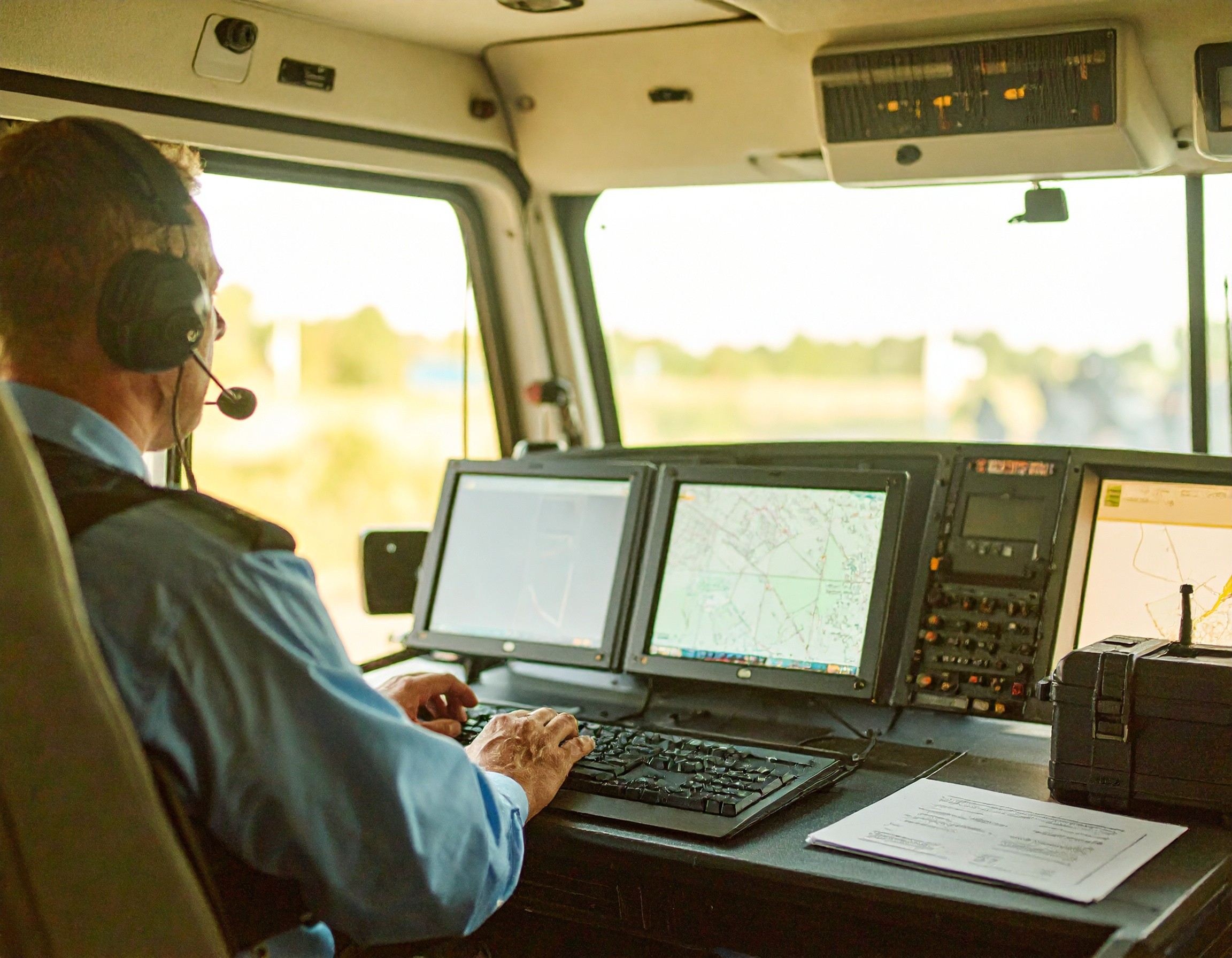
Backup Dispatch Continuity
When a PSAP, mobile dispatch desk, or field command vehicle needs alternate connectivity, Hoplynk gives operators a fast secondary path for call coordination, CAD access, and agency-to-agency traffic.
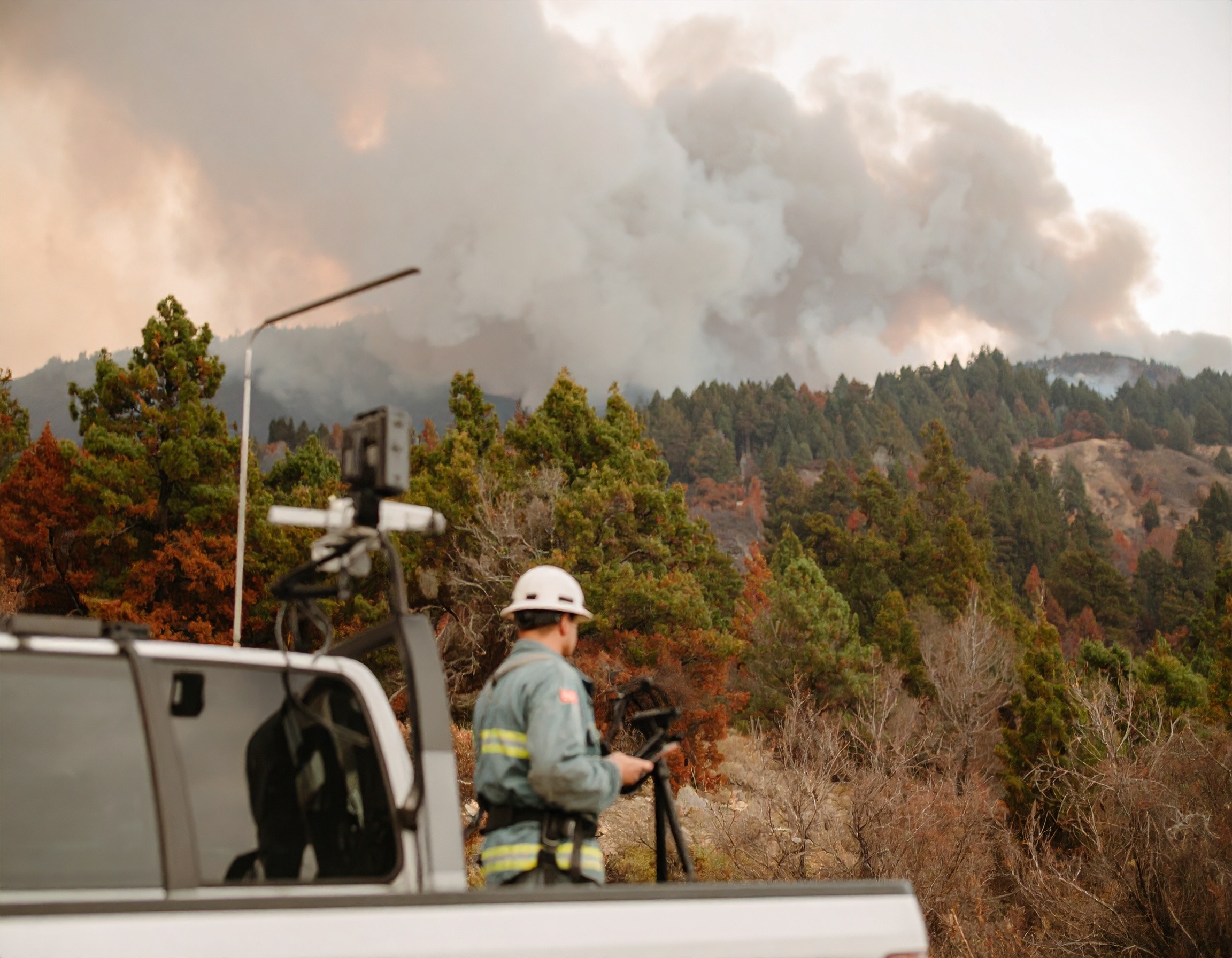
Wildfire Edge Sensing
Perimeter cameras, crew trackers, aircraft-derived mapping, and temporary relay points create a moving data footprint across sparse coverage. Hoplynk keeps those edge feeds delivering crucial data even as the fire line and command geometry shift.
Explore Other Industries
Learn how Hoplynk serves other industries at the Autonomous Edge
Solutions range from pocket-sized to backpack sized, using low power, running for hours on battery, and enabling rapid setup support for any location changes
Can be carried on person, mounted on a vehicle, or staged on the ground as a temporary node to follow public safety incidents
Supports heavy upstream demands from video, mapping, and location data
Enables rapid response teams without dedicated IT engineers at every scene
Enables continuous response with fewer dropped feeds during coverage transitions and congestion
Less manual failover and less time spent moving modems or re-working links
Faster setup for new command locations, search bases, and backup dispatch positions
Better centralized visibility and safety across vehicles, portable nodes, and remote sites
Easier scaling from a single incident package to a multi-scene program as incidents dynamically evolve
See how Hoplynk can stabilize public safety communications at the network edge.
Contact us to request a private technical overview or discuss pilot deployments.